Home Blog Page 82

CBD is ‘safe’ for retail, says Health Canada

CBD is “safe and tolerable” in healthy adults and should be available without a prescription, a Health Canada advisory committee recommended Thursday.

This recommendation comes three years after Health Canada first appointed a team of experts to examine whether CBD could be sold by mainstream stores, and not limited to adult or prescription cannabis stores. a doctor as is currently the case.

Experts have concluded that CBD is “safe and tolerable for short-term use (a maximum of 30 days) at doses ranging from 20 milligrams per day to a maximum dose of 200 mg/day.”

The expert panel noted “the desire of Canadians to have access to health products containing cannabis without the oversight of a practitioner (such as a doctor or nurse practitioner)”, but also requested that CBD base carry warning labels.

“If a person took up to the maximum dose of 200 mg/day, the maximum amount of THC absorbed into the blood and reaching the brain would potentially be too low to cause appreciable psychotropic effects in most people,” they said. concluded.

Health Canada will make the final decision on whether CBD can be sold at consumer outlets. However, the organization does not have a deadline to follow up.

The recommendation could open up a huge new market for CBD. Authorized Canadian producers have today concentrated in the vast majority of cases on the production of THC varieties intended for historical consumers, without however offering real offers to those who prefer more balanced and less powerful varieties or all the diversity “wellness” CBD products.

A few brands such as De La Ferme or After the rain have already preempted this niche in Quebec and offer products with low THC doses via the SQDC.

United States: The “DANK Cannabis Research” bill tabled in Congress

Congressional lawmakers on Wednesday introduced a bill to establish a federal cannabis research program and allow universities to conduct cannabis studies with federal grants.

The text is titled Developing and Nationalizing Key Cannabis Research Act (Law on the development and nationalization of research on cannabis) with the first 4 evocative initials (DANK which is used to designate powerful, sticky and well-structured weeds), without it being known whether this was intentional or nope.

Either way, measurement requires National Institutes on Health (NIH) that they collaborate with other agencies, including Centers for Disease Control and Prevention (CDC) and the Substance Abuse and Mental Health Services Administration (SAMHSA), to develop “a national cannabis research agenda that addresses key questions and evidence gaps.”

This program should include six main research objectives. For example, agencies should prioritize studies on the safety and efficacy of cannabis in treating multiple diseases such as epilepsy, multiple sclerosis, chemotherapy-related pain and nausea, and cancer. use of cannabis as an alternative to opioids.

Other items on the agenda include research on the effects of cannabis on “at-risk populations” such as children and pregnant women, the “non-therapeutic effects” of cannabis, the relationship between cannabis use and behavioral health, “clinically appropriate cannabis dosages and modes of administration,” and other public safety considerations related to potency, youth access, and abuse.

The tabling of this new legislation comes the same week the U.S. House of Representatives separately voted to approve another bipartisan cannabis research bill that also aims to speed up and simplify the process of obtaining necessary permissions. This measure, which would not allow researchers to study cannabis from dispensaries unlike the DANK Act, should be quickly taken up by the Senate before possibly being sent to President Joe Biden’s desk.

BIC or Clipper, what are the differences?

If BIC seems to be an unbeatable lighter manufacturer, Clipper remains its main global competitor. Zoom on these two brands and the differences between their so popular lighters.

The BIC vs. Clipper War

On one side of the ring: BIC is a French company born in the post-war period in 1945. First specializing in pens, it has diversified by offering disposable lighters. The brand quickly became known throughout the world and its success never ceased.

On the other side, Flamagas, a Spanish company existing since 1972 and recognized for its lawn mowers. It in turn diversified into making disposable lighters, better known as Clippers. Contrary to popular belief, these are the very first refillable lighters in the world.

For several years, the war between BIC has been the Clipper lighters is palpable, even if BIC remains largely in the lead in sales. Flamagas remains the pioneer of the disposable lighter even if its products are recharged. BIC simply launched the same type of product with greater communication and design.

The difference between BIC and Clippers lighters

Clippers lighters are known for their durability, thanks to minimal gas consumption. But what makes it famous is that it is almost infinitely rechargeable. In addition, very robust, it does not get damaged if it falls on the ground unlike other lighters that explode.

For their part, the BIC lighters have an original design, sometimes in limited series and are offered at an unbeatable price. Their flame is adjustable and they are now available in mini, classic and maxi versions. There is even a special series for women, with a more feminine design and colors.

Both brands of lighters are secure, meet specific specifications and current safety standards. They are also easy to use and have a safety feature so that children cannot use them.

Comment About BIC or Clipper, what are the differences? Below ..

Quick Hit July 2022: what we have missed in recent weeks

Regular Newsweed consumers will have noticed that we have been on hiatus for the past 2 weeks. Spoiler: the same thing will happen in August. But since the news does not await us, here is a recap of what has happened in the meantime on the planet Cannabis.

France

The Union of CBD Professionals (UPCBD) positions itself against the marketing of HHC, because of the impossibility “of certifying consumption without danger for users, especially since the composition and traceability of the products that contain it contain appear unverifiable”.

Europe

The very first meeting of European countries in the process of legalizing cannabis was held in Luxembourg and at the initiative of the Grand Duchy. Germany, Luxembourg, Malta and the Netherlands discussed legalization and regulation at this historic joint meeting. Bruno Lemaire, François Braun and Gérald Darmanin were not invited. Amazing, right?

Shortly after this meeting, the mayor of Brussels and vice-president of the Belgian PS said he was in favor of the legalization of cannabis: “Criminalizing it puts part of our youth in the hands of criminal networks”.

For her part, British Home Secretary Priti Patel wants to confiscate their passports and driving licenses from drug users as part of a new government crackdown. She said the move shows the government is “cracking down on drug use” which is “a scourge on society”. Gerald, is that you?

In Ireland, a High Court challenge could allow the island to lift a blanket ban on CBD products by October.

Big losses and disappointments for the investors of JuicyFields, which promised regular remuneration in exchange for a financial participation in the cultivation of hemp for CBD or medical cannabis. To the best of our understanding, it would appear that after the German Federal Financial Supervisory Authority banned anyone in Germany from investing in the platform in early June, the company failed to produce the necessary supporting documentation, and that ‘a strike was announced internally, the founders left with the fund and disappeared into thin air, leaving all of the crowdgrowers.

UNITED STATES

The US Congress appears ready to send the first-ever cannabis bill to Joe Biden’s desk. The House of Representatives and the Senate have collaborated on a cannabis research bill that lawmakers are expected to vote on this week. It is a combination of research bills that have already been passed by both houses.

The President’s daughter-in-law was seen leaving a cannabis dispensary in Malibu, California, escorted by a Secret Service agent. The title of the article could have been “A woman buys a legal product” but it was less sales.

Rest of the world

UN experts have called for ending the “war on drugs” and promoting policies based on human rights.

Philippine Senator Robinhood Padilla wants to legalize medical cannabis as an “alternative means of medical treatment” in a country that is more than hostile to the plant. Under the bill, cannabis, which refers to products such as capsules and oil, not raw cannabis, could be used for “incapacitating medical conditions” of “qualified patients”.

For its part, Indonesia has so far refused calls to legalize medical cannabis. Nevertheless, “the Constitutional Court has only transferred the responsibility to the government by asking it to immediately carry out investigations”.

Cookies will open a store in Thailand next August and will not only sell clothes there following the quasi-official legalization of cannabis in the country.

Research

Hemp essential oil (EO) could serve as a natural pesticide “because of its environmentally friendly cultivation, its many end products that can be obtained beyond EO (fibers, foods, etc.), its interesting mechanisms of action, as well as the renewed interest and recent regulations allowing and facilitating its large-scale cultivation. »

An interesting study looked closely at the levels of endocannabinoids circulating in our bodies in light of alcohol consumption. It would seem that “alcohol reduces the levels of AEA (anandamide) with increasing exposure”. Maybe that’s why cannabis is sometimes used in alcohol addiction to restore natural endocannabinoid levels?

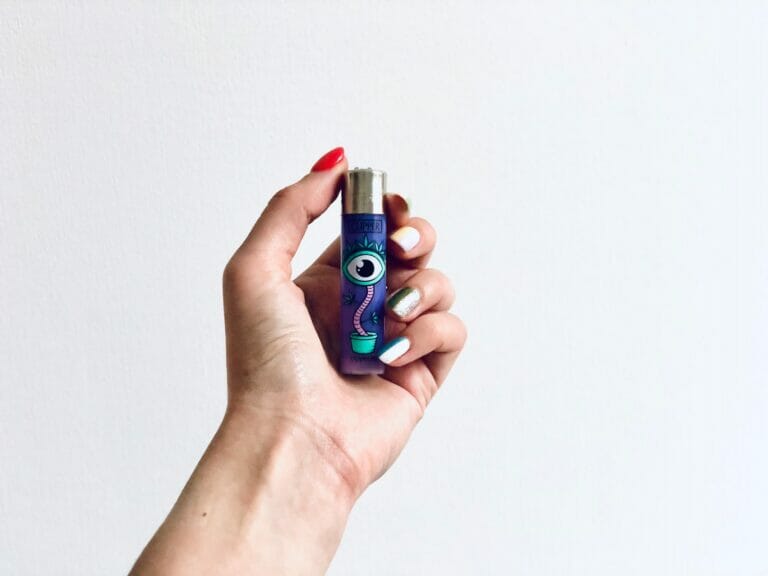
Zippo celebrates its 90th anniversary

10 years to go until the 100 year jubilee! But for now, Zippo is celebrating its 90th anniversary, an opportunity to offer new limited edition products, but also an incredible offer. Zoom on the little Zippo birthday party to which all customers are invited!

Zippo’s 90th birthday: let’s celebrate!

There is no need to introduce the famous American brand of lighters again. Having distinguished itself from its competitors by its inimitable noise, which is the subject of a registered trademark, and its various partnerships with major personalities or brands, Zippo is a worldwide success.

In 2022, Zippo celebrates its 90 years of success with a small birthday party where all customers, whether loyal or new, are invited. To participate, we don’t have to move since it takes the form of an exclusive offer. Indeed, it is not Zippo who receives gifts for his birthday, but you!

Two limited-edition collectible lighters

Two Zippo models for the 2022 edition are available for purchase. All clad in polished chrome, the former proudly displays the age of the brand as well as the red flame symbol and logo of Zippo. The second immortalizes a particular event, since on June 3, the 600 millionth zippo lighter came out of manufacturing plants in the United States. To mark the occasion, George Duke, the current big boss from the 3rd family generation, wanted to create a limited edition. This 600 million storm lighter is designed in polished chrome and the 360° laser engraving reveals grid patterns. This limited edition was released in only 20,000 copies worldwide.

For the occasion, Zippo offers you 50% off the 600 million lighter for any purchase of a 90-year-old lighter. To take advantage of this offer, simply put your 90-year-old lighter in the basket, then add the 600 million lighter. Don’t forget to use the code PARTY90 when confirming your order. The discount will be applied automatically at the time of payment.

Comment About Zippo turns 90 Below ..

Puffs: fad, environmental impacts

New fashion among young people, puffs are of concern both for their impact on the health of teenagers and on the environment. Decryption.

The Puffs, what are they?

Puffs are disposable candy flavored electronic cigarettes. Practical, accessible and above all pleasantly scented, they are extremely popular with young people. A real fashion phenomenon in college and high school courses, this version of disposable e-cig is a huge success.

They have existed since 2019 on the new continent. Since then, it must be said that the marketing around the product has been cleverly thought out. Flashy colors, aromas of fruit and sugar, it was enough to seduce the consumer. It is thanks to social networks that it has become popular in France, but it is above all its low price that has made it famous.

Too young an audience and an ecological disaster

Although it is normally forbidden to sell smoking products to minors, puffs are easily available at a tobacconist, some supermarkets and even on the internet. Young people are a public at risk since the puffs contain mainly nicotine and therefore lead to a certain dependence.

On the other hand, in addition to the young audience targeted, what worries the authorities just as much is none other than the pollution generated by these famous Puffs. These small electronic cigarettes must be thrown away in the recycling center, in containers for used batteries or electronic waste. However, teenagers, the majority of users, do not take the trouble to respect the sorting instructions by throwing their disposable electronic cigarette in the trash, or even in nature.

In addition to being a major source of “new waste”, the magazine 60 million consumers is concerned about this additional pollution. At a time when ecology and global warming are no longer a myth, it is important to respect the sorting instructions for disposable accessories and devices. For now, the magazine only alerts to the facts. If you are a Puffs user, be sure to dispose of your e-cig in the dedicated receptacles.

Comment About Puffs: fad, environmental impacts Below ..

Bosnia and Herzegovina on track to allow medical cannabis

The Bosnian government is very interested in the legalization of medical cannabis. In order for the use of cannabis for medical purposes to finally be legalized in Bosnia and Herzegovina, it is no longer enough for the Commission for the Suppression of Narcotic Abuse to submit a proposal to the Council of Ministers, which will take a simple decision during his session tells us the Sarajevo Times.

The preliminary work having already been initiated, it is now up to the Ministers of State and the current government to take the decision to legalize. The Commission for the repression of the abuse of narcotics should be held this week.

Bosnia and Herzegovina’s Ministry of Security decided to move forward following reports from the International Narcotics Control Board (INCB) that the United Nations Commission on Narcotic Drugs had removed cannabis from the list of prohibited substances .

The Bosnian law on the prevention and suppression of drug abuse having been adopted, among other things, because of the implementation of the international conventions on narcotics, it should logically evolve. Previously, the Commission formed a working group which drafted a proposal to amend the law. The opinions of various ministries have been collected and will also be examined during the session of the Commission.

The legalization of medical cannabis does not imply new laws in Bosnia. Cannabis must “just” be moved from the Schedule 1 list to Schedule 2, which means that it will no longer be a “prohibited substance and plant” but a “strictly controlled substance and plant”, as are already many drugs used for medical purposes.

California is working to standardize cannabis testing methods

California cannabis regulators are currently seeking comments on proposed rules to standardize cannabis testing methods in the state — an effort that officials hope will prevent cannabis companies from “shopping cannabis.” lab” to find facilities that are more likely to show higher THC concentrations that they can then tout for their products.

Although there are already statewide rules that require cannabis products to be tested for cannabinoid content and possible contaminants, licensed testing labs do not have a uniform methodology, which means that the results of the analyzes of the same sample of cannabis can vary from one establishment to another.

Due to consumer demand for products high in THC, the State says it is aware of instances where some cannabis companies are scouring labs to find those whose testing methodology tends to produce results showing a higher amount of THC.

To address this issue, the California Department of Cannabis Control (DCC) announced on Friday that it was launching a regulatory process to develop standardized testing methods that every licensed laboratory should adopt.

“One of the challenges we face in regulating an industry that is not federally recognized is the lack of standardized and validated test methods,” Nicole Elliott, director of the DCC, said in a press release. hurry.

“Accredited laboratories use different methods that can produce inconsistent results and inaccurate data on the cannabinoid content of cannabis. The CDC is working to change that so that there is greater integrity in the marketplace, accurate information for consumers, and trust among stakeholders. »

The CDC will accept public comments on the draft Cannabis Testing Methods Regulations until August 2.

“These standards build on existing standards for testing laboratories by requiring that they use only CDC-designated cannabinoid testing methods,” Elliott said. “The ultimate goal is to protect public health and safety by providing consumers with accurate and consistent information about the cannabis they purchase. »

In Arkansas, recreational cannabis could be in the November 2022 ballot

Voters in Arkansas are set to see a cannabis legalization initiative on their ballots next November, with activists turning in more than double the signatures required to qualify the measure on Friday.

Responsible Growth Arkansas submitted just over 190,000 signatures in support of an amendment that would allow adults 21 and older to purchase and possess up to one ounce (28 grams) of cannabis from licensed retailers.

They only needed 89,151 valid signatures to qualify the amendment for the vote.

The state has approximately two weeks to verify the signatures. In the event that the campaign does not meet its goal, but has at least 75% of valid signatures, it will be given an additional 30 days to make up the difference.

Responsible Growth Arkansas is just one of many campaigns to secure cannabis reform through this year’s ballot, although supporters of the competing initiatives have since acknowledged they will not be able to garner enough signatures to to qualify.

Their draft amendment contains the following provisions:

  • Adults 21 and older could buy and possess up to one ounce of cannabis from licensed retailers
  • Home cultivation would not be allowed
  • The Alcoholic Beverage Control (ABC) Division of the Department of Finance and State Administration would be responsible for regulating the program and issuing licenses for cannabis businesses
  • Existing medical cannabis dispensaries could also serve adult consumers. They will also be allowed to open another retail outlet for the sale of recreational cannabis only. A lottery scheme would license an additional 40 adult-use retailers
  • The state could impose up to 10% additional tax on recreational cannabis sales, in addition to existing local and state sales tax.
  • Tax revenue would be split between law enforcement (15%), the University of Arkansas for Medical Sciences (10%) and the state’s drug court program (5%). The rest of the revenue would go to the general state fund
  • Legislative Body Couldn’t Repeal or Amend Medical Cannabis Laws Without Voter Approval

CBD anti-stress chocolate: our opinion

Chocolate + CBD: a winning combination to get rid of stress

Chocolate is the indulgence of many gourmets. But what about CBD chocolate? What beneficial effects does the combination of chocolate and cannabidiol provide? Stay with us to find out.

When food takes its place in the world of cannabis

The most well-known and increasingly popular French CBD products generally come in the form of oil, herbal tea, capsules. But CBD food products are also beginning to make themselves known and to cause an indisputable craze. With the design of sweets, cakes, beverages, honey, manufacturers compete in imagination to create compositions all more original and exotic than each other. Chocolate – and dark chocolate in particular – is no exception and has become one of the most popular foods in the cannabis world.

Chocolate and French CBD: a successful combination

Regular consumption of dark chocolate with 70% or more cocoa is known to tangibly improve mood and fight against stress and depression. If we add to this delicious treat the therapeutic virtues of CBD, the results in terms of health and well-being are impressive. CBD, short for cannabidiol, is one of the most important recognized components of the cannabis plant. Like chocolate, it has the power to relieve certain ailments, without any high effects, such as sleep problems, mood instability, fatigue, inflammatory and chronic pain, stress-related disorders and anxiety.

Attributes of Chocolate + Attributes of CBD = One Wellness Formula

When you combine chocolate with non-psychotropic cannabinoids, you can’t wish for a better alliance to do yourself good, both physically and mentally. Their effects are close, mutually reinforcing, to lead the user to moments of relaxation to help prevent stress, anxiety or rumination.

Hemp seeds are packed with minerals, vitamins, plant proteins, fiber and amino acids. CBD is also rich in essential fatty acids (omega-3, omega-6 and omega-9). Chocolate, on the other hand, provides a good dose of magnesium, potassium, iron, antioxidants and, like hemp, amino acids. Once absorbed by the body, amino acids are converted into serotonin, considered the feel-good hormone. Cocoa powder further promotes the release of endorphin, a hormone that plays a role in stabilizing mood.

The strong and bitter taste of cannabidiol softened by chocolate

CBD chocolate differs significantly from regular chocolate when it comes to its taste. Since the flavor of cannabidiol is strong and bitter, it may bother some consumers. Among the other benefits of CBD chocolate, it can be argued that the chocolate lessens the strength and bitterness of cannabis while adding a pleasant flavor to it. Opting for CBD chocolate is therefore an effective way to enjoy the benefits of the product without the disadvantages.