Cooking with marijuana is fun and gives you an amazing high. However, it can be dangerous if not done carefully. We have repeated on many occasions that the effects of consumed marijuana are greater than those of smoked marijuana. In addition, it takes longer to bequeath. Therefore, we always recommend eating a little and, if the effects are low, eating more. It is normal that, when you decide to create food with marijuana, you have some doubts. So we are going to give you some tips and tricks to make the experience beastly and safe. Let’s go there!
Cooking with marijuana: mind-blowing experience
If you have consumed the typical marijuana brownies or cookies, surely you already know that the experience is brutal. After this, many people decide to start cooking with marijuana themselves. Therefore, we leave you some tricks so that you can succeed in your first recipe with cannabis.
Get the most out of marijuana. The first thing you should know is that THC is responsible for causing you psychoactive effects. For this to take effect when cooked, it has to be mixed with some fat and heated. This can be oil, butter, cream … That is why all the recipes use one of these ingredients. Fat can absorb up to 80% of THC. However, if you decide to mix it with water, it won’t absorb more than 40%.
Be careful with the temperature. In many of the posts we publish about cooking with marijuana we advise that the temperature is not too high. If it exceeds 160 degrees, it is likely that you will lose part of the essential cannabinoids and, therefore, part of their effect.
How much quantity are we going to use. It is important to be careful with the amounts, we are not going to spend them. It is advisable to use half a gram of marijuana in bud for each person. Although if you consider that the marijuana you have is very powerful, it is better that you use a little less. In the event that you have made marijuana butter, our advice is to add less marijuana to the recipe. This should not be the same as if we cook with normal marijuana.
Time to take effect. We have explained on several occasions that cannabis taken by mouth takes longer to work than when it is smoked. Therefore, we must be patient and wait at least an hour after we have consumed it. When we notice the effect, if we consider that it is not enough, we can eat something else.
In our cannabis recipes section we have left a large number of really delicious recipes with which you will succeed with colleagues. But always with caution and wanting to have fun!
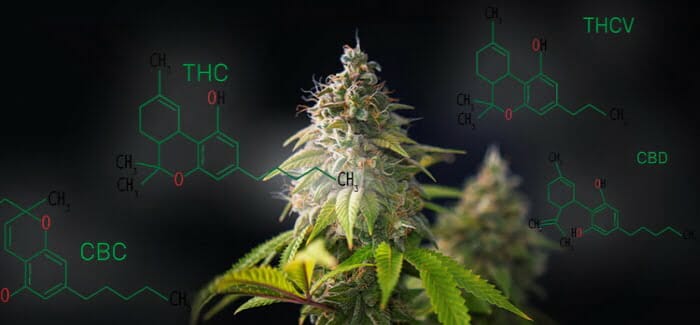
The marijuana compound CBD, or cannabinol, is gaining popularity in the health food community due to its purported health benefits, without the proper levels usually associated with narcotic marijuana. But new research suggests that the main active ingredient in marijuana, THC (tetrahydrocannabinol) – the one that gives consumers the same narcotic effect – may be more responsible for the plant’s therapeutic effects.
Researchers looked at data from over 3,000 people who have tried marijuana to relieve symptoms. All of these participants tracked marijuana use using an app on their smartphones.
THC vs CBD
The study found that higher THC levels were closely associated with symptom relief. In contrast, CBD levels were not associated with symptom relief.
“Despite the general consensus that only CBD has medical benefits, while THC just delivers the buzz, the results indicate that THC may be more important and powerful than CBD for therapeutic benefits,” study co-author Jacob Miguel Vigil. Associate Professor of Psychology at the University of New Mexico (UNM), said in a statement.
The study was published Feb.25 in Scientific Reports. It was funded by the University of New Mexico Cannabis Medical Research Foundation, which receives donations from the public and the cannabis industry. Three of the study’s authors work for MoreBetter Ltd., which makes a tracking application for the cannabis they use in their study.
THC vs CBD
The researchers noted that there were several limitations – for example, the data were self-reported and the study lacked a control group that did not use cannabis. Users may also experience a placebo effect in which they expect certain foods (such as foods with higher THC content, which tend to cost more) to perform better and more efficiently.
However, this study is one of the first to study in real time which properties of marijuana are associated with the claimed benefits. Given the growing popularity of medical cannabis, researchers are calling for more research to better guide patients about the dosage, efficacy, and safety of marijuana-based medical products.
Since marijuana is still banned at the federal level in the US, real-time research on the effects of medical cannabis is limited.
THC vs CBD
In the new study, researchers used data from the Releaf app, which aims to help people track marijuana use and find out which types of marijuana are best for their symptoms. The app prompted users for information such as the marijuana strain and levels of both THC and CBD.
Participants reportedly took marijuana for a range of symptoms, including depression, anxiety, insomnia, stress, fatigue, and back pain. Participants reported the severity of their symptoms on a scale of 0 (no symptoms) to 10 (severe symptoms) before using marijuana and then again within 90 minutes after taking the drug.
On average, participants experienced a 3.5 point reduction in symptom severity on an 11-point scale.
Of all the reported characteristics of marijuana, THC levels were most strongly associated with reported symptom relief.
THC levels have also been associated with both negative side effects (such as “dry mouth” and “cloudy feeling”) and positive side effects (such as feeling “relaxed” and “peaceful”). CBD levels generally did not have the desired effect associated with symptom relief or other side effects.
THC vs CBD
The researchers noted that while CBD is listed on marijuana product labels, these labels and figures may be inaccurate – one study found that CBD may be overstated on product labels. If so, CBD may not have been associated with symptom relief because the dose was too low to have an effect.
It could also be that CBD has more subtle effects, and the 90-minute time frame used in the study was not long enough to capture these effects, the researchers said.
The new study is “very interesting,” said Dr. Donald Abrams, an integrative oncologist at UC San Francisco’s Osher center for Integral Medicine who has studied marijuana and was not involved in the current study.
Aside from CBD research on epilepsy in children, Abrams noted that there is limited evidence of CBD being beneficial. “Everyone supports the idea that CBD is for health,” Abrams told Live Science. “I just think it’s a little out of proportion to the evidence.”
Abrams agreed with the authors about the difficulties of studying cannabis-based therapies, especially given the many products that are available on the market. But “using the app as they did it is a good approach for collecting significant amounts of data.”
He added that while “this kind of research does not provide conclusive evidence … it does give us room for further development, possibly a messy clinical trial,” which is considered the gold standard in medicine.
Let me guess – you love your weed! Whether you use it for recreation or medicine, chances are that if you read this way, you have a love for cannabis. But have you ever thought about what effect this plant has on our planet?
I. It brings people a sense of closeness to each other.
One thing hemp is good at is bringing people closer together. There has always been a strong community around cannabis, and this community has only grown since the legalisation campaign recently began.
More and more people are talking about how they use cannabis, showing us that cannabis is no longer just for floats. In fact, some people are even rediscovering cannabis because its use is no longer as stigmatised as it was 50 or 60 years ago.
medical cannabis is changing the world
All over the world, people of all genders, sexual orientations and colors come together, united by their love of cannabis. And we all know that we could use a little more unity in this world!
II. Improving personal well-being
The legalisation of cannabis has been the catalyst for numerous studies of this plant and its effects on the human body. Through this research, we learned that cannabis is more than just a plant that lifts you up.
Research shows that compounds in cannabis such as cannabinoids and terpenes have unique health benefits. For example, CBD has been shown to help relieve stress and anxiety, as well as help manage physical symptoms such as pain and inflammation.
Terpenes such as limonene and pinene, on the other hand, also help fight inflammation, reduce anxiety and fear, while providing a calming and relaxing effect. Many of the other compounds in cannabis have similar effects and can even be used medicinally (more on that in a moment).
cannabis is changing the world
Fortunately, the health and beauty industry has indeed harnessed the full power of cannabis, spawning a huge variety of different cannabis-derived products. You can find everything on the market today, from hand creams and moisturizers to nutritional supplements such as oils and capsules.
III. Cannabis can save lives
It can be argued that one of the most important ways in which cannabis is changing the world is its potential as a medicine. There is a growing body of research showing that compounds in the cannabis plant have very important medicinal benefits.
For example, THC has been shown to help fight inflammation, relieve physical and neurological pain, and even help fight the growth and spread of tumours. CBD is also known as a pain reliever and anti-inflammatory, and can also help reduce symptoms associated with mental disorders such as anxiety and depression.
This is all due to the fact that the endocannabinoid system (the system that mitigates the effects of cannabinoids in the body) is involved in many key processes that help our body fight at its best and protect it from disease.
cannabis is changing the world
For more information on the medicinal benefits of cannabis, be sure to check out the Medicine section of our website.
IV. Revolutionising industry
One aspect of the hemp plant that is often overlooked is its ability to transform industries. Hemp has been an integral part of the industry for centuries. From cannabis, which was used to make clothes and paper, to its use as a potential biofuel, it has helped humanity grow ever since we started farming (and maybe even before that).
With the growing interest in cannabis in general, the hemp industry is also receiving more attention.
More and more people are learning about the industrial potential of cannabis, and an increasing number of companies are again looking for cannabis for specific solutions.
cannabis is changing the world
But we are not there …
While cannabis definitely has an impact on the world, there is still a lot of work to be done before we can truly begin to realise the plant’s full potential.
For example, the medical industry still needs to do a lot more research on understanding the plant before it can be taken as a conventional medicine. The same goes for the health and beauty sectors, as well as many other industries that are starting to use cannabis.
We still have a lot to learn about this plant and its potential. In addition, we also have a long way to go in eliminating the stigma associated with cannabis use. Years of prohibition have created a very unhealthy attitude towards cannabis and its use (whether for recreational or medical purposes). Unfortunately, while this stigma begins to fade, we still have a long way to go before it disappears completely. Take a look at year 2020 of cannabis.
A quick glance at your seeds can tell you a lot. Here are a few things to look out for:
Dark Color: Good cannabis seeds will be brown, black and / or Gray. White or green seeds are immature and unlikely to germinate. Your seed should also have scratches or spots all around
Shiny shell: a healthy seed will have a thin waxy coating around it and appear slightly shiny
Hard Shell: You should be able to squeeze a seed lightly without it crushing. If a seed crashes easily between your fingers, the seed is probably dead or weak and will not grow well.
No Cracks: Inspect the entire seed to make sure there are no small cracks or holes. This will likely prevent the seed from germinating
How to test your cannabis seeds
There are also a few ways to test your cannabis seeds.
Method # 1: the flotation test
This is a great test that works for many different seeds. Take your seeds and drop them in a cup filled with lukewarm water, not too hot, then wait a few hours. If they leak, they’re probably good to go. If they are floating, they are probably dead and will not sprout.
However, the flotation test is only to be done if you are in the right position to germinate your seeds. Water saturation can cause them to mold or rot.
Test Method # 2: Germinate Your Seed
It sounds obvious, but it really is the best method. If you really want to know if a cannabis seed is capable of germinating, then go ahead and try to germinate it. The legislation of your country, for example the French law on cannabis , may nevertheless restrict this phase.
Unfortunately, there is no way to tell if a cannabis seed will be male or female just by looking at it or doing a simple test. If you are keen on collecting seeds that will produce female plants, you will need to purchase feminised cannabis seeds from your favourite seed bank.
Can my cannabis seeds expire?
The short answer is yes, but if you store your seeds properly, they can remain viable for several years. Humidity, UV degradation and extreme temperatures can still affect the quality of your seeds.
If you plan to store your seeds for a long time, be sure to store them in an airtight container in a dark place. Ideally, seeds should be stored in an area with stable temperature, such as inside your home rather than in a shed or garage.
Cannabis is today recognised for the benefits it offers in the management of certain medical conditions. As cannabis research develops, consumers are increasingly aware of the therapeutic potential of cannabinoids in the treatment of specific diseases.
But how does cannabis affect the immune system as a whole? Does cannabis weaken or strengthen the immune system. Can frequent cannabis use make you more vulnerable to infections or contagious diseases?
This question has not historically aroused much interest among scientists. Current research suggests that cannabis can decrease the effectiveness of the immune system. While this can be helpful for people with autoimmune diseases, it could be of benefit to people who have functioning immune systems.
The immune system is one of the most sophisticated networks in the body made up of specialized cells and organs working together to fight pathogens and infections, thereby protecting the health and homeostasis of the body.
The immune system is multifaceted and its main components that actively fight infection include white blood cells, complement system, antibodies, lymphatic system, spleen, thymus, and bone marrow, but we will mainly talk about white blood cells.
Memories of each microbe previously defeated by the immune system are stored in white blood cells. This memory allows rapid tracking and elimination of infections already suffered. The immune system is also responsible for detecting and eradicating defective cells.
Our knowledge of the interaction of cannabis with specific immune elements is limited. While some research explores the effects of cannabinoids on white blood cell counts and the lymphatic system, less is known about the impact of cannabis on the thymus or the complement system.
Cannabis, the endocannabinoid system and the immune system
There is a connection between the endocannabinoid system (SEC) and the immune system. The SEC is generally considered to be one of the guardians of the immune system, preventing the onset of overwhelming inflammatory responses that can lead to disease. SEC can also influence the function of immune cells.
The CB1 and CB2 receptors of the endocannabinoid system modulate the effects of cannabis within the immune system. The two main cannabinoids, THC and CBD, appear to have distinctive effects on the immune system due to their unique interactions with cannabinoid receptors. An abundant literature suggests that cannabinoids affect the functions of most types of immune cells.
A 2020 review of studies showed that CBD suppresses certain inflammatory responses in the immune system and can induce cell death in immune cells. The death of immune cells is not always a bad thing. It is part of the cell life cycle and helps protect a person by reducing inflammatory reactions.
Like CBD, THC also suppresses immune activity, dampening inflammatory responses. THC has also been shown to impair the function of immune cells responsible for antimicrobial activity.
Studies linking cannabis and the immune system often rely on the immunomodulatory or immunosuppressive effects of cannabis. Immunomodulation refers to any therapy that changes the response of the immune system. When cannabis suppresses the expression of aspects of the immune system, this form of modulation is known as immunosuppression, which can be helpful if the immune system is deregulated.
A study published in 2017 indicated that CBD and THC have an immunomodulatory effect on the human intestinal lymphatic system, the main host of immune cells. The lymphatic system also contains more than half of the body’s lymphocytes, white blood cells that play a vital role in finding and destroying foreign cells or substances that have entered the body.
The study authors found that oral administration of CBD and THC resulted in extremely high cannabinoid levels in the intestinal lymphatic system: CBD concentrations in lymphatic cells were 250 times higher than in plasma, while that THC concentrations in lymphatic cells were 100 times higher than in plasma.
For people with autoimmune diseases, cannabis can thus reach higher concentrations in the lymphatic system and suppress unhealthy inflammatory immune responses more effectively.
The pros and cons of cannabis as an immune suppressant
Although the immunosuppressive properties of cannabis may benefit some autoimmune patients, they can cause problems for other cannabis users.
Research conducted in 2003 on healthy volunteers suggests that cannabis may dampen immune function with a decrease in the number of pro-inflammatory cells and more anti-inflammatory cells. These changes were associated with a significant reduction in the functionality of white blood cells, and impaired white blood cells may mean a reduced ability to fight infection. Regular cannabis users also had a decrease in the amount of natural killer cells, which limits the spread of tumours and microbial infections.
The study also indicated that there may be a dose-response relationship between cannabis use over an individual’s lifetime and a decrease in certain markers of the immune system, meaning that those who consume cannabis on a regular basis cannabis may be more susceptible to the progression of an infectious disease.
What about the effects of cannabis on people who are extremely immune compromised? Unfortunately, cannabis can drastically reduce anti-invective cells in people undergoing chemotherapy. This suppressive response can further add to the damaging effects of chemotherapy on the immune system of people with cancer.
Research on people with HIV and AIDS, who are particularly vulnerable to infections, however, indicates that there is no strong evidence that cannabis adversely affects immune function.
Instead, the results suggest that cannabis use in HIV-positive patients may improve the immune system by producing a statistically significant decrease in viral load and an increase in CD4 cells. CD4 cells can be considered as a marker indicating the robustness of the immune system.
While existing research allows us to gather information on cannabis and the immune system, we need more rigorous data to paint broad brushstrokes. According to the latest 2017 report from the National Academies of Science, Engineering and Medicine (NASEM), research on the effects of cannabis or cannabinoid-based drugs on the human immune system is insufficient to draw firm conclusions .
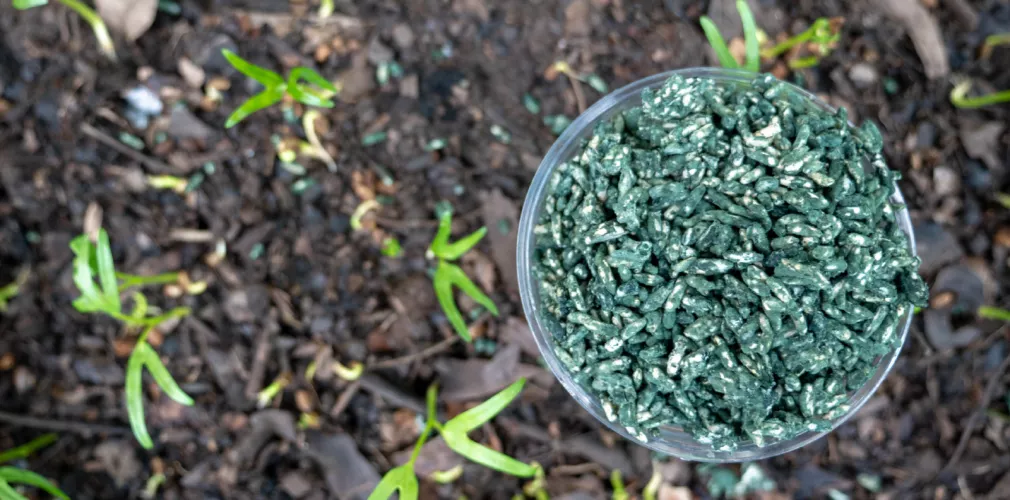
Trichoderma, like other genera of beneficial fungi, are naturally present in most soils. Understanding the role and activity of these invaluable small organizations can enable you to harness their capabilities and reap enormous benefits. This article will teach you about the importance of trichoderma in organic cannabis crops and hopefully convince you of their usefulness.
What are trichodermas?
Trichoderma are the most common genus of fungi found in nature. Inhabiting the soils of which they contribute to fertilization, the 90 or so members of this genus present very valuable characteristics to organic cannabis growers wishing to stimulate the microbiota in their growing medium.
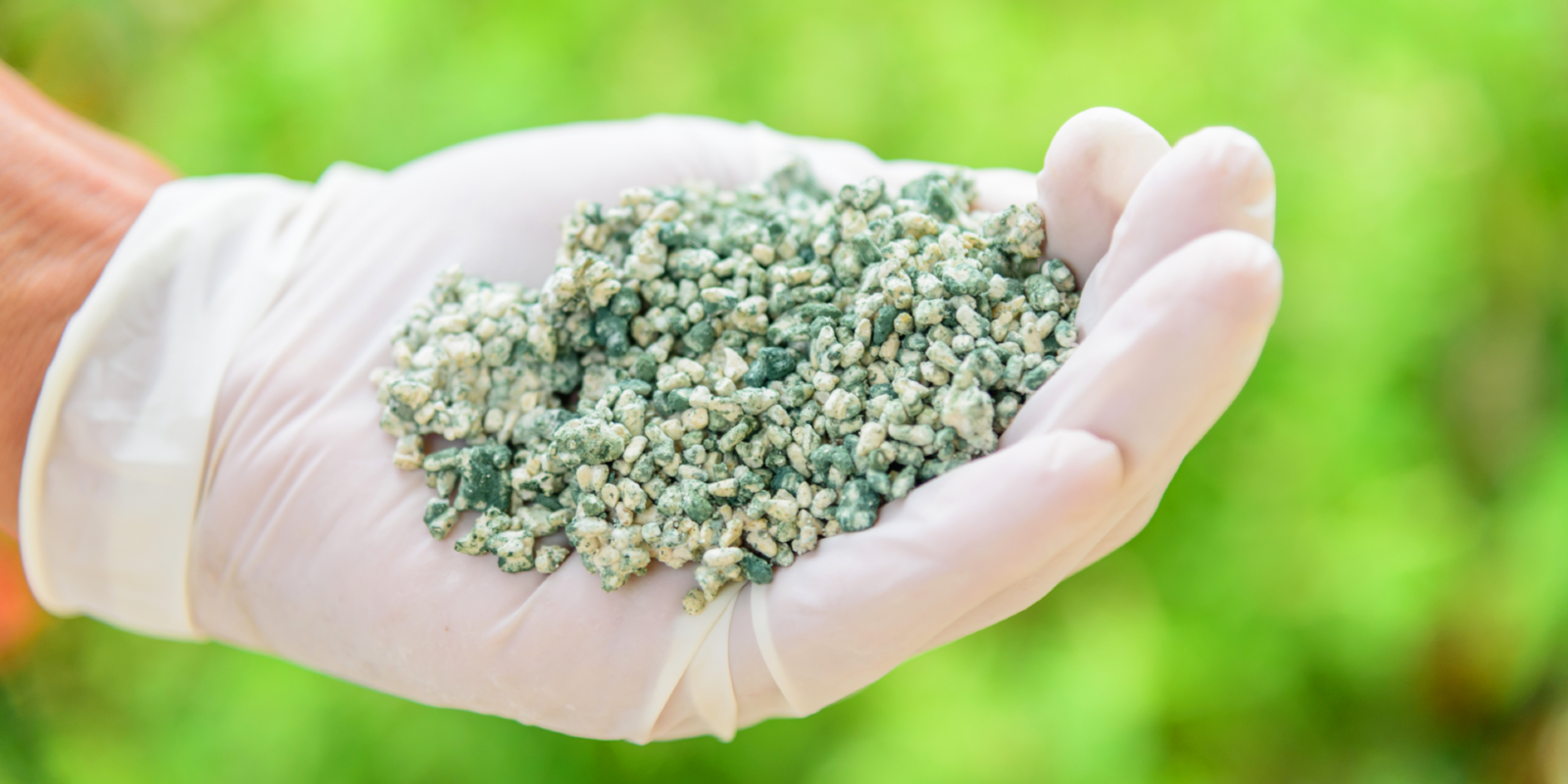
Usually available commercially in powder or liquid form, these beneficial fungi can easily be introduced into the root zone so that they develop a symbiotic relationship with the plant . They thus give the latter access to a number of nutrients from their environment that they are unable to reach or metabolize. This beneficial action is all the more interesting as it is not hampered by the action of pesticides that the plants might need. Indeed, some trichoderma are resistant to chemical pesticides, resistance nevertheless highly variable from one species to another.
Root development is fundamental to the growth of plants. The healthier and more extensive their roots, the larger the plants and the faster they will grow. Used from germination, trichoderma therefore allow the vigorous growth of the root mass, which activates the metabolism of plants to ensure their optimal development.
What do trichoderma eat?
Like other beneficial microorganisms, trichoderma thrive in carbon-rich substrates. But they also like nitrogen. In suitable soil, they develop easily and break down organic matter, allowing the release of carbon and ensuring the balance and supply of the food chain.
Ideal conditions for the development of trichoderma and their symbiosis with the root system can be achieved by soil amendment of carbon-rich organic material such as biochar or compost.
What are the differences between fungi and bacteria?
Beneficial bacteria and fungi both develop a symbiotic relationship with plants. Another similarity: they are both aerobic, that is to say they consume oxygen to produce energy through cellular respiration. But they are no less very different. In fact, in addition to their capacity to assimilate and deliver nutrients, bacteria fight pathogenic organisms, while, for their part, trichoderma and other beneficial fungi strengthen and stimulate the immunity of soils and plants .
Used simultaneously, bacteria and fungi therefore complement each other to ensure the good health of plants and their environment. However, these two types of organisms do not act at the same rate, the former being faster than the latter. It is therefore advisable to use bacteria instead in growing plants with a lifecycle of less than 8 months – as is the case with cannabis – and to turn to trichoderma or other fungi of this type for them. plants with a long life cycle. However, do not hesitate to use these mushrooms if you want to preserve the quality of your soil from one season to another.
Control of pathogenic fungi
Trichoderma are able to suppress the development of pathogenic fungi and prevent them from infesting soils and plants. Studies have shown that the presence of trichoderma is one of the most effective means of biological control of organic crops. Their effectiveness lies in their ability to saturate the space, thus preventing the proliferation of other fungi. As stated above, this protective action is all the more effective as trichoderma are very resistant fungi which will survive chemical pesticides whose use may prove to be necessary.
Trichoderma can be spread on the ground or used in liquid form sprayed on the foliage of plants . Some people add trichoderma to their home-made compost teas, trichodermas which they allow to multiply exponentially through the supply of oxygen.
Taking full advantage of the many beneficial properties of these mushrooms involves using them from the first few days of cannabis cultivation until harvest. Strengthening the immune system of plants will allow them to grow vigorously and effectively fight against pathogens that have managed to overcome the protective barrier formed by trichoderma.
Increased resistance to stress
The presence of trichoderma in the soil food web provides cannabis plants with increased capacities to resist environmental stresses such as droughts. Indeed, the trichoderma allowing the growth of the root mass, their use equips plants with a tool capable of retaining water while reducing transpiration , two elements particularly valuable in the event of a lack of rainfall or watering.
Five reasons to adopt trichoderma in cannabis crops
In contact with trichoderma, plants develop a particularly strong and vigorous root system, both in depth, thickness and density. As the roots propagate through the soil in search of air pockets, the more extensive they are, the greater the amounts of oxygen and nutrients that plants have access to.
The presence of a large amount of fungi on the roots greatly increases the capacity of plants to retain water. This property allows them to withstand more or less long periods of drought. It also increases the availability of nutrients.
Healthy and powerful roots allow the production of dense and numerous flowers. Their roots assimilating more nutrients thanks to the trichodermas, the plants have, in fact, sufficient energy to produce beautiful and compact buds.
The use of trichoderma also stimulates photosynthesis, which allows the production of phytohormones, natural growth hormones allowing plants to reach unexpected sizes.
The use of fungi such as trichoderma allows the reduction of the intake of conventional nutrients. If the soil food web is well developed and carbon levels are sufficient, the symbiotic relationship between trichoderma and the roots of cannabis plants will provide organic nutrition to the latter, making external inputs superfluous.
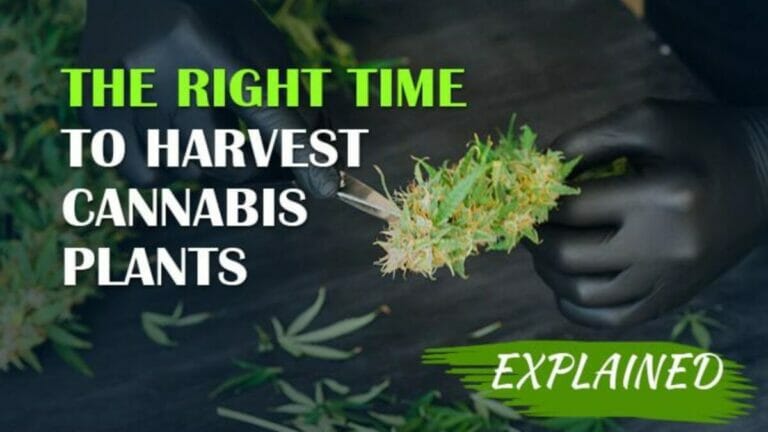
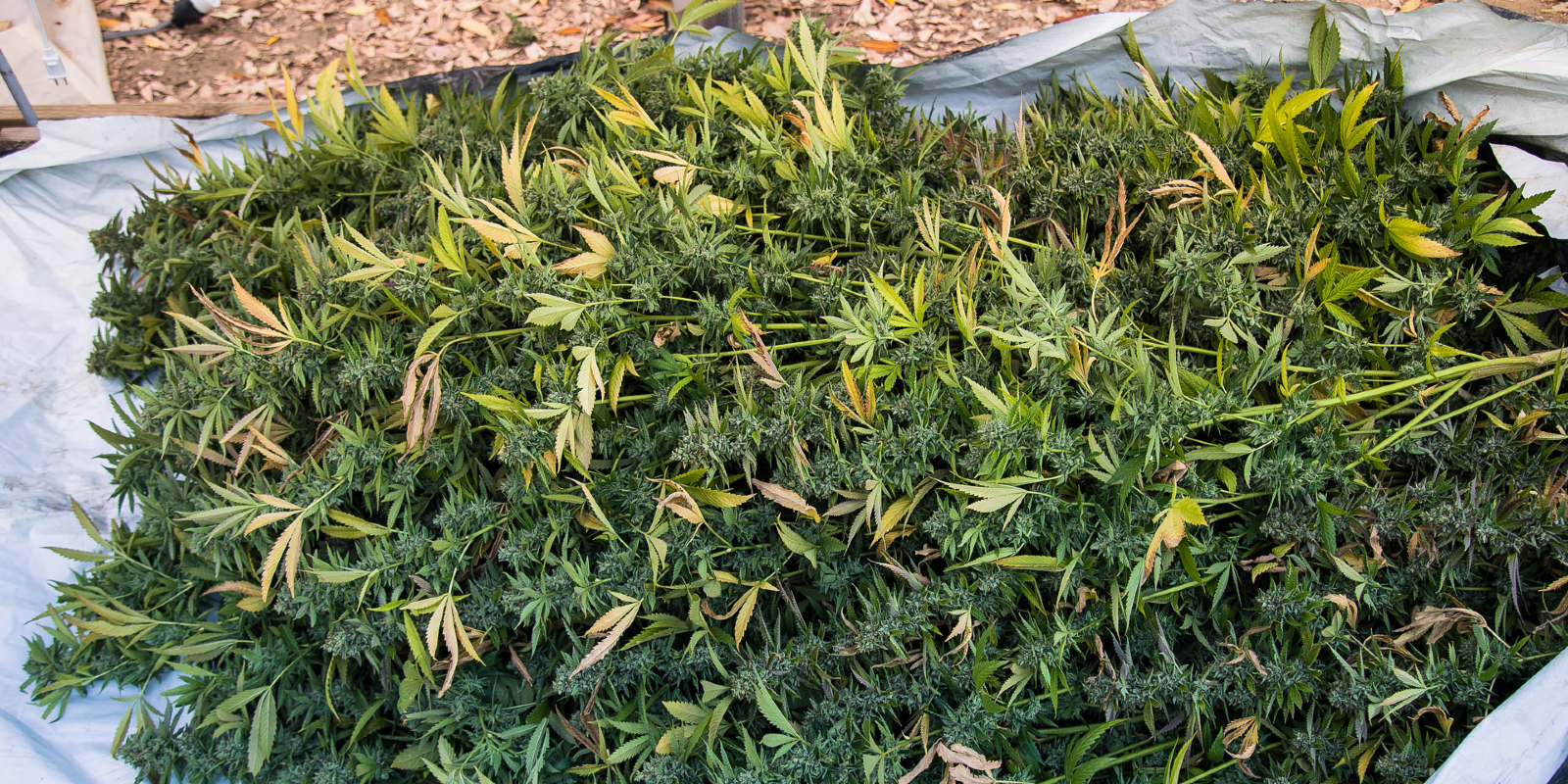
Any new grower faces a host of doubts and questions that keep piling up as harvest time approaches. You’ve spent time on your plants. You pampered them. You fed them. You healed them. Now is the time to reap the rewards of your efforts. What a shame to spoil all this work by doing it wrong! So here is a series of tips to help you decide when to harvest and how to prune cannabis flowers you will harvest.
You may have heard this term before without fully understanding its meaning. Does it match the flowering time stated on the seed box? Does it refer to the size of the buds? Does it relate to the overall appearance of the plant? Does it evoke a specific harvesting method?
In fact, it designates the interval during which the harvest must be done, the period during which the flowers are perfect, the moment during which the collection of the buds will give the most successful end product. There are five key factors in accurately identifying the harvest window for cannabis flowers.
1. Appearance
When the flowering time indicated on the seed box has elapsed, evaluating the appearance of your plants will give you a first idea of their ripening state. Do not be fooled by the amount of flowers produced or the ratio of white and brown pistils . Instead, focus on the trichomes and calyces. If the first are well developed and the second are well inflated (see below), do not hesitate to pick your flowers. They are mature.
2. Flowering times
The flowering time stipulated by seed banks often varies depending on growing conditions, light, fertilisers, phenotype, varieties etc. Although the indications given by the seed banks are relevant, do not hesitate to exceed the prescribed deadlines if the general appearance, the calyces and the trichomes do not appear mature enough and do not seem ready for harvest yet.
3. Swelling of calyces
Eager to taste these flowers to which they have taken so much care, many growers harvest them too early and do not give the calyxes time to swell as they should.
When the buds start to show signs of fox trailing, it’s because the plants have been over-fertilised by a grower in a hurry to watch them grow. Always remember that impatience is your worst enemy. Give your plants time to grow and develop slowly. The results you get will only be better.
4. Development of trichomes
Most of the cannabinoids, terpenes and essential oils that make each strain unique are stored in trichomes . Seen under a microscope, a trichome looks like a translucent white fungus. It is by inspecting its hat that you will know its ripening state. Its color will then give you a clear indication of the development of its terpene profile and therefore, its potency and its effect. As a general rule, the darker the head of a trichome (dark yellow with hints of red), the more potent the effect it will generate. Conversely, the clearer, silvery and nebulous it is, the lighter its effect.
5. Leaching
If you use liquid fertilisers, you are likely feeding your plants with mineral salts which over time saturate the soil where they cannot all be dissolved. During the two weeks preceding the harvest, leach your growing medium and the root zone.
In other dulls, sprinkle generously with clear water. You will thus force your plants to consume their reserves of these nutrients, you will evacuate the surplus of mineral salts from the culture medium and, in this way, you will considerably improve the flavor of the final product, removing any artificial or chemical flavor from it and giving it back a natural and pure taste. So do not harvest until you have devoted two whole weeks to this fundamental operation.
Some tips for harvesting cannabis
Get rid of any flowers that show signs of rotting. Cut them up and throw them away. Do not consume them.
Also get rid of leaves infected with downy mildew (powdery mold).
Don’t harvest your flowers too early. You would miss this harvest window which is characterised by the perfect affirmation and optimal maturation of the terpene profile of your plants.
Don’t harvest them too late either. You could end up with plants with an already degraded terpene profile.
Do not determine when to harvest based on the respective proportions of brown and white pistils. See above for key considerations in determining when to harvest.
You have gone to great lengths to ensure optimal development of your plants and to accurately determine when to harvest flowers. Do not stop there and do not neglect the drying of your flowers. Scorching with impatience, many growers waste weeks of work by rushing the drying process, ending up with a poor end product. Before even harvesting your flowers, decide how you are going to prune them.
harvest and how to prune cannabis
Dry waste or wet waste?
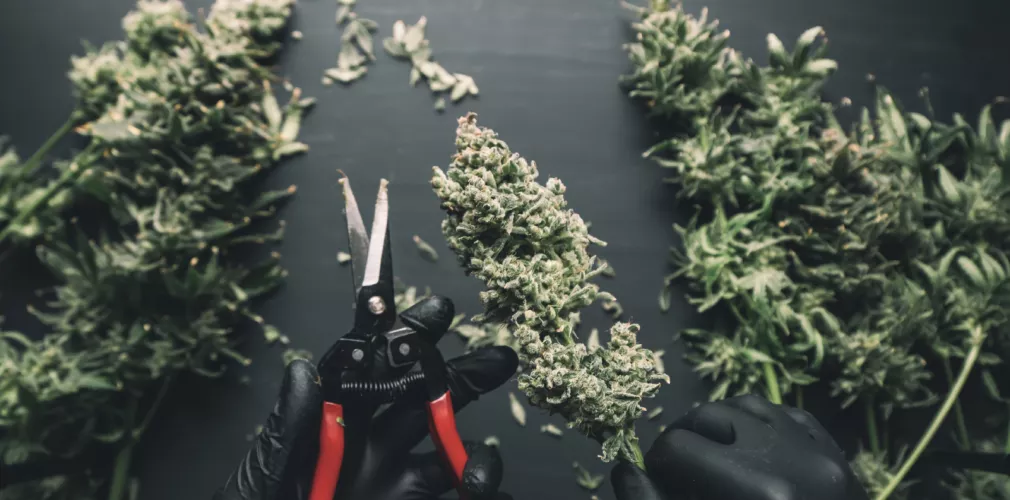
Pruning consists of the careful removal of large leaves and resinous leaves and cutting of the flowers. Several options are available to you.
Those who opt for the wet size give themselves the possibility of obtaining Live Resin of the first freshness. Indeed, as long as the buds have not dried, they have not decarboxylated and therefore present a particularly rich and complex terpene profile when converted into bubble hash or pressed into rosin.
Those who are reluctant to handle their plants that are still green, or who simply have too many plants to perform wet pruning, opt for dry pruning: they therefore simply remove the larger leaves and let their plants air out. a drying net for 10 to 14 days. The removal of the resinous leaves does not begin until the buds are completely dry. During this operation, be sure to place a container or sieve under your workspace to collect any trichomes that accidentally come off the flowers.
The pollen thus obtained can be immediately smoked, which is not possible with wet pruning, which requires the resin to dry before consumption. Ultimately , the material consumed must be dried sooner or later, whether before (dry pruning) or after (wet pruning) pruning.
There is an intermediary between dry and wet pruning. If you wish, you can remove the larger leaves and then let the buds air on a drying net for 10 to 14 days before removing the resinous leaves.
Manual or mechanical cannabis pruning?
The best way to manicure a flower to perfection is still the traditional method. But the size of the crop can obviously make such an operation impractical. Commercial growers are therefore often forced to turn to specific equipment, machines like leaf strippers that process their crop for them.
Although they are gladly viewed with contempt by true connoisseurs, these machines are often the only ones that allow the size of large quantities of flowers. The work they do can certainly leave something to be desired and a second pass may sometimes be necessary. However, they save a lot of time for large-scale growers.
Some argue that the weed so treated lacks the personality and identity that a manual manicure gives cannabis. But this type of debate between “home-made” and “industrial” is not confined to the world of cannabis. It’s up to you to see what you want and how much effort you are willing to put into achieving your goals.
How long will the cannabis buds take to dry?
Whichever pruning method you choose (wet, dry or intermediate), allow around 14 days of drying time. The little flowers could certainly be ready faster. But in most cases, waiting 14 days is the key to success.
The temperature of the space in which you will leave your harvest to dry should be as close as possible to 15º C. As for the humidity level, it should be around 50%. The most suitable place to carry out drying is the culture chamber itself or a makeshift drying chamber equipped with air extractors.
What to expect from efficient drying?
The flowers will have gained in density what they will have lost in volume.
They will be dry to the touch and, when handled, they will release a powerful aroma.
The peduncles (part of the flower that connects it to the stem or branch) will be brittle and slightly coloured.
Any odour of chlorophyll, however slight, will be gone.
The buds will be sticky to the touch.
They will not have the airy appearance.
Curing or how to enhance the aroma and effect of cannabis
Just as the refining of ham or cheese enhances their flavor, the refining of cannabis flowers makes it possible to enhance their characteristics. The curing process is often misunderstood and confused with storing or simply preserving cannabis flowers. However, these are two distinct processes since, unlike the second, the first involves the oxidation of the product.
Placing the cannabis buds in an airtight container and opening it daily for about ten minutes allows the product to react with oxygen and thus gradually degrade the THC into CBD. A more or less long refining therefore generates more or less distinct effects. As a general rule, the longer the ripening, the more physical and overwhelming the effect of consuming a flower will be.
Here we are going to tell you about the most common types of cannabis pruning that we can use to “shape” our plants depending on the growing space we are working on.
There are many prunings that we know today given the extensive knowledge we have about the cultivation of our beloved ones such as bass, FIM, apical … all of them focused to achieve different objectives although today I will talk only about these three to introduce you in the world of pruning.
Bass pruning in cannabis
A very successful technique and also very common in cannabis cultivation, it is an improvement pruning that consists of eliminating the lower and less productive branches of the plants to concentrate the force in the upper part.
In cases of indoor cultivation, I could say that it is essential since the light will never reach that lower part since it is fixed in the upper part and the rays do not have as much penetration, also with this better aeration is achieved and therefore they are prevented attacks of fungi and other pests.
In outdoor crops it is a more optional pruning since having lighting such as the Sun that crosses the sky and reaches all parts of the plant, the production of these lower branches will be greater all and that many growers prefer to eliminate them.
Apical pruning of cannabis
This is a pruning technique that is focused on inverting the typical structure of plants that, as you know, tend to grow in the shape of a Christmas tree in order to achieve greater penetration of light and thus an increase in production.
When apical pruning is carried out, the growth of the tip of the plant slows down and two new main tails appear but also the growth of the lower branches is stimulated, this is due to the fact that the growth hormones located in the apical bud are distributed throughout the rest of the plant.
Outdoors it will work very well to limit the height of the plants and thus obtain specimens that tend more to the shape of a bush than to that of a tree, which will always be more indiscreet.
In Inside it is also widely used because it allows optimize growing space getting is more take the light and thus can increase production in a small space.
How is apical pruning done?
It is a very simple process, you only have to take a disinfected scissors or scalpel and make a clean and horizontal cut on the apical bud, which as you can see has two shoots under it that we will respect so that they can grow and form secondary tails.
Pruning FIM cannabis
We are talking about a pruning that was accidentally discovered by an American grower who made a wrong cut but which a few days later proved to be beneficial, it is a practice very similar to apical pruning but with a slight variation.
The practical difference is that FIM pruning slows down vertical growth less than apical pruning, but on the other hand it also generates a greater number of secondary branches that will increase plant performance.
A technique highly appreciated by growers who only have 1 or 2 plants but seek to get the most out of them while controlling their height.
How is the FIM pruning done?
The way to carry out this type of pruning is practically the same as in the case of the apical, the difference is that instead of completely eliminating the apical bud, what we will do is cut it almost entirely, leaving between 30 and 40% of the bud from where later 4 to a maximum of 8 new branches will come out.
A very simple and really effective technique for crops seeking high yield, it must be said that both prunings give the best results if we practice them in a SCROG crop.
So far this small article to introduce you to the most common and simple pruning techniques that you can practice to improve the quality of your crops and harvests, I hope you have found it useful and that you do not hesitate to apply these pruning.
Conclusion
Understanding how each strain matures and matures takes time. Identifying the best method of pruning each genetics is time consuming. Learning how to cut cannabis optimally takes a lot of practice. Once you have determined your preferred varieties and are able to leach them and harvest, prune and refine the flowers, you will be able to produce a unique flavoured herb or resin.
exceptional. As is always the case in this world, cutting, drying and curing cannabis efficiently requires a long and complex learning process. So take your time and think carefully before taking any action.