Home Blog Page 122

Ban on CBD flowers challenged in Germany in unprecedented court case

After failing to convince the government to allow the sale of CBD flowers, the German company Hanf Farm is turning to the courts. Over the next two months, cannabis lawyer Kai-Friedrich Niermann is expected to get a preliminary opinion on the outcome of this litigation.

The case was started by Rafael Dulon, the managing director of Hanf Farm, and stems from his desire to import CBD flowers from the Belgian company Buddy Belgium for sale in Germany.

Speaking to BusinessCann, Mr Niermann said: “CBD flowers are becoming more and more popular in Germany, but there are no legal rules, it is kind of a regulatory black hole. A regulatory black hole that no one knows how to get out of. “

An essential regulation for hemp flowers

“Authorities are confused about the status of CBD flowers and many prosecutors I have spoken to say they have no idea how to deal with this issue. Law enforcement is becoming more and more intense and, as a result, more and more start-ups are criminalized. We must find a solution. “

CBD flowers are still illegal in Germany and the UK, but increasingly popular in Switzerland, France and Belgium where, in the latter case, they are regulated by tobacco laws.

In March this year, in a first attempt to avoid the courts, Mr. Niermann appealed to the Federal Office for Consumer Protection and Food Safety (BVL). Section 40 of the German Tobacco Products Act offers the possibility to apply to the BVL for a general decree stipulating that CBD flowers may be marketed in Germany.

However, at the end of July, the BVL rejected this request, declaring that the CBD flowers are a narcotic, adding that “misuse for the purpose of intoxication cannot be ruled out”.

The main court responsible for hearing appeals in this area is the Braunschweig Administrative Court. Hanf Farm’s appeal builds on the precedent set by last year’s KanaVape decision of the European Court of Justice which established that CBD is not a narcotic and therefore can be marketed in Member States of the European Union.

Mr Niermann said: “This conclusion, in particular with regard to the free movement of goods within the Member States, one of the most important legal principles of the EU, will have to be taken into account by the authorities and courts of the Member States when assessing the marketing possibilities for industrial hemp. “

While the case may take several years, a preliminary judgment based on written submissions is likely to be released within the next two months.

A lawsuit for hemp tea

This action resonates with another German case, involving the sale of hemp tea. In this case, the appellant was Daniel Kruse, President of the European Industrial Hemp Association and Managing Director of Hempro International, supported by Mr. Niermann, and again a general decree was requested.

Earlier this week, it emerged that this case was also dismissed and is expected to lead to a similar lawsuit.

Hemp and cannabis activists had hoped that a previous German court case would pave the way for a more liberal approach to hemp and CBD products.

Dubbed the Hanfbar case, after the retailer in question, it involved the sale of hemp tea and was ultimately dealt with by Germany’s highest court, the Federal Supreme Court (BGH).

The BGH has stated that the provisions of the German Narcotics Act “do not generally prohibit the sale of hemp flowers and leaves to end customers for consumption”.

However, he went on to say that a potential intoxicating effect, and therefore the potential for abuse, existed in the case of the oral ingestion of hemp flowers in the form of cookies. Mr. Niermann believes that this warning reflects the spirit of prohibition inherent in the German authorities.

German authorities “are prohibition”

“This confused decision is an indication of the prohibitionist attitude of all authorities for decades. For 70 years, they have inhaled everything, they are prohibition … When it comes to soft law, gray areas, where hard laws must be interpreted, they will always have this state of mind. “

However, with the federal election slated for a few weeks, more positive signs are on the horizon.

“With a new government and a new health ministry, we hope that this attitude towards cannabis regulation will change,” he added.

Signs of a more tolerant attitude towards cannabis within Germany’s ruling CDU party have emerged in recent weeks. Erwin Rüddel, CDU member of the Bundestag and chairman of the German Bundestag’s health committee, suggested that after the elections a recreational trial could be undertaken, similar to the one planned in neighboring Switzerland.

CBN, a “sleeping pill” cannabinoid in fashion in the United States

It now accounts for up to 10% of edible product sales in some US states. CBN – cannabinol for close friends – is more and more present on the shelves of shops specializing in cannabis. The proof: in four states of the American West (California, Colorado, Oregon, Nevada) the market share of CBN has… quadrupled, in just one year.

Cannabinol is obtained by long exposure to the light of cannabis flowers. Its market represented 5 million dollars in the spring of 2020. A year later, it sells for 23 million dollars per quarter, according to the calculations of specialized companies compiled by Hemp Industry Daily.

The market share is also increasing. In California, 11% of edible cannabis product purchases are CBN products. This figure was only 4% a year ago. In Oregon, Nevada and Colorado, the market share reaches 10%, 7%, and 4%, respectively. In these three states, there were virtually no sales of CBNs a year earlier.

Sleeping aid or placebo?

Companies have found their angle of attack to sell CBN well: a good night’s sleep. Cannabinol is indeed recognized as “soporific”. In 2017, the Steep Hill laboratory even wrote that “ consumption of 2.5 to 5 mg of CBN has the same level of sedation as a pharmaceutical drug, with a feeling of relaxation equivalent to 5 to 10 mg of diazepam “, a well-known sleeping pill.

But the laboratory backtracked. He now writes on his website: “It has been argued that CBD shows promise in the treatment of insomnia, but with the arrival of new studies, sedation is not observed. Further research is required. ”

So, placebo or a powerful sleeping pill? Rather the second answer, for Dr. Ethan Russo, director of research at the National Institute of Cannabis and Cannabinoids, quoted by Leafly. The scientist considers that CBN is no more sedative than another cannabinoid. On the other hand, it is very effective when combined with THC.

And that, the industrialists understood it well. The proof: in California, where cannabis is legal, the best-selling CBN product is the Midnight Blueberry Camino. These blackberry candies contain a THC: CBN ratio of 5: 1. This little blue tin has become the best-selling edible product in California.

What are the different types of pipe filters?

0

Just like cigarettes, pipes are equipped with filters to reduce the toxicity of tobacco. However, there are a number of them. Here are the different types of pipe filters to choose the best.

All about the different pipe filters

the pipe filter is inserted at the end of the pipe, in the part which accommodates the rod. There are 4 different types of pipe filters, but their role is the same: to filter the nicotine and tar present in tobacco.

The 9 mm filter

These are the most widely used pipe filters. As the name suggests, the 9mm filter measures 9mm in diameter. It is used on pipes with a suitable pipe and is composed of small balls of activated carbon or sometimes sea foam. The particularity of 9 mm filters is that they provide a drier and more pleasant smoke. They change after 3 or 4 uses at most.

Metal filters

This is a zero waste pipe filter. Made of metal, it fits into the rod and attaches to the pipe. Its shape can vary in order to adapt to different models of pipes. Besides retaining harmful particles, it will cool the smoke for a more pleasant experience.

The metal pipe filter is easily cleaned with water or alcohol. It is a very efficient ecological and economical system. Its lifespan is very long.

4 mm paper filters

These small rolled paper tubes are for single use only. In addition to the tars, paper filters also absorb some of the moisture. However, they can hinder your little privacy by providing an unpleasant feeling.

Balsa filters

These filters are the work of Savinelli. These are small filters cut from Balsa: a porous and light wood. They are found in 6 or 9 mm. In addition to purifying the smoke, they also dry it out. The triangular shape allows good air passage. They fit all Savinelli pipes, but also others!


Can you put CBD in an electronic cigarette?

0

CBD or cannabidiol raises many questions. This substance, which comes from the cannabis plant, can be consumed in different ways. Among the most popular forms of cannabidiol products today are e-liquids for electronic cigarettes. Overview of this product offered by some professionals.

The CBD vape, what is it?

For several years, the electronic cigarette has been used by smokers in many countries. Intended for recreational use, the e-cigarette is considered an aid in reducing tobacco consumption for regular smokers. According to the British public health agency, smoking an electronic cigarette is about 95% less harmful than smoking a traditional cigarette. However, the electronic cigarette is still the subject of numerous studies by scientists to elucidate certain facts.

With the rise of cannabidiol in many European countries, more and more entrepreneurs have embarked on the design of e-liquid based on CBD. Like other products derived from hemp marketed, the quantity of tetrahydrocannabinol or THC must not exceed the threshold authorized by the legislation in force in the field, i.e. 0.02%. In some countries, such as Switzerland, the maximum THC level can be up to 1%. Vaping CBD therefore does not get you “high”. Here are some insights on CBD e-liquids.

Cannabidiol e-liquids

Just like other products derived from hemp, CBD e-liquids do not have any psychic effects. Unlike THC, this molecule also derived from hemp has no psychoactive effect. Although these two cannabinoids are extracted from the same plant, one is tolerated, the other not. For information, tetrahydrocannabinol is part of the category of narcotics in France. This is the main reason for the ban on consuming it on national soil for recreational use. E-liquids have many components.

Cannabidiol is also a substance that integrates rather well with other components, such as propylene glycol, or even vegetable glycerin present in some e-liquids. Today, more and more specialists are offering this type of CBD product certified without THC. This is an alternative used by a large number of individuals who wish to decrease the consumption of nicotine. Overall, the liquids designed for electronic cigarettes based on cannabidiol are subjected to the same manufacturing process as other conventional e-liquids.

The effects of CBD on the body

While there are many ways to consume this cannabinoid naturally found in the cannabis plant, the effects of CBD remain the same. From one form to another, the effects felt may take more or less time to be felt by the consumer. Vaping cannabidiol with an e-liquid has thus become a new way of consuming this molecule. Much research carried out by scientists has highlighted the effects of CBD on the human body. Here is some knowledge on the subject:

  • Cannabidiol or CBD can affect the level of anandamide in the body. It is a molecule present in certain products such as chocolate. The latter indeed plays an important role in the feeling of reward and satisfaction of the consumer.
  • This cannabinoid contains in particular anxiolytic properties to fight against a state of stress or generalized anxiety. This molecule would soothe people prone to anxiety attacks.
  • Other studies carried out in the past have also been able to shed light on the antipsychotic effects of cannabidiol. This substance is the subject of various scientific programs with therapeutic aims to relieve patients suffering from pathologies such as schizophrenia or epilepsy.
  • Mild analgesic properties are also naturally present in cannabidiol. These are indicated to alleviate the unpleasant effects associated with pain of inflammatory types.

In addition, a large number of researchers around the world have also mentioned that CBD would reduce the psychotropic effects caused by the consumption of THC. In short, you should know that this molecule is still the subject of much scientific research around the world. Taking CBD may pose a risk of drowsiness for some people. Among the other side effects linked to the consumption of this cannabinoid, a dry mouth is also listed. To date, no serious side effects have been reported by researchers.

“Behind the smoke”, a com ‘campaign at a well-kept price

You may have seen it on a bus shelter, on television, or in your newspapers. The government’s latest campaign – titled “Behind the Smoke” – aims to raise awareness of the unknown risks associated with cannabis: insecurity in cities, failure at school or even domestic accidents.

One of its peculiarities? Its price, unknown. Neither the government, nor the advertising agency responsible for the design, nor the production company wants to give it away. According to a source, such a campaign “Can go beyond a million euros, even two or three”.

A figure corroborated by a document from 2012, published by the Government Information Service (SIG), the body responsible for communicating on the action of the executive and monitoring public opinion. Selon this text, the medium budget by campaign publawful, including the costs of design, construction and purchase of space [publicitaire] is relatively weak (€ 1.6M) ”.

The exact amount – funded 100% by public money – of “Behind the Smoke” is being kept a secret. “We never communicate the amounts of the awareness campaign”, opposes an adviser to the Prime Minister. He simply concedes that it is “Of a big campaign ”, a sign that it may cost a little more money than the others. That’s it. At a time when the State is making an important effort of transparency (on public contracts, declarations of interest by ministers, or the register of lobbyists in Parliament), there are still some very poorly lit areas.

112,000 euros for 30 seconds of advertising on TF1

This campaign was commissioned by the government from Publicis, a global communications juggernaut. The copywriters of the advertising agency imagined what the campaign would look like, in connection with the GIS. The production of the film was then entrusted to La PAC, a Parisian advertising production company. According to our information, the campaign was shot at the end of July in Orsay and Gif-sur-Yvette (Essonne). 50 to 60 people worked on it for two days.

Finally, once the campaign has been shot, it remains to be broadcast. For this, the executive entrusts the purchase of advertising space (on TF1, in The Parisian, on JCDecaux bus shelters, etc.) at Dentsu Consulting, the French branch of the Japanese communications giant. “We buy, we offer, we advise the government on the system that must be implemented”, explains someone close to the case.

Buying advertising space is the most expensive thing for the government. For example, a 30-second advertisement broadcast this Thursday on TF1, before the 9 pm film, costs 112,000 euros. But this price does not take into account the various possible reductions. Especially when a client (here, the State) buys in large volume, several advertising spots.

This is the case for “Behind the Smoke”: the campaign lasts a month, until September 22. Then, two other sections devoted to cannabis will emerge. In the fall, a campaign dedicated to the dangers of cannabis while driving. Finally, at the end of the year, a third and final salute on the dangers of the substance for health.

A Swiss study reveals the typical portrait of the CBD consumer

The Swiss CBD industry publishes a study to better understand its customers. In this country authorizing Cannabis with 1% THC, this document comes to draw the robot portrait of the purchaser. In Switzerland, the average consumer of flowers and CBD oil is a rather young man, with a higher education, with a rather high standard of living. He is quite familiar with cannabidiol, although he is not an expert. Finally, this average customer is a fairly recent user of this substance.

This study, funded by the Swiss CBD economic players, is based on 1290 responses obtained online by consumers from around fifty brands. Those who responded to the survey received in exchange for their participation a 15% voucher in partner stores. “The information contained in this study does not claim to be complete or exhaustive”, therefore warns the company Uweed, a sponsor alongside the Swiss Chanvre Community of Interest.

THEThe average CBD user would have a fairly high level of education. In fact, almost half of Swiss respondents (41%) have a university or higher education diploma (Bachelor, Master or doctorate) ”, observes the document. The average consumer is therefore much more educated than the Swiss national average of 31%.

Men consume flowers, women consume oil

This composite portrait is also marked by the strong over-representation of men. Two-thirds of consumers (66%) who responded to the survey are men, compared to only 31% women. No wonder, since cannabis remains socially marked in the masculine. Even though a few brands of CBD try to break these codes.

Consumption is very different depending on the sex. Men consume 68% CBD flowers and 38% oil. In women, the share of grass is in the minority (35%) and that of the dominant oil (71%). A sign which proves that the fact of smoking CBD flowers remains very associated with masculine codes.

Unsurprisingly, consumers are rather young… without being very young adults. Thus, the largest share (31%) of customers are between 31 and 40 years old. Next come the 18-30 year olds (26%), then the 41-50 year olds (21%), the 51-60 year olds (12%) and finally the age group over 60 (10%).

Finally, the standard of living is rather average. 38% earn less than 3,800 euros per month, but this figure should be put into perspective, as wages and the cost of living are high in Switzerland. 29% of respondents receive between 3,800 euros and 7,600 euros per month, which corresponds approximately to the average Swiss salary. 16% are really wealthy, with a salary in excess of 7,600 euros per month.

Finally, recreational cannabis (high in THC) remains closely associated with CBD users. Of course, half of the respondents say they do not consume substances other than cannabidiol. But of the other half who take other drugs, 47% smoke THC in addition to CBD. However, the consumption of CBD products lowers the consumption of THC in a quarter of users who combine “legal” and illegal cannabis.

Saint Lucia, Martinique’s neighbor, will decriminalize cannabis and clear records

It will soon be possible to possess up to 30 grams of cannabis without fear of arrest in Saint Lucia. The government of the island, located just 30 kilometers from the French department of Martinique, announces its political comeback. Labor Prime Minister Philip Pierre will vote on the measure at the next parliamentary sitting. A debate already well advanced, since the deputies discussed the subject for five hours, this Wednesday, in the Assembly.

If the measure sees the light of day, Saint Lucians over the age of 18 will be able to carry up to 30 grams of cannabis on them. They will not be able to consume their weed in public places, under penalty of a fine of 470 euros (the equivalent of half a month’s salary). Minors arrested for cannabis use will be followed by drug addiction counselors.

Another announcement: the erasure of the lockers, retroactively, voted unanimously. Concretely, the government will release from prison those convicted of possession of less than 30 grams of cannabis. This could concern several hundred prisoners, according to Martinique La 1ère. “We know that these measures have affected several people for years”, recognizes the Minister of Justice, Leslie Mondesir.

Satisfaction with the Rastafarian movement

These announcements appeal to the Rastafarian movement, which is fairly well established in Saint Lucia. 2% of the 180,000 Saint-Lucians adhere to this religious culture born in Jamaica, according to the CIA. For years, the island’s rastas were among the first to be affected by the criminalization of cannabis.

“We hope the government will mention our right to consume cannabis, our constitutional rights, our spiritual rights to use cannabis as a sacrament”, wishes Aaron Alexander, a Rastafarian representative quoted by Saint Lucia Loop News.

All of these measures are a first step for Saint Lucia. The island has been trying for years to reform its anti-narcotics law. But she never really succeeded. Decriminalization and amnesty therefore seem a first step. During the legislative campaign, Prime Minister Philip Pierre pledged to develop “A medicinal and recreational cannabis industry“.

How do you recognize a quality pipe?

0

As with many products, one might think that a high price is a guarantee of quality for the pipes. However, this is not always true. A pipe of quality varies according to the profiles of smokers. However, some elements are redundant. Here is how to recognize that a pipe is quality.

A question of price

There are some very expensive pipes and others that are more affordable. The lower price pipes are perhaps ideal to start, but quickly, the smoker will need a more qualitative accessory to obtain a more pleasant feeling.

Without paying 15,000 euros for your pipe, you will find excellent products starting at 80 euros.

The design material

Again, it is a matter of choice. However, many experienced pipe smokers are unanimous: briar is the most qualitative material for obtaining a good pipe. The older the heather, the greater the heat of combustion to achieve an ideal experience.

Of course, there are purists who will swear by corn or meerschaum pipes. Again, it’s all a matter of taste!

Complementary finishes and accessories

Waxed, natural, varnished, rustic, etc. There are many finishes for pipes. Some will prefer a more “shiny” rendering, others, more rustic and others still natural. The question of the aesthetic quality pipe is unique to each smoker.

On the other hand, we can easily say that a pipe is more qualitative than another if it is equipped with a 9 mm metal filter to optimize the aspirations. But then again, some smokers prefer to smoke without it, just as some prefer short rather than long pipes, made of ebonite rather than acrylic, etc.

To put it simply, a quality pipe will always depend on the tastes and expectations of each smoker. The redundant criteria are obviously the briar construction, the short pipes for outdoor smokers and long for indoor smokers, as well as the 9mm filters for the most part. As for the finish, many prefer the natural or waxed finish. And you ? What are your quality criteria for a pipe?

Hemp Oil Side Effects: Everything You Need To Know

At Cannabisnic, we love all things weed. We love the wide variety of strains and the always-evolving slang that makes talking about marijuana so much fun. We love the bongs, pipes, vaporisers, blunts and other paraphernalia as well as the concentrates, the oils, the dissolving strips, and the tinctures…everything!

But there’s one aspect of weed culture on which we have to cry foul: the use of the word “hemp” when referring to the psychoactive and medical cannabis that we all know and love.

And, honestly, it isn’t that big of a problem because most cannaseurs instinctively know that there’s a difference between hemp and marijuana, even if they can’t tell you exactly what it is.

The problem arises when we start talking about hemp oil, hemp oil benefits, and hemp oil side effects. That’s because many people confuse hemp oil with the broad category of cannabis oils such as CBD oil, THC oil, and canna-oil.

And unlike many of the other marijuana terms we throw around with glee and abandon, hemp oil–and hemp oil side effects– is so vastly different from the other marijuana-based oils that you can’t, and shouldn’t, substitute one term for the other.

That may lead you to wonder, “Why, exactly, is hemp oil so much different than the other marijuana-based oils?”

Great question! With that in mind, the experts at cannabisnic are here to set the record straight regarding hemp oil and hemp oil side effect.

But before we get to that, it’s important to go back to the beginning and learn about hemp and how it differs from marijuana.

Table of Contents

What Is Hemp?

Hemp Oil Side Effects: Everything You Need To Know

Okay, this may get a bit technical, but hang in there! It will help you see hemp in a whole new light.

Scientists have come up with a naming system to classify all living things. You may even have been exposed to it in school. Remember the saying, “Kings Play Cards On Fat Green Stools”?

That is a mnemonic to help you recall the categories:

  • Kingdom
  • Phylum
  • Class
  • Order
  • Family
  • Genus
  • Species

In our discussion of hemp, we’re going to use the last two: genus and species. We’ll also talk a bit about subspecies which is a division of species. But first thing’s first.

The scientific name for hemp—the name using the above genus and species classifications—is Cannabis sativa. “But wait!” you say. “The marijuana I smoked before dinner was a Cannabis sativa. Was I smoking hemp?” No, you were not. That’s because hemp is a non-psychoactive variety of the same plant that took you for a ride last night.

The difference between hemp and marijuana can be thought of like the numerous strains at your local dispensary. Sour Diesel and Straw Cough are both Cannabis sativa, but they are bred to exhibit different traits (e.g., flavor and potency).

The same is true of hemp and marijuana. They are both Cannabis sativa but they have been bred for different purposes. We’ll discuss those differences in the next section.

Ideally, we should think of both hemp and the psychoactive variety of marijuana as subspecies of the Cannabis sativa plant. So, for example, hemp should be named (and I’m making these up): Cannabis sativa hempus or Cannabis sativa hemporaticus.

At the same time, the psychoactive form should be named Cannabis sativa wheeherewego or Cannabis sativa ican’tfeelmyface. This would help to distinguish the two and allay any confusion, but it’s probably not going to happen anytime soon.

Instead, we recommend that you restrict your use of the word “hemp” to the stuff they use to make clothes and rope and paper products. Everything else you can call marijuana. Let’s talk about that now.

How Does Hemp Differ From Marijuana?

Hemp Oil Side Effects: Everything You Need To Know

The biggest difference between hemp and marijuana is that hemp contains less than 1% of the cannabinoid tetrahydrocannabinol (THC). Overall, hemp contains less of the cannabinoids (CBD, CBG, etc.), terpenes, and trichomes that make marijuana so much fun to be around.

Because of this difference in chemical makeup, hemp is primarily used for industrial applications while marijuana is grown solely for its psychoactive and medicinal properties.

Various parts of the hemp plant can be used produce:

  • Bread
  • Cereal
  • Dressing
  • Margarine
  • Flour
  • Fuel
  • Lubricant
  • Paint
  • Cosmetics
  • Body products
  • Insulation
  • Cardboard
  • Rope
  • Shoes

The list literally goes on and on. The psychoactive varieties of the hemp plant are not as effective in this regard.

We’re not saying you couldn’t use your Lemon Haze marijuana plant to make some cardboard, but why in the world would you want to?

Now that we know what hemp is, and how it differs from marijuana, let’s delve into the topic where all the confusion lies: hemp oil.

What Is Hemp Oil?

Hemp oil, or hemp seed oil to be more precise, is an oil produced from the seeds (and sometimes plant matter) of the hemp plant. The process and the end product are very much akin to more familiar oils like olive, coconut, peanut, and vegetable.

The confusion about hemp oil stems from the careless use of the term “hemp oil” to refer to either a psychoactive oil or a medicinal oil. Hemp oil is neither of those.

How Does Hemp Oil Differ From Cannabis Oil?

Hemp Oil Side Effects: Everything You Need To Know

Put simply, hemp oil is primarily a foodstuff like olive oil. Cannabis oil is a concentrate made from the cannabis plant that is produced to have high cannabinoid levels (e.g., THC or CBD or both).

You can use cannabis oil to get high (THC oil) or you can use it treat a myriad of disorders (CBD oil), but you can’t use hemp oil for either of those.

This is because of the low levels of cannabinoids in the hemp plant. There’s not enough THC or CBD in hemp to produce an effective concentrate without using a ton (literally) of plant matter. That’s not good for the environment, nor is it good for you.

It’s not good for you because hemp is what’s known as a bioaccumulator. In effect, it draws toxins from the soil and holds them in the stalk, leaves, and seeds. In small quantities—as in the production of hemp seed oil—these toxins cause no problems.

But if you were to use a large quantity of hemp plant matter to produce a good concentrate (which is possible), you would be getting all the toxins from the plant as well.

With those toxins in mind, let’s turn our attention to the next question: What are hemp oil side effects?

What Are Hemp Oil Side Effects?

Remember, hemp oil is a foodstuff so all of these side effects are going to occur as a result of ingesting the oil. Most of these hemp oil side effects are similar to what you might expect if you have a sensitivity to other oils.

1) Contains High Amounts Of Polyunsaturated Fatty Acids

Hemp Oil Side Effects: Everything You Need To Know

Polyunsaturated fatty acids are more commonly known as omega-3 and omega-6.

In small quantities, these fatty acids are great for your body and contribute to overall health. But in large quantities, they can contribute to bacterial infections, cardiac dysfunction, and cancer growth.

2) Produces Harmful Peroxides Under High Heat

When hemp oil is exposed to high heat (over 121℉), the polyunsaturated fatty acids break down into potentially toxic peroxides.

In small amounts, this is nothing to worry about, though it may lead to the next side effect. In large quantities, these peroxides can do damage to your body.

It’s also important to note that, just like other oils, hemp oil can catch fire if not used correctly.

3) Can Cause Digestive Issues

Hemp oil, like some of the more potent oils, can cause digestive problems in sensitive individuals. The problems include stomach cramps, diarrhea, acid reflux, and nausea, just to name a few.

4) Can Interfere With The Metabolism Of Other Medications

This side effect is very rare, but it is still possible. The CBD in the hemp oil, even the very low amounts, can cause medications to be improperly metabolized.

That means if you’re taking blood pressure medicine in combination with hemp oil, the effects of the medication may be reduced, or even eliminated completely.

If you’re on any medications, consult your doctor before adding hemp oil to your diet.

5) Can Affect Your Blood’s Ability To Clot

Again, this side effect is rare but is still possible. Hemp oil can reduce the blood’s ability to clot, or even stop the clotting ability completely.

As with the other side effects, it often takes large quantities to make this an issue. Even so, those with blood clotting deficiencies should consult their doctor before consuming hemp oil.

6) Can Be Slightly Psychoactive In Very Sensitive Individuals

This last side effect is very rare. Even more rare, in fact than interfering with medication metabolism.

Though THC levels in hemp are extremely low (1% or less), and aren’t usually enough to cause a high, certain very sensitive individuals may experience a mild psychotropic effect.

If you experience a change in your perception after consuming hemp oil, stop using it immediately and consult a doctor.

When To Be Concerned About Hemp Oil Side Effects

two bottles of hemp oil with hemp in the background

As we mentioned at the beginning of this article, hemp oil has been around for a long time as a foodstuff and an industrial product.

Chances are, you’ve used it in one form or another without even realizing.

That said, if consciously add hemp oil to your diet and you start to experience any of the hemp oil side effects mentioned in the previous section, stop using the oil and talk to your doctor.

It’s worth repeating that, for 99.9% of people, psychoactive highs are not something you need to be concerned about when it comes to hemp oil side effects. Hemp oil is just not made that way.

More often than not, if you experience one of the hemp oil side effects, it will be the digestive issues. These occur either because your body just can’t handle oil (much like some can’t handle gluten) or because of the peroxides that occur when hemp oil is heated.

Perhaps the most concerning of the hemp oil side effects is the possibility that it will interfere with any medications you are taking.

This side effect isn’t unique to hemp oil. Grapefruit juice also negates the effects of some medications.

If you’re on any kind of regular medication for vital bodily functions (heart, circulation, liver, kidneys, etc.) consult with your doctor before adding hemp oil to your diet.

Hemp Oil Side Benefits

Medical marijuana buds spilling out of prescription bottle with lid onto blank medical prescription pad

We talked about hemp oil side effects earlier in this article. Now, let’s talk about hemp oil benefits so you can decide for yourself whether or not to use it.

1) Good For Your Brain

Hemp oil contains fatty acids that are essential for the proper function and development of your body.

One such fatty acid is docosahexaenoic acid (DHA). DHA is crucial for the overall health of your brain and other organ systems.

You can get plenty of docosahexaenoic acid in your diet by eating nuts and seeds or by taking DHA supplements, but hemp oil — like other healthy oils — contains high levels of the fatty acid. So you won’t need as much hemp oil to get the DHA your body needs to thrive.

2) Promotes A Healthy Immune System

Healthy bacteria in your digestive system helps keep your immune system running at 100%.

That means less chance of infection, less chance of cold, and less chance of flu.

So how can you promote the growth of healthy bacteria in your digestive system? With hemp oil, of course.

The essential fatty acids in hemp oil encourage the proliferation of healthy flora in your stomach and intestines, which, in turn, stimulates your immune system to run on all cylinders and keeps you healthy.

3) High In Omega-3s

Omega-3 is another fatty acid your body needs to function properly.

You’ve probably heard fish oil touted as a great way to get a daily dose of omega-3s, but hemp oil is also high in that fatty acid.

In addition to helping your body work at 100%, the omega-3s in hemp oil also provide other health benefits, including:

  • Lowering blood fat levels
  • Relieving stiffness and joint pain
  • Mitigating the effects of depression
  • Reducing inflammation
  • Protecting against Alzheimer’s and dementia
  • Lessening the symptoms of ADHD

With hemp oil, you also have the added benefit of avoiding the sometimes high levels of mercury found in fish oil.

As such, hemp oil is an excellent substitute for fish oil.

4) Moisturizes Skin

Like olive oil and coconut oil, hemp oil is a powerful moisturizer that keeps water from evaporating off the surface of your skin.

When applied directly to your skin after a shower, or after applying a hydrating cream, hemp oil helps lock the moisture in your skin and prevents it from drying out.

Hemp oil’s antioxidant and anti-inflammatory properties also soothe dry, damaged skin and protect it against the aging process.

5) Contains Omega-6 For Your Heart

Woman running and enjoying the positive hemp oil side effects

We’ve already talked about the omega-3 fatty acids in hemp oil and the many benefits they have to offer.

But hemp oil also contains another essential fatty acid: omega-6.

In fact, hemp oil has a 3-to-1 ratio of omega-6 to omega-3. That particular ratio of fatty acids promotes healthy cardiovascular function and prevents degenerative conditions in both your heart and other parts of your body.

6) Contributes To Hair And Nail Health

Hemp oil also contains omega-9 fatty acids that contribute to the health of your hair and nails.

Omega-9 works by:

  1. Moisturizing the scalp and nail beds
  2. Stimulating the production of keratin (a protein that makes up 90 percent of your hair and nails)
  3. Strengthening hair and nails to prevent breakage

To get the most of the omega-9 in hemp oil, add it to your diet (where it can work from the inside out) and apply a small amount to your skin and hair (so it can work from the outside in).

If you have issues with brittle hair, brittle nails, or dry scalp and skin, try hemp oil as a remedy before over-the-counter medications that may cause more problems than they solve.

7) Helps Balance Hormones

We talked generally about omega-6 and its cardiovascular benefits earlier in the article. Now, it’s time to talk about a specific omega-6 fatty acid: gamma-linolenic acid (GLA).

Among other things, GLA plays a role in helping your body balance hormone production and secretion.

For women, this is especially beneficial because adding a GLA supplement (such as hemp oil) to your diet helps ease premenstrual syndrome and reduces the cramping and pain that follow.

8) Healing Agent

Plants contain terpenes. These terpenes are responsible for all the flavor and aroma combinations that make vegetation so unique.

In addition to providing taste and smell, terpenes also provide numerous health benefits.

For example, the terpene beta-caryophyllene (pepper) interacts with cell receptors in your body that regulate and strengthen your immune system.

Another terpene, myrcene (musk), produces an antidepressant, anti-inflammatory, and antioxidant effect in your body, as well as improving the mobility of molecules across cell membranes.

When the molecules in your body can move through the cell membrane quickly and easily, everything from digestion to respiration improves.

How To Use Hemp Oil

Despite the hemp oil side effects we discussed earlier in this article, hemp oil is a healthy addition to your daily routine.

Here are some easy ways to experience the benefits that hemp oil has to offer.

1) Ingest It Directly

The easiest way to use the oil without worrying about the hemp oil side effects that come with overheating is to ingest it directly.

Hemp oil looks like a thick liquid, is often dark black or dark green, and tastes like dirt and grass, so it’s not the most appetizing thing to eat by itself. Be prepared.

That said, a quick spoonful of the stuff avoids all the muss and fuss and provides 100% of the benefits we talked about earlier in this article.

If you just can’t handle the flavor of hemp oil on its own, try mixing it in something else to temper the taste (more on this in the edibles section below).

2) Apply A Hemp Oil Cream

As we mentioned in the benefits section, hemp oil is an excellent moisturizer. You can rub it directly on your skin or, for even more benefits, apply a hemp oil cream.

In addition to the many skin, hair, and nail benefits, hemp oil cream can also:

  • Prevent cell damage
  • Prevent varicose veins
  • Treat skin rashes and acne
  • Soothe irritated skin
  • Reduce fine lines & wrinkles
  • Keep pores open
  • Lock moisture in your skin
  • Hydrate dry skin
  • Prevent psoriasis
  • Regenerate your skin’s protective layer

Some hemp oil creams even offer pain relief for muscle and joint aches.

Hemp cream for pain relief with positive hemp oil side effects

For best results, place a small amount of cream on the palm of your hand (or directly on the dry skin itself), then rub the cream into your skin.

If certain areas of your skin still feel dry, reapply the hemp oil cream a second time for increased moisturizing and healing.

3) Whip Up A Batch Of Edibles

Hemp oil is a great substitute for other oils in all your favorite recipes.

Hemp oil adds a distinctive woody flavor to whatever you’re cooking, so don’t use too much.

Instead, consider the following suggestion for using hemp oil in (or on) edibles.

  • Add a few drops of hemp oil into the mix along with the suggested amount of olive oil or coconut oil.
  • Use hemp oil for sauteing.
  • Drizzle hemp oil on top of a salad.
  • Add a small amount of hemp oil to your daily smoothie.

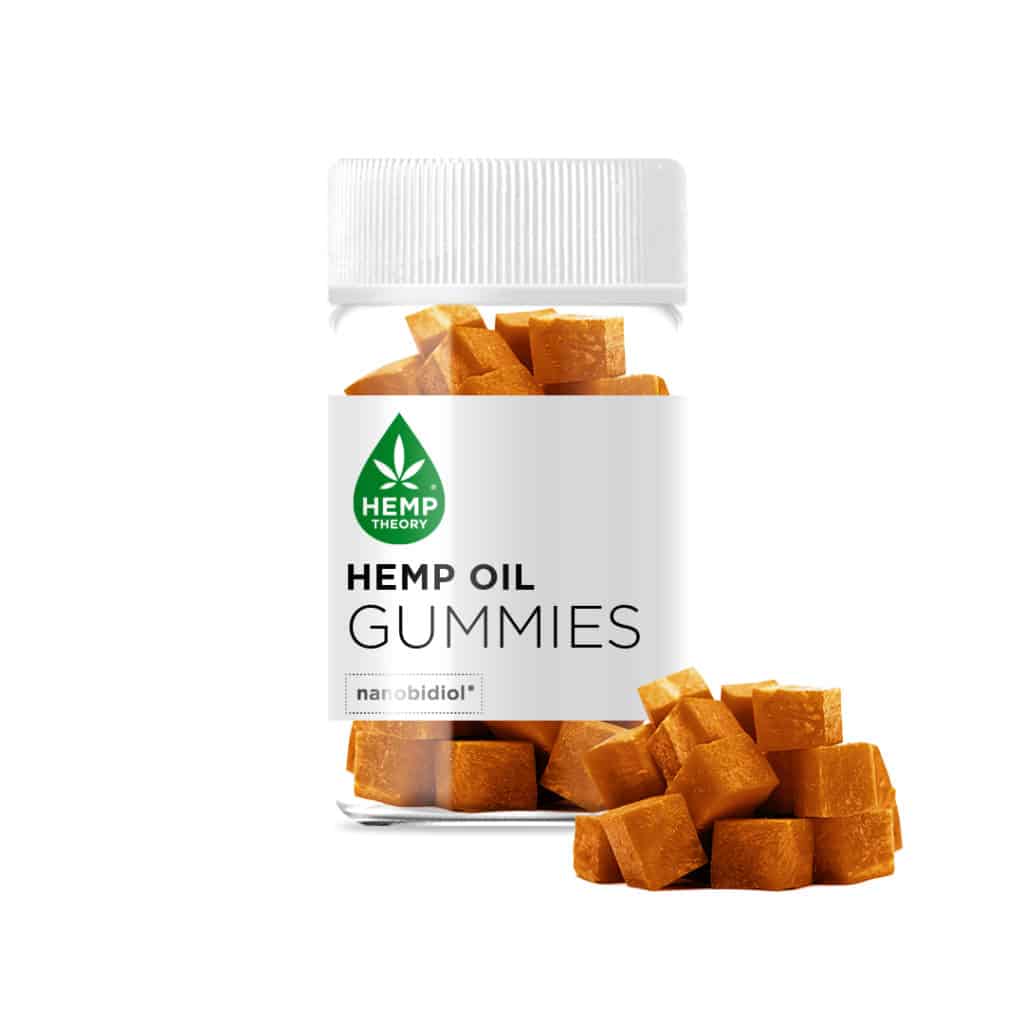
Another super easy way to get your hemp oil in edible form is to take a hemp oil gummy. It’s just like taking a multivitamin, but you get all the benefits of hemp oil instead.

Hemp oil gummies

If edibles aren’t your thing, try dissolving a bit of hemp oil in your coffee or tea (or just some hot water).

Taking hemp oil in a drink masks the flavor and makes it easier to digest while still providing all the benefits.

Hemp Oil Side Effects And You

So don’t be confused by the terms hemp, hemp oil, and hemp oil side effects. Now you know exactly what each one is.

Just remember to use the word “hemp” to refer to the cannabis plant used for industrial and foodstuff purposes. Everything else should be marijuana or weed or ganja or Mary Jane or…you get my point.

Keep in mind that even though you are using the terms correctly, others may still use the terms interchangeably to refer to any oils derived from the various species of Cannabis plant.

That’s okay. It just means you may have to ask for clarification about exactly which product they are referring to.

And don’t be surprised if they ask you for clarification as well. It takes time for the right way to become common knowledge.

What Is Cannabis Ruderalis: Everything You Need To Know

You’ve heard of Cannabis sativa and Cannabis indica, but there’s another variety of cannabis you may not be familiar with. Get to know Cannabis ruderalis and find out why it’s a valued member of the marijuana family.

In this article, the all-things-cannabis experts at cannabisnic tell you everything you need to know about this oft-forgotten species and why many breeders still swear by it.

Table of Contents

Facts About Cannabis Ruderalis

cannabis ruderalis plant leaf

1) There’s A Reason It’s Named Cannabis Ruderalis

If Cannabis ruderalis (C. ruderalis, or just ruderalis for short) were an animal, we’d call it feral — as in, living in a wild state.

For plants, however, feral doesn’t apply. Instead, botanists use the term ruderal.

Ruderal refers to a plant growing on waste ground, among refuse, and in extreme environments found in colder, more elevated climates.

Essentially, ruderal describes a weed that grows where it’s not wanted and in competition with cultivated plants. So it’s not the slang sense you’re used to, but the actual scientific definition of a pesky, unwanted plant.

Cannabis ruderalis commonly grows near roadsides, on agricultural land that is fallow, or on other land that humans have disturbed and then left alone.

2) Grew Originally In Russia And Adjacent Areas

Cannabis ruderalis predates pretty much all of the countries you’d recognize on a map — meaning it was there before man put name to place.

Scientists agree, though, that ruderalis was common in what is now Asia, Central and Eastern Europe, and specifically Russia.

In fact, ruderalis probably originated in Russia and then spread east, west, and south into countries such as:

  • Mongolia
  • China
  • Pakistan
  • Afghanistan
  • Kyrgyzstan
  • Uzbekistan
  • Kazakhstan
  • Ukraine
  • Slovakia
  • Romania
  • And others

In many of these areas, ruderalis continues to grow as a weed in competition with more domesticated cultivars such as corn, wheat, and oats.

Cannabis ruderalis isn’t very common in the Western Hemisphere because, as we’ll discuss, it’s only got one or two specific uses.

For that and other reasons, humans didn’t go to the trouble of planting ruderalis here in the states.

3) Related To Indicas And Sativas

Botanists include ruderalis as a third type of marijuana along with its relatives Cannabis sativa and Cannabis indica.

That said, scientists aren’t really sure if ruderalis is a sibling or a cousin of the more common — and more widely used — varieties. In fact, they’re not even sure whether it qualifies as a species in its own right or if it’s a descendant of one of the other two.

Genetically, Cannabis ruderalis falls somewhere between the indica and sativa strains, but its effects are quite different.

Indica strains produce a lethargic and lazy body high rather than a head high. Because of that, indica’s benefits mostly deal with relief of conditions such as:

  • Anxiety
  • Stress
  • Body pain
  • Migraines
  • Spasms
  • Seizures
  • Depression
  • Nausea

Sativa strains, on the other hand, produce an energetic head high that makes users feel more alert, creative, happy, and serene. Sativa strains are also notorious for their ability to make you hungry.

As you’ll see later on in this article, Cannabis ruderalis does none of that.

4) The Smallest Of The Cannabis Plants

Cannabis ruderalis is the smallest of the cannabis plants.

While sativa strains grow up to 20 feet tall and indica strains grow up to six feet tall, ruderalis grows between one and two-and-a-half feet tall.

Botanists attribute this small height to the fact that ruderalis needs to thrive in harsh and varied conditions, such as areas with poor soil, no shade, and exposure to winds and pests.

A small, sturdy plant is much better suited to this type of environment than a tall plant.

Because of its small stature, ruderalis is often referred to as dwarf cannabis or bonsai cannabis. Ruderalis produces only a few branches that contain wide, fat-bladed leaves.

Ironically, the stereotypical pot leaf that has become a symbol of cannabis culture most nearly resembles the Cannabis ruderalis leaf. It’s ironic because ruderalis doesn’t get you high like sativa and indica.

5) Doesn’t Depend On Light Exposure To Flower

Marijuana plants outdoors

One of the most unique and valuable traits of the Cannabis ruderalis plant is that it doesn’t depend on light exposure to flower.

Of course, ruderalis needs light to grow — as all plants do — but this strain doesn’t depend on the ratio of light to dark hours (the photoperiod) to switch from vegetative growth to flowering growth.

Instead, the switch depends on age (i.e., number of days). Scientists call this trait autoflowering.

What that means for the average grower — or the person who stumbles upon ruderalis in the wild — is that autoflowering strains don’t require varying the amount of light the plant gets the way you do with photoperiodic strains.

Just to clarify, photoperiod-dependent strains (or photoperiodic for short) are your classic indica, sativa, and hybrid strains with names even the newest of noobs is probably familiar with (like Blue Dream, Sour Diesel, and Thin Mint Girl Scout Cookies).

These strains respond to changes in light (i.e., the length of exposure) to “know” when to produce flowers.

To better explain, think about the summer and fall seasons. During the longest days of summer, an outdoor plant might get 15 hours or more of sunlight. After the summer solstice, the number of hours of daylight decreases.

This is usually the “cue” for plants to begin flowering. It’s the basic growing cycle that farmers have been dealing with for 11,000 years and that you probably learned about in kindergarten (only without the big words like photoperiod-dependent).

The autoflowering ruderalis strain will grow for a certain number of days and then flower regardless of the amount of light it gets (as long as it gets enough to thrive, of course).

6) Grows Fast

Cannabis ruderalis grows very fast.

The typical lifecycle of a ruderalis plant — from seed to flower — is as low as 10 weeks (though 12 to 14 weeks is more typical).

Compare that to the much longer grow times of indica and sativa — anywhere from four to six months — and you can see why breeders value this little plant.

7) Contains Very Low THC Levels

The question on most people’s minds when it comes to Cannabis ruderalis is, “How much THC does this baby have?”

Unfortunately, the answer is very little. How much is very little? It helps to compare ruderalis to hemp.

To qualify as hemp — which is basically just a foodstuff and an industrial product — the plant needs to contain less than 0.3% of the cannabinoid THC.

Cannabis ruderalis, on the other hand, typically exhibits less than 3% THC. That small amount is not enough to produce anything akin to a body or head high like indica and sativa (which can get as high as 28 or 29%)

8) Contains Some CBD

Cannabis ruderalis does contain a bit of CBD, so you can use it to experience some wonderful medicinal benefits.

The beneficial effects of CBD are legion, and more are being discovered every day. Here are some things CBD can do:

  1. Promote bone growth
  2. Inhibit growth in cancer cells
  3. Kill or slow bacterial growth
  4. Reduce risk of artery blockage
  5. Treat psoriasis
  6. Prevent degeneration of nervous system
  7. Reduce blood sugar levels
  8. Aid sleep
  9. Reduce seizures and convulsions
  10. Suppress muscle spasms
  11. Relieve anxiety
  12. Lessen the severity of psychosis
  13. Reduce nausea and vomiting
  14. Stimulate appetite
  15. Reduce inflammation
  16. Decrease pain

For many patients, achieving these benefits without the psychoactive effects normally associated with marijuana would be like the holy grail of medical treatment.

That’s one of the reasons Cannabis ruderalis is still used by many breeders: because mixing its genes with indicas and sativas is an easy way to increase CBD count without also increasing THC count.

9) Cannabis Ruderalis Is Not The Same As Hemp

A bud of cannabis ruderalis

Earlier in the article, we touched on one of the main differences between Cannabis ruderalis and hemp — THC levels. But there are many more differences between Cannabis ruderalis and hemp.

Hemp is a relative of the sativa and indica plants that get you high, but growers have bred it in such a way that it’s extremely low in THC (0.3%). That’s so low you won’t feel a trace of psychedelia no matter how much you take — that’s why it’s been grown legally for decades.

Similarly, hemp contains very low levels of CBD (0.5 to 2.0%) and other cannabinoids, such as CBG and CBN.

So why grow it? Because it’s great as a foodstuff and an industrial product.

Check any health food shop, “big box” grocery store, or corner bodega and you’ll likely find hemp seeds in there somewhere.

Hemp seeds are high in polyunsaturated fats (omega-3 and omega-6), vitamin E, potassium, magnesium, and vitamins B1 and B2. This makes them a healthy addition to any balanced diet. We love sprinkling them in soups, salads, and smoothies for a delicious and nutritious kick.

But the benefits of hemp don’t stop with the seeds. Manufacturers use hemp in everything from shampoo to plastics to paint to rope and clothing. It’s a very versatile plant!

Cannabis ruderalis, on the other hand, is not a nutritionally dense plant, nor can it be used as an industrial product like hemp.

Cannabis ruderalis is really only good for its genetics and its growing properties.

10) Doesn’t Need Your Help

One of the nice things about Cannabis ruderalis is that it doesn’t need a lot of help from humans.

As we touched on at the beginning of this article, it’s basically a weed (in the botanical sense) that’s going to grow despite your best efforts to the contrary.

It’s very much like a dandelion in that regard.

Have you ever had to feed and water and care for the dandelions in your front yard? Heck no! Those suckers just grow wherever they want. In fact, they’ll grow despite what you, mother nature, and even Chemlawn throw at them.

Cannabis ruderalis exhibits many of those same characteristics.

In fact, that’s one of the things breeders love about the plant — it exhibits a more laissez-faire attitude than some other, more needy and hands-on, strains of cannabis.

Cannabis ruderalis is hearty, resistant to disease, grows in a variety of climates, and isn’t overly picky about the soil in which it lives.

Sure, it’s got very low cannabinoid content, but its growing properties are extremely desirable.

Will Cannabis Ruderalis Get You High?

Girl smoking cannabis ruderalis out of pipe

Unless you’re an absolute newb and you’ve spent your entire life avoiding stimulants and psychoactives of every kind (including coffee, tea, pop, and high fructose corn sugar), Cannabis ruderalis will not get you high.

If you’re the unicorn mentioned above — first of all, kudos! — and your first time partaking of the wacky weed is Cannabis ruderalis, you might feel something. Lucky you!

After that, though, you’ll probably need one of the more common sativas, indicas, or hybrids (Chem Dog, Fruity Pebbles, or Cherry OG) for the psychedelia or medical relief you’re after.

That said, we recommend taking things slow. Don’t jump from “never done it before” directly into the deep end.

Increase the THC content slowly so you’re familiar with the feelings and know how your body will handle the high.

To help you in this regard, here’s an incremental guide to help you answer the question, “Will <insert cannabis product here> get me high?”

  1. If your cannabis product contains one percent THC or less, you won’t feel a thing (because, most likely, this is hemp).
  2. If your cannabis product contains one percent to five percent THC, and depending on your pot experience, you might start to feel something (Cannabis ruderalis falls in this category).
  3. If your cannabis product contains five percent to 10 percent THC, you’ll probably hear a shape or two.
  4. If your cannabis product contains 10 percent to 15 percent THC, you’ll be well on your way to Psychedelic City (we own property there so look us up when you arrive).
  5. If your cannabis product contains anything above 15 percent THC, kiss reality goodbye.
  6. If your cannabis product is (made from) a CBD-dominant strain used for medicinal purposes, you will not get high.

So, again, will Cannabis ruderalis get you high?

It will not. You might feel some medicinal effects (as in relief from anxiety or a decrease in pain if you have either) thanks to the CBD, but the very low THC content won’t be enough to give you the high that you’ve heard all your canna-pals talking about.

Talk to the budtenders at your local dispensary and they can recommend a product with just the right amount of THC to keep you from getting too high.

A blunt with cannabis ruderalis

In order to be completely, 100% legal, Cannabis ruderalis would have to exhibit the same traits as hemp.

Specifically, that means that, in the United States, it would have to contain less than 0.3% THC (0.2%-0.3% THC in Europe). As we discussed, Cannabis ruderalis typically contains 3% THC, which puts it well above the legal threshold.

But, again, is Cannabis ruderalis legal? The answer is a bit confusing.

At the beginning of 2021, all cannabis is illegal according to the federal government.

Currently, the Controlled Substances Act (CSA) of 1970 classifies cannabis as a Schedule I drug along with Heroin, Ecstasy, PCP, LSD, Psilocybin, Mescaline, and Peyote.

Schedule I classification means that those substances have no defined medicinal purpose, have a lack of accepted safety under medical supervision, and have the highest potential for abuse.

So, even though Cannabis ruderalis is about as harmless as you can get without becoming hemp, the federal government still lumps it in with much stronger drugs.

Silly, we know, but it doesn’t mean you’re S.O.L.

As of this writing, all 50 states have addressed the use of cannabis and cannabis-derived products (including Cannabis ruderalis). Here’s how it breaks down state by state.

  • Washington
  • Oregon
  • California
  • Nevada
  • Arizona
  • Montana
  • Colorado
  • South Dakota
  • Illinois
  • Michigan
  • Alaska
  • Maine
  • Vermont
  • Massachusetts
  • New Jersey
  • Utah
  • New Mexico
  • North Dakota
  • Minnesota
  • Oklahoma
  • Missouri
  • Arkansas
  • Louisiana
  • Mississippi
  • Florida
  • Ohio
  • West Virginia
  • Virginia
  • Pennsylvania
  • New York
  • Maryland
  • Delaware
  • Connecticut
  • Rhode Island
  • New Hampshire
  • Hawaii

CBD Only

  • Idaho
  • Wyoming
  • Texas
  • Nebraska
  • Kansas
  • Iowa
  • Wisconsin
  • Indiana
  • Kentucky
  • Tennessee
  • Alabama
  • Georgia
  • South Carolina
  • North Carolina

The “Legal Recreational And Medical Use” classification is the most inclusive and means that pretty much anything goes — including Cannabis ruderalis.

The “Legal Medical Use” classification sets limits on cannabinoid content and who can obtain marijuana for medicinal use. Cannabis ruderalis is probably legal in these states, but be sure to check local legislation first before firing up a fatty in public.

The “CBD Only” classification sets even stricter limits on cannabinoid content and outlaws high-THC strains completely.

Because Cannabis ruderalis has a very low THC content, it might be legal in these states, but you’d have to check the numbers. If the limit is below 3% THC, you’re golden and can partake of the Cannabis ruderalis with impunity.

Cannabis Ruderalis Hybrids Are Perfect For Monster Cropping

Weed plant

You’ll notice we didn’t say Cannabis ruderalis is perfect for monster cropping. It’s not.

First and foremost, it’s autoflowering. Second, it doesn’t grow very tall and monster cropping works best on medium-height plants.

Cannabis ruderalis hybrids — ruderalis mixed with an indica or sativa strain — however, are a different story entirely.

If your hybrid fits the following characteristics, give monster cropping a try:

  • Grows quickly and vigorously in the vegetative stage
  • Grows quickly and vigorously in the early part of the flowering stage
  • Grows lots of stems and bud sites
  • Grows to medium height
  • Is not of the autoflowering variety

Monster cropping is easy to do, doesn’t require a lot of plants to start, saves you money, and results in more flowers.

An abundance of flowers, then, gives you more opportunities to toke with friends, to experiment with making your own cannabis products (e.g., hash, Thai sticks, cannabis coffee, cavi cones, and so much more), and to perfect your growing process so you can produce the best buds for recreational or medicinal use.

Despite those benefits, monster cropping with Cannabis ruderalis hybrids is not without its drawbacks.

You’ll definitely need more space — one for the parent plant and one for the new plant(s) — and the ability to regulate conditions such as humidity, airflow, temperature, and light in each.

You’ll also add two to three weeks to the grow cycle so that the plants can revegetate. If you’re in a terrible rush, you may want to buy your weed at a dispensary while the plants grow, or skip monster cropping altogether until you’ve got more time to spare.

It’s also worth noting that not every cutting (clone) will grow. No one knows why and it’s one of the great mysteries of the universe (right up there with a unified field theory). It’s just something you have to accept if you venture down the monster-cropping road.

Cannabis Ruderalis For Breeding

When it comes to cannabinoid content, Cannabis ruderalis is close to the bottom of the barrel.

C. ruderalis is very low in THC — so it won’t get you high — and, though it does have some CBD, you won’t feel the same quality of medicinal effects because the concentration is lower than high-CBD indicas and sativas.

Similarly, Cannabis ruderalis has very little value as a foodstuff or an industrial product. Unlike hemp, ruderalis isn’t high in vitamins and minerals.

And manufacturers can’t use it to produce chemical or textile products like shampoo, lotion, soap, plastic, paint, rope, or clothing.

The true value of Cannabis ruderalis lies in its abilities to autoflower and to grow quickly.

For years, breeders have crossed common cannabis strains with C. ruderalis to improve growing time and flowering without decreasing cannabinoid content.

So, while Cannabis ruderalis is pretty much just a weed, the fact that it will grow nearly anywhere — and do so quickly and without a lot of human interference — makes it a valuable member of the cannabis family.