Home Blog Page 118

What is CBN?

0

A cannabis plant is made up of several elements. Some have been studied extensively by researchers for a long time and are popular with consumers, including CBD, THC, and CBG. Today, it is a new cannabinoid that is talking about it: CBN, cannabinol.

What is cannabinol?

As the name suggests, cannabinol comes from cannabis. It is on the long list of cannabinoids from this plant, but this sets it apart from those partners. THC, CBG, and CBD are naturally derived from the plant. CBN only appears after a certain process. So how do you get CBN? Cannabinol is produced by the decarboxylation of THC under the effect of heat and exposure to oxygen. Basically, CBN is present as an acid in the plant, CBNa. It is very related to THC, without it CBN cannot exist. To obtain it, the only solution is therefore to heat and oxygenate the THC. The origins of CBN therefore come from cannabis plants, but more specifically, THC.

Much less well known than other cannabinoids, CBN is just starting to interest researchers. Subjected to a lot of research and testing, cannabinol presents itself as a very promising molecule. Over the course of research, it has been found to have real medical and therapeutic potential.

The effects of CBN on our body: good or bad?

Researchers announce that CBN has therapeutic virtues and has medical potential. What are the real effects on our body? What are the effects that a consumer can experience? And above all, are there no side effects? As we know, CBD has anti-inflammatory and anti-stress properties and can be a solution for people with insomnia. THC, on the other hand, has many side effects, so it is regulated in many countries. CBD products sold in France cannot exceed 0.2% THC, for example. So when is it for CBN?

Since CBN comes from THC, these two molecules are very close. However, two things differentiate them. Unlike other cannabinoids, CBN does not bind well to endocannabinoid receptors in our body, but can still provide many benefits after consumption. The second difference, and not the least, CBN is very close to THC, but is not psychoactive. By consuming it, you will feel the same sensations as consuming THC without having the bad effects of the latter.

CBN, a help in the face of several diseases

After consuming THC, you often have a strong appetite. It’s exactly the same with CBN. Cannabinol stimulates the appetite and at the same time reduces vomiting and nausea. People affected by anorexia can find in this molecule a solution to get out of it and to live better. Some treatments have included this molecule and it seems to work well. A few people, or even a few bacteria, may be resistant to taking antibiotics. In some cases, CBN can replace them by acting in a targeted manner on many bacteria. Just like its neighbor CBD, it is credited with anti-inflammatory properties allowing it to relieve pain via powerful analgesic effects.

Numerous studies have been carried out in order to understand all the effects felt by the body following the intake of this molecule. Studies are still underway to investigate certain benefits, in particular the benefits discovered on people with asthma. Indeed, CBN could be used as an anti-asthmatic. Other pathologies are also closely studied. Glaucoma patients to see in this molecule a solution to eye pressure.

It has been known for many years that cannabis and most of these cannabinoids have an effect on sleep. Insomniacs consume it in order to overcome their problem and to sleep well at night. In fact, CBN is the cannabinoid for sleep. It is this resemblance to THC that would be of great help to people with insomnia.

CBN, a cannabinoid different from others

Research on CBN is ongoing. Researchers do not yet know all of its benefits and harms. For now, this molecule seems really promising, see even more promising than CBD. But that remains a guess. Research on CBD is much more advanced, so it is difficult to compare these two cannabinoids. It is still possible to compare CBN to THC. Two molecules that are very close and at the same time very different. THC is a powerful psychoactive agent that can induce psychotropic effects and have a very negative impact on body and mind, in the long term. In France, it is forbidden to consume THC, it is classified among narcotics. CBN is derived from THC, but remains a harmless component.
What is the difference between Indica and Sativa?

0

The plant world contains a multitude of plants belonging to different species. For example, Cannabis Sativa L from the same Cannabinaceae or Cannabaceae family includes two main subcategories: Sativa and Indica varieties. Do you really know what the differences are between these two plants?

Focus on Marijuana

The Cannabis plant is part of a botanical genus that groups together plants of the Cannabinaceae or Cannabaceae family. Marijuana can be male, female, or even hermaphrodites. Most of the time, female plants are eaten. Two main subcategories of Cannabis exist: Sativa and Indica. Other varieties in hybrid form or subspecies, such as Cannabis Ruderalis, are part of the plant world.

Some of these species such as Cannabis Ruderalis are used to create autoflowering cannabis strains. More widespread, Cannabis Sativa and Indica are distinguished by their specificities. What are the differences between these two species of Cannabis and how do you recognize them? Spotlight on the peculiarities, origins, characteristics and effects of these plants on health.

The differences between Cannabis Indica and Sativa

Usually, Cannabis Sativa strains grow around the equator. They are also found in Colombia, Mexico, Thailand, as well as in several African countries. Regarding varieties of Cannabis Indica, they grow at altitude, and mainly in countries known for their hashish culture such as Morocco, Afghanistan, Nepal or Turkey.

Overall, Sativa plants are taller than Cannabis Indica strains. If a Sativa plant can reach 1m80, the Indica, it will not exceed 90 centimeters. Their size difference is the origin of their provenance. Generally, the heads of Sativas are longer and less dense than Indicas. Rather, the latter grow on the branches of the plant, rather than at the base of each node.

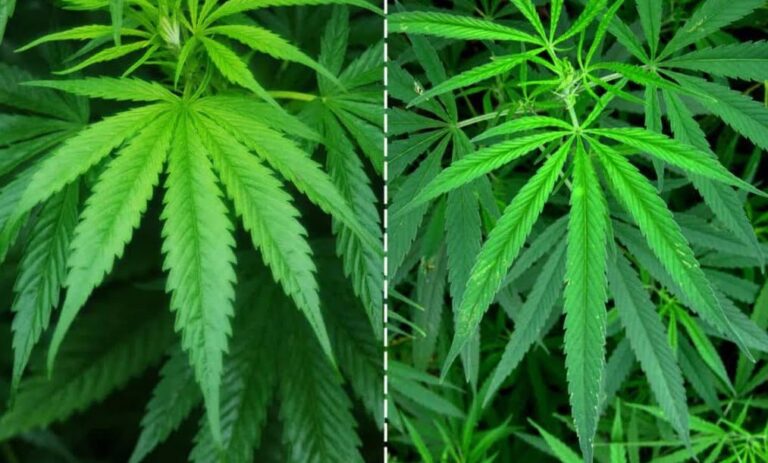
In bush form, the leaves of Sativa plants are thin and long. The leaves of Indicas plants are wider and shorter. Most of the time, the flowers of Sativas grow between the nodes of each branch. It is this phenomenon which explains their shape of clusters and their density. The living conditions of these two plants are notably very different. Unlike Indicas who did not have to struggle to absorb the sun’s rays, Sativas had to adapt to the particular climate around the area of ​​the equator where the periods of sunshine are short, but regular.

What are the health effects?

For therapeutic use, Indica varieties generate analgesic effects. Sativas have a higher ratio between the level of THC and the level of cannabidiol. While Sativa plants optimize brain capacity, Indicas help regulate stress and relax the user. In short, the effects obtained by means of these two varieties of Cannabis are distinguished by the sensations obtained. While one provides more stimulating and energizing effects, the other is, conversely, particularly relaxing. These plants are not consumed in the same setting because of their effects.

What are the aromas?

These two varieties of Cannabis have particular differences in terms of aromas. Floral and tropical, Sativas can be blessed with fruity flavors, but also flavors associated with ammonia. Very often, Indicas have fruity notes and can sometimes be more woody. The aromas differ depending on the variety of plants. Kush strains are characterized by fruity flavors, while hybrid Skunk and Indica strains have a more woody flavor.

Do they have the same flowering rate?

Due to their larger feet, Sativas take longer to flower than Cannabis Indicas varieties. While the Marijuana strains on the market today were designed to flower faster, some landraces need more than 18 weeks to flower. Other strains such as Zamal Sativa take even longer to flower. As for Indicas, they usually flower after 8-10 weeks. Sometimes Sativas can take twice as long for flowering.

Typically, Indica plants produce more than Sativa plants. For your information, some Indica strains such as OG Kush produce much less than other strains. Some varieties of them have been used in particular to make the most famous hash: manala cream and charas.

Strange infection threatens cannabis plants in the United States

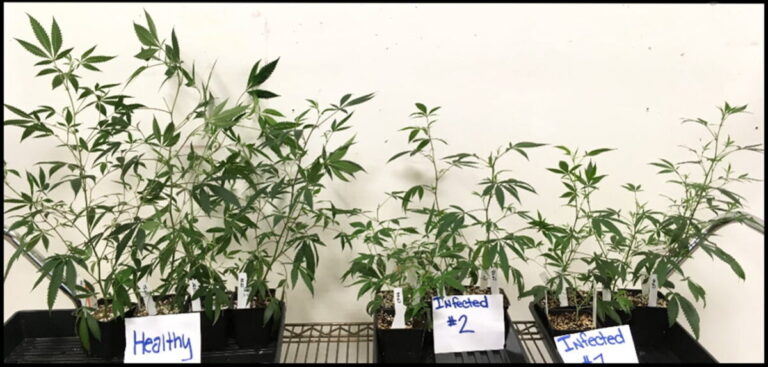
Hops latent viroid, HpLVD worries American growers. This phytovirus is particularly rampant in California, the world capital of plant cloning. Main symptom of an infected plant: there is none. As with covid-19, many cannabis plants can turn out to be asymptomatic, making it difficult to spot.

Then, overnight, the symptoms kick in. They are then manifested by a loss of vigor, a diseased appearance of the plant, a 30% slowing down of growth. And above all, a “Loss of general flowering production by 30% (reduction in flower size and weight, decrease in resin production, decrease in odor, flavor and potency intensity)”, tells us the Humboldt seed bank. In short: fewer flowers, less turnover.

This viroid (smaller than a virus) originates from hops, a plant not so far removed from cannabis. It was then spotted for the first time on a cannabis plant in 2017. A discovery that we owe to Dark Heart Nursery. Researchers from this Californian laboratory then tour the farms to detect HpLVD. The result is striking.

$ 44 million in losses each year

“Most farms had an infection rate of around 25-50%, causing an estimated loss of $ 44 million per year”, indicates the lab. If the losses are so high, it is because there is simply no way to cure a diseased plant. The best a cannabis grower can do is prevent the viroid from spreading even further throughout their farm.

There is only one rule for that: hygiene. If you cut an infected plant with pruning shears, then prune another plane with the same tool, it will be infected too. Humbolt Seeds therefore advises growers of “Thoroughly clean all of your tools intended for pruning the plant”. It will also be necessary to avoid “Touch an infected plant and then touch a healthy one, or leave these two types of plants in contact by friction”.

Some, like 2Fast4Buds still offer to treat infected plants. To do this, he recommends cutting a plan (take a piece of it), then soak it in a solution made up of fungicide and water. Then, you will have to let the cutting create a root, for a few days. Then, soak it again in a water-fungicide solution. But this technique must be tested on one or two plants before being deployed on a large scale.

What are the effects of CBD?

0

CBD, also known as Cannabidiol, is a subject that holds many mysteries for many of us. Derived from the Cannabis plant, CBD is often confused with THC. Overview of its effects on health.

What is Cannabidiol?

By definition, CBD is the abbreviation for Cannabidiol. It is an active substance derived from the hemp plant, also called Cannabis Sativa. This plant contains more than 400 different active substances, including several cannabinoids. Some of the most well-known major cannabinoids include CBD, delta-9-tetrahydrocannabinol (THC), as well as Cannabinol (CBN). How is CBD so different from THC? Spotlight on the major difference between these two components.

The difference between CBD and THC

The main difference between Cannabidiol and THC is simple. Unlike THC, CBD does not alter the consumer’s state of consciousness. Consuming too much THC can cause harmful effects, such as panic or paranoia in the user. Cannabidiol contains several virtues in particular. Moreover, its properties are the subject of a great deal of medical research to treat certain pathologies and diseases of varying severity. Here is a list of the health effects of Cannabidiol.

The effects of CBD on health

Many scientists around the world are researching the health effects of CBD. The anxiolytic properties have already been highlighted in certain experiments to treat mental disorders. Could this molecule be enough to treat anxiety or depression? Cannabidiol makes it possible to regulate the mood of consumers and to act on the symptoms linked to an anxiety attack, but also on the manifestations linked to depression. As part of a therapeutic treatment, Cannabidiol helps relieve other more or less severe ailments.

In particular, more research has been carried out to know the potential of Cannabidiol to fight schizophrenia. Other medical research has also shed light on the effects of Cannabidiol on various pathologies such as acne or multiple sclerosis. Often used as a cream, Cannabidiol helps regulate the effects of acne, which have sebostatic attributes. Like THC, CBD is notably one of the main active ingredients in a treatment administered to patients with multiple sclerosis.

In addition, Cannabidiol can treat other symptoms such as epilepsy, nausea, vomiting, chronic inflammation of the bowel and colon, as well as diabetes. The positive effects of this molecule extend to other diseases. Various studies on the benefits of Cannabidiol on serious diseases such as cancer are currently being carried out in the medical community. Extensive research on the anti-angiogenesis action of this molecule on the development of tumors and the proliferation of cancer cells in the body are also in progress.

CBD for pain relief

Increasingly used in therapeutic programs, Cannabidiol acts on pain and inflammation. By binding to specific receptors in the body such as CB1 and CB2, CBD affects the nervous system’s natural response to pain. To date, its analgesic and anti-inflammatory properties provide relief to millions of patients with chronic inflammatory diseases. Its use in a medical setting generally alleviates the suffering of patients. For researchers-scientists, these studies are essential for the future of Cannabidiol in therapeutic treatments.

On the other hand, the euphoric effects of Cannabidiol help reduce pain and nausea in patients undergoing chemotherapy. While these benefits have been known for many years, further research is needed to confirm these effects. For information, the level of CBD used in these therapeutic treatments is higher than that of products made from hemp marketed in certain shops specializing in the matter.

CBD, also used to fight addictions

To get the same effects from Cannabis, one would need to consume significant amounts of CBD. Therefore, consumers seeking psychoactive effects generally do not resort to Cannabidiol as a substitute for THC. This molecule is nevertheless acclaimed by a large number of addictologists as part of a THC withdrawal program. In addition, Cannabidiol could be very effective for smoking cessation or for dealing with addictions to drugs derived from opiates.

What are the benefits of a CBD herbal tea?

0

What could be better than a little herbal tea to relax? Quite simply, a CBD herbal tea! Two ideal elements to help you relax and feel immense serenity. No need to smoke to experience the benefits of CBD. Choosing an infusion will allow you to know and feel the virtues of CBD on your body and mind. Let’s list in detail the different benefits of a CBD herbal tea.

Hemp and CBD, two perfect ingredients in a herbal tea

Hemp is a plant belonging to the Cannabinaceae family. It is mainly made up of cannabinoids. Among these cannabinoids is cannabidiol, also called CBD. There are two quite distinct hemp: legal hemp (cannabis sativa) and “Indian” hemp (cannabis indica). Cannabis indica, better known as marijuana, is used for its recreational benefits and is illegal in France. Cannabis sativa, on the other hand, is legal in France because it contains less than 0.2% THC, it does not cause any psychotropic effects in consumers.

CBD is found in large quantities in cannabis plants and is found, in its purest form, in the form of crystals. For several years now, the consumption of CBD has democratized. Many people smoke CBD, cook with CBD, or more often than not consume CBD in the form of oil. It is possible, in specialty stores and on websites selling CBD, to find herbal teas containing a certain dose of cannabidiol. Herbal teas are known to provide benefits to our body for several hours.

CBD infusion, benefits for body and soul

Consuming CBD, without smoking, is about taking care of yourself. It is important to respect the doses indicated by professionals to feel the ideal effect and especially to soothe your ailments. You can choose the form you prefer: oil, CBD flowers, herbal tea … Without CBD, a herbal tea is there to relax you and you associate the fact of drinking an herbal tea with a calm moment. Adding CBD as a new ingredient will help affirm the relaxation present in your body during your tasting.

Soothe his pains and ailments

Numerous scientific studies have succeeded in proving that CBD acts on pain. Used as an anti-pain in the face of many diseases or heavy treatments, CBD in the form of herbal tea will allow you to reduce your joint, muscle, bone or chronic pain. On a daily basis, it can change your life. Some like to inhale CBD oil in order to experience its benefits. However, it is good to know that a cannabidiol-based herbal tea will have a longer effect on your body and therefore, relieve your pain for longer.

Relieve digestive disorders

People suffering from digestive disorders on a daily basis know that herbal tea is a very good ally. By mixing the benefits of herbal tea and those of CBD, the relief is increased tenfold! Why is CBD so effective for digestive disorders? Within the digestive tract are endocannabinoid receptors. When you drink a CBD herbal tea, the components of this herbal tea will be particularly effective in your digestive tract. Thus, your digestion will be easier, your cramps will decrease, your heartburn and your acid reflux too. If you suffer from constipation, you will experience some relief shortly after drinking your herbal tea.

Help your organization

Thanks to this same endocannabinoid system, people suffering from multiple sclerosis, arthritis, irritable bowel syndrome… will succeed in relieving their ailments. CBD has anti-inflammatory properties that will relieve the symptoms of these different diseases. In the form of an infusion, the ideal form, the immune system will be strengthened and inflammation will decrease. The daily life of people suffering from these various ailments will be much calmer in terms of pain.

Reduce stress and anxiety

Most of the time, people who use CBD seek to soothe and reduce stress. The very anxious already know that CBD infusions are ideal to accompany them throughout the day. Taken on a recurring basis or only when major sources of stress appear, a CBD herbal tea will bring relaxation and relaxation. Drinking a good herbal tea allows you to live a pleasant moment to find your inner serenity. Taken in a quiet corner with soft music, the effects are felt even faster.

How To Use CBD Other Than By Smoking It

0

In recent years, cannabidiol or CBD has taken center stage in many countries, including France. More and more consumed by individuals, hemp-based products come in many forms and can be consumed in different ways. Spotlight on the ways in which this molecule is used, which is as intriguing as it is unique.

Know how to distinguish CBD from THC

According to scientists, all humans have so-called cannabinoid receptors in the brain. Therefore, it implies more or less important actions of the cannabinoids present in the hemp plant on the organism. While THC, delta-9-tetrahydrocannabino, is quite well known to the general public, some still confuse CBD with THC. They are, however, two completely different molecules found in cannabis plants.

While THC is responsible for the high and soaring effects that result from cannabis consumption, CBD has nothing to do with it. Thanks to numerous studies carried out on this subject, researchers-scientists have affirmed that CBD has no psychotropic effects in the consumer. This molecule, which is increasingly coveted by industries, does not cause dependence, narcotic effects, or other notorious side effects. Thus, this molecule does not belong to the category of narcotics. For your information, CBD is the second most naturally occurring cannabinoid in the cannabis plant.

CBD, a star molecule in the cannabis market

In recent years, cannabidiol has been exploited by many specialists in the field to make all kinds of products such as oils, care creams, pastes and many more. Derived from the Cannabis sativa plant, CBD is a particularly used organic molecule that tends to become more popular on the cannabis market in the years to come and in many countries, including France. Although cannabidiol is democratizing at great speed in the world, here are several insights on the different ways to consume this component extracted from the cannabis plant, without smoking it.

Focus on the different ways of consuming CBD

Marketed in many shops specializing in cannabidiol-based products, some are wondering how to consume this molecule with beneficial properties. As mysterious as it is complex, CBD can be consumed in a variety of ways by individuals. So how can CBD be consumed?

In capsules or capsules

The most common way to consume cannabidiol is by mouth. Like a medicine, hard capsules or capsules are dissolved in the stomach upon ingestion. This method of consuming this molecule is particularly practical and effective. However, the anti-inflammatory and relaxing properties are slower to manifest, due to the rather slow absorption of cannabinoids by the body.

As a hot drink

Similar to hashish, CBD paste or resin can be used in several ways. This form of CBD can be consumed in a hot drink such as herbal tea. There are also ready-made CBD sachets. Cannabidiol infusions are a natural and healthier alternative to inhaling. Infusing cannabidiol is easy, quick and economical. This mode of consumption makes it possible to take advantage of all the properties of hemp.

In the form of oils

A large number of professionals today offer a multitude of oils based on CBD. These oils are intended for different uses. For some time now, CBD oil has been found in body and face creams. This type of product allows the active ingredients of the plant to penetrate through the skin. CBD oil can also be ingested orally. This mode of consumption has faster effects on the body.

By pouring a few drops under the tongue with a pipette, the CBD is quickly absorbed by the mucous membranes. When takingCBD oil, cannabidiol must be left to act for a few moments in the mouth, so that it is absorbed by the mucous membranes. This mode of administration makes it possible to obtain relaxing effects. In short, all CBD-based products are strictly regulated by the effective French legislation on the matter. The law enacted by the government imposes a THC level not exceeding 0.2%.

Kanabo buys Materia and becomes Europe’s largest public cannabis company

Kanabo, the first medical cannabis company to be listed on the London Stock Exchange, has confirmed the acquisition of Materia, a medical cannabis and wellness company focused on the European market.

Materia is well established in the European market, with subsidiaries in Malta, Germany and the United Kingdom. After the acquisition, Kanabo will control production, from the initial sourcing of raw materials and in-house manufacturing, to distribution to pharmacies and to the end consumer. This includes direct entry into Germany, whose market size was over 200 million euros last year, and is expected to remain the dominant market as the European market grows to reach an expected total size of 3, 2 billion euros by 2025 according to Prohibition Partners.

Deepak Anand, CEO of Materia, said: “We are very happy to join forces with the Kanabo team. As the first medical cannabis company approved to be listed on the London Stock Exchange, Kanabo’s ambition to be a market leader matches our own and we believe our combined infrastructure will generate significant value for our shareholders, partners. , clients and patients. “

Strong synergies

Materia’s Maltese subsidiary operates a state-of-the-art EU-GMP certified facility, strategically positioned for the processing of medical cannabis flower and oils.

Thanks to this facility, Materia Malta is able to import cannabis flower from its global network of growers and transform it into EU GMP certified medical cannabis for subsequent export to distributors in Europe. Materia Malta also intends to use its facilities and know-how to produce medical cannabis extracts. The facility’s current flower production capacity is 6,000 kg per year, representing a potential sale value of EUR 36 million based on a combined average sale price in several key European markets.

Kanabo was one of the first cannabis companies to be listed on the London Stock Exchange earlier this year. Its flagship product is the VapePod, which delivers measured doses of medical cannabis extracts via a high-tech vaporizer.

Kanabo’s research will be marketed through Materia, including formulations developed for Kanabo’s VapePod device intended to treat specific medical problems such as insomnia, post-traumatic stress disorder, neuropathic pain and anxiety.

In Germany, the largest European medical cannabis market, Materia has pharmaceutical wholesaler status, which allows it to import and sell medical cannabis products to German pharmacies. Materia has made deals with numerous suppliers and has been distributing its medical cannabis portfolio to pharmacies for over a year.

In addition, Materia’s UK subsidiary operates in the wellness sector as a distribution platform, selling several top brands through Handpicked CBD, one of the largest e-commerce marketplaces in CBD in the UK. Kanabo will rely on Handpicked CBD to acquire customers for its own line of CBD products and to fuel its future pipeline of innovations.

This acquisition will allow Kanabo to build on the significant progress made this year, including a supply agreement with the Greek cultivation facility Hellenic Dynamic, a new EU-GMP production line in partnership with Pure Origin and an agreement with PharmaCann for a one-of-a-kind production line for VapePod cartridges.

The company also recently announced the expansion of its partnership with the LYPHE Group, facilitating the delivery of Kanabo’s medicinal cannabis formula to the UK this month.

Peru: Congress authorizes associative self-cultivation of medical cannabis

The Peruvian Congress has approved a bill that now allows patient associations registered in the official registry to cultivate cannabis for medical use. Peru legalized medical cannabis in 2017.

The Plenary Assembly of the Congress of the Republic of Peru approved the incorporation and modification of the articles of Law 30681, which regulates the medicinal and therapeutic use of cannabis and its derivatives, thus guaranteeing access to those who use it. need.

The initiative was presented by members of Congress Rocío Silva Santiesteban, Alberto de Belaunde de Cárdenas, Daniel Olivares, Daniel Urresti and Luis Andrés Roel.

With 100 votes for, zero against and four abstentions, the national representation approved the replacement text of PL 6532 on the first vote.

What does the self-cultivation of medicinal cannabis in Peru allow?

The new proposal amends the Criminal Code and the previous law and adds:

  • that persons registered in the National Registry of Cannabis Users (or their representatives) can form associations and obtain a license to cultivate the plant
  • that access to cannabis is guaranteed to patients who need it without the cost being a barrier
  • that the associative culture be regulated by the State of Peru
  • that patients and relatives who today already produce their own plant derivatives stop being criminalized

According to Daniel Urresti, head of the Defense Commission, this new regulation will benefit more than 50,000 people.

How to recognize CBD flowers and not to confuse them with cannabis?

0

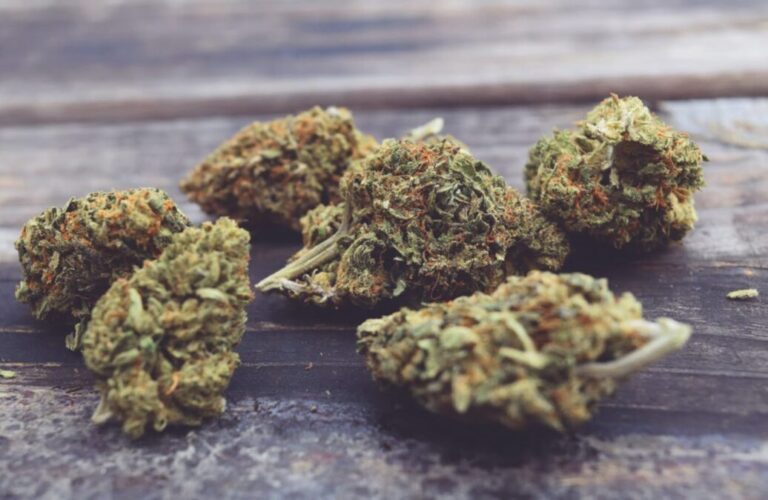
Today, it is possible in France to buy CBD flowers in stores or on the Internet. It is legal to obtain CBD or CBD products, as long as the level of THC present in these products does not exceed 0.2%. When you don’t know much about products, CBD and cannabis in general, you often wonder how to tell the difference between CBD flowers and cannabis? It is possible that you are afraid of buying the wrong product, for this we will explain how to recognize CBD flowers, and not to confuse them with cannabis.

The CBD flower and the cannabis flower: two different varieties

It is important to remember that the CBD flower and the cannabis flower are very different. The CBD flower has a low THC content, this is the big difference with the cannabis flower, and this is what makes it legal in France. Cannabis and its flower will have a high THC content. This particular cannabinoid is a substance that alters the mind of the consumer. Because of THC, cannabis is illegal in France, consumers put their health at risk. CBD is not going to have a bad impact on a person’s mind by consuming it from time to time, or even regularly.

In France, it is possible to cultivate, import and use the CBD flower under certain conditions. In recent years, many specialized stores and websites dedicated to this product have emerged. The French let themselves be tempted and discover thanks to different products the benefits of CBD on their bodies. If you want to consume CBD, you can buy CBD flowers, but also products already processed and consumable directly: CBD oil, CBD infusion, CBD e-liquid for electronic cigarettes …

CBD flowers: flowers from hemp

What exactly are CBD flowers? First of all, you have to understand that CBD comes from hemp, a plant that is very well known in the industrial world. At the time, many clothes were made from hemp. There are two types of hemp, two genera: male plants and female plants. The flowers come from the female plants. Once ripe, they are harvested, cleaned and ready to sell.

Of course, for CBD to be marketed legally, the production chain is studied and controlled from A to Z. It is essential that the finished product complies with the public health code. Thanks to these controls, the THC content is kept at less than 0.2%. If you buy CBD legally, you can be sure that you are not consuming too much THC. CBD flowers are cannabis flowers without THC, period.

CBD is not considered a drug

Cannabis is a drug, so are cannabis flowers. They are consumed for recreational purposes. A cannabis user will experience effects that can alter his mind, these effects come from the presence of THC, a rate much higher than 0.2%. This rate classifies this substance as a drug.

Another cannabinoid found in cannabis is CBD, cannabidiol. In CBD flowers, only this substance is present. It is safe for consumers, does not create any addiction and above all, does not alter the mind. It is not considered a drug.

The benefits of CBD flowers on our body

CBD is gaining more and more followers every year. Now that it is legal in France to buy and consume it, and that the French know that CBD is not a drug, has no psychotropic effect, it is of increasing interest. So why do the French like to consume CBD? Quite simply, because it brings many benefits and has positive effects on the human body and the mind. Numerous articles on the web and testimonials from people taking CBD daily praise the benefits of CBD.

CBD flowers have many properties that can bring you well-being in your daily life. They can be consumed to treat sleep disorders, to fight against anxiety and anxiety attacks, to reduce stress. For chronic pain and inflammation, CBD provides a lot of relief, and this, in a natural way, without taking medication. If you are on treatment, you can take CBD, if your doctor agrees, but be aware that CBD will not replace a treatment given upstream, so it is important not to stop it. CBD is not miraculous, it brings relief and may allow you to relax and will not help you heal.

Quebec: the ban on cannabis autoculture will go to the Supreme Court of Canada

It is soon the end of a (very) long court case that began in September 2019, that Newsweed follows diligently. Jannick Murray-Hall, in his thirties, wants Quebecers to have the right to grow cannabis in their homes. Problem: the law of the province of Quebec prohibits it. An incongruity, since in the rest of Canada (except Manitoba), it is allowed to grow four plants at home.

This affair is a waltz in a thousand times. First, Jannick Murray-Hall is convicted at first instance. Then this judgment is quashed by the Superior Court of Quebec. But the government appeals, and challenges the decision. The case therefore arrives before the Court of Appeal of Quebec, the highest court in the province. And the three judges finally agree with the government… and the self-cultivator must therefore be condemned.

It’s finish ? No. Not yet. “We’re getting ready for the third round: the Supreme Court of Canada! We keep you informed of any development », announces Murray-Hall’s lawyer, Maxime Guérin, on Facebook.

The accused is also the founder of Gorafi Quebecois

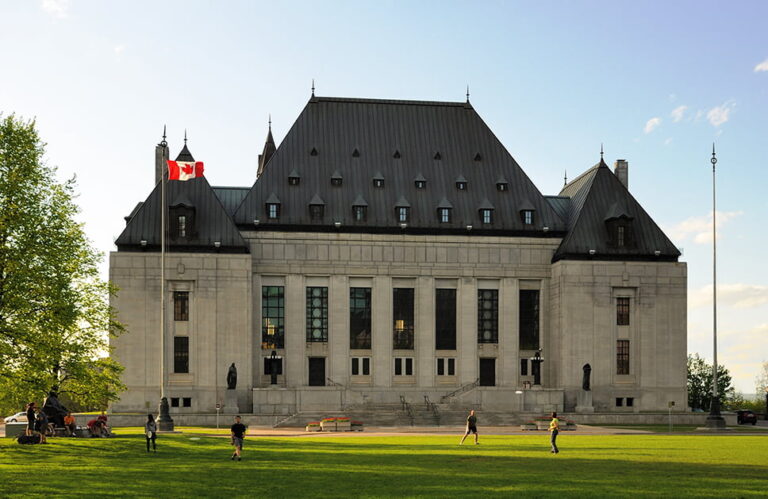
The case will therefore come to the Supreme Court of Canada. This time, it is certain: it is the last step. The Court, located in the capital Ottawa, is Canada’s highest court. When it renders a decision, it is automatically final. Jannick Murray-Hall will not have time to challenge it.

This case has become emblematic. On the one hand, by its length and its many twists and turns. On the other hand, because in the event of victory, Quebecers will be able to grow four cannabis plants at home. A measure eagerly awaited by lovers of pot – as they say there – who feel discriminated against compared to other Canadians. They can grow legally.

Finally, the case is also emblematic by the figure of the main accused. Jannick Murray-Hall is no stranger to Quebec. On the contrary. He is also the founder of Journal of Mourréal, a site parodying the sensationalist side of the tabloid The Journal de Montreal. But Gorafi Quebecois was forced to close in 2019, following complaints filed by the Montreal daily. Jannick Murray-Hall therefore has a revenge to take with justice, and intends to pocket a victory.