Home Blog Page 119

What are the benefits of CBD?

0

Cannabidiol has often been in the news for a few years now. He regularly suffers from a comparison to narcotics, yet CBD is not a drug. The latter rather has virtues on health, far from the recreational use associated with joint smokers.

CBD suffers from a bad picture

Derived from the cannabis plant, cannabidiol is causing controversy even in France and in other countries. His image is most likely tarnished by a collective lack of information about him. Indeed, many confuse, in their imagination, CBD flowers and flowers containing a dose of tetrahydrocannabinol (THC) making them illegal. It is also this cannabis molecule that prevents the sale and consumption of cannabis in France. The same goes for the smell of the CBD flower which is similar to the smell of “weed“. However, CBD is not an illegal or recreational substance and that is why CBD is permitted for sale in specialist shops.

Thus, products derived from the cannabidiol molecule are not prohibited. Sometimes even the use and consumption of CBD can be recommended for many situations. Having nothing to do with a soft drug, CBD is simply an extract from a plant like any other and having certain beneficial effects on health. In this way, CBD is regularly consumed to take advantage of these active ingredients which act on certain points of health. Just as it is possible to consume ginseng to improve these mental and physical abilities.

The consumption of CBD and its benefits

For several years, CBD has been subjected to scientific tests to detect its components. Therapeutic virtues having been found, CBD is now used in medicine for the relief of patients and for the treatment of certain diseases. In France, a clinical trial was recently launched with patients suffering from serious illnesses, with strict medical monitoring, to draw conclusions on the benefits it provides to them. Here are a few examples that relate to the health benefits of CBD.

Natural anti-inflammatory effects

CBD has been shown to have anti-inflammatory effects on the body when used. Moreover, it is the same for the whole family of cannabinoids. Consumed in the form of food supplements by athletes and others, cannabidiol acts for the relief of muscle and joint pain and all forms of inflammation. Thus, when inflammatory pain occurs, cannabidiol helps relieve them. It is also possible to combine CBD with other plants that have anti-inflammatory properties for even more effective relief.

Painkiller effects

Cannabidiol has analgesic and anxiolytic properties according to a study carried out in 2019. According to these researchers, CBD would even be just as effective as a generic painkiller. Thus, CBD can be consumed to calm any kind of pain or to prevent a ailments any.

CBD acts on the system immune

Our brain is made up of many sensors for cannabinoids either consumed or directly produced by our body. Thus, CBD acts on the immune system in order to balance it. During an imbalance linked to autoimmune diseases, inflammation or other chronic diseases, the consumption of CBD will help to regulate and balance the immune system, but it will also support it.

Fight against stress and anxiety

Possessing anxiolytic effects, cannabidiol is effective in helping a person’s body to fight stress or anxiety. Moreover, these can be dangerous for the body in the long term. In this way, CBD helps to relax and to relax. Consuming CBD is ideal for people who suffer from stress or regular anxieties. Additionally, CBD is frequently used in the treatment of depression.

CBD calms disorders neurological

The strength of CBD is that it does not have properties that make people addicted to it. consumes. Its other strength lies in the relief of certain neurological disorders. CBD acts, in a way, as a sedative on certain neurological aspects, helping to prevent, and even relieve, people who have a seizure, for example. Cannabidiol also acts on the agitations associated with Parkinson’s disease. Studies have also been done to prove the effectiveness of CBD in relieving the various symptoms of schizophrenia.

Cannabidiol prevents degeneration

Acting on the cerebral system in a preventive manner, cannabidiol has properties which make it possible to delay the onset of degenerative diseases. It even has abilities to relieve the symptoms of certain diseases and reduce the rate of development of the latter. CBD works directly in the cerebrovascular system to fight against various lesions. In this way, cannabidiol protects the brain from certain diseases just as it works as a prevention for neurodegenerative diseases.

The use of cannabidiol

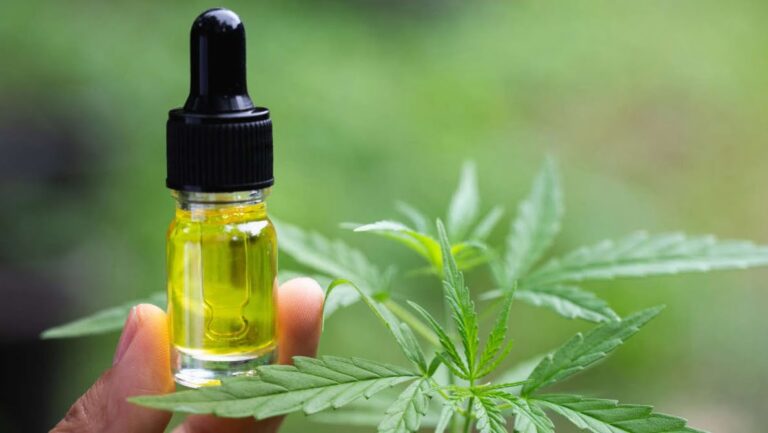
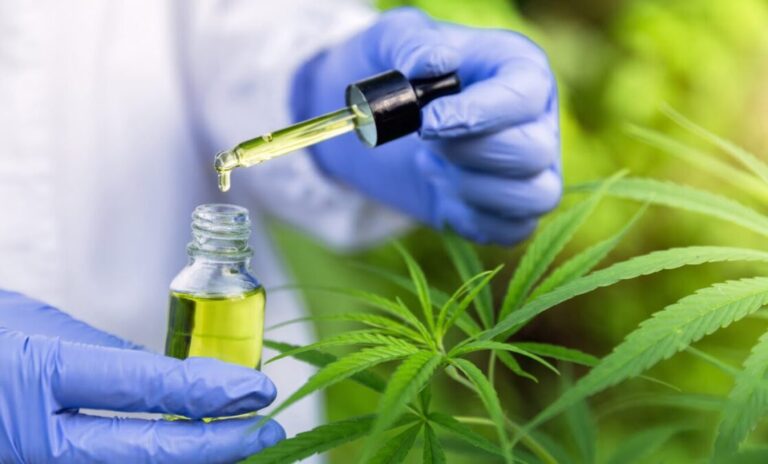
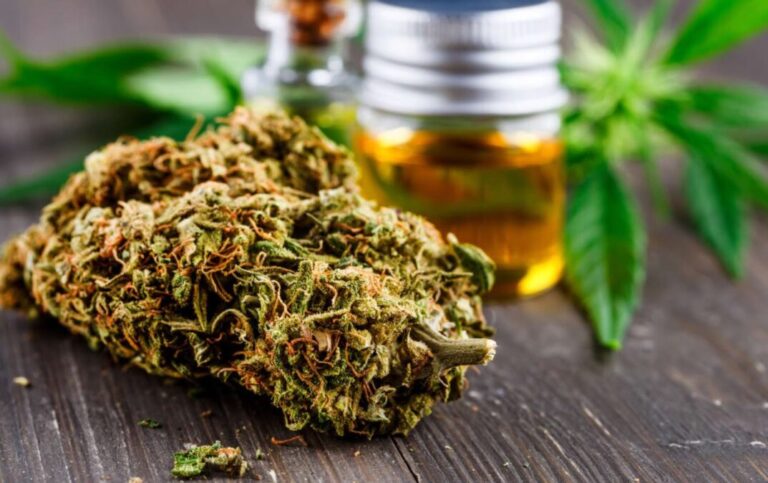
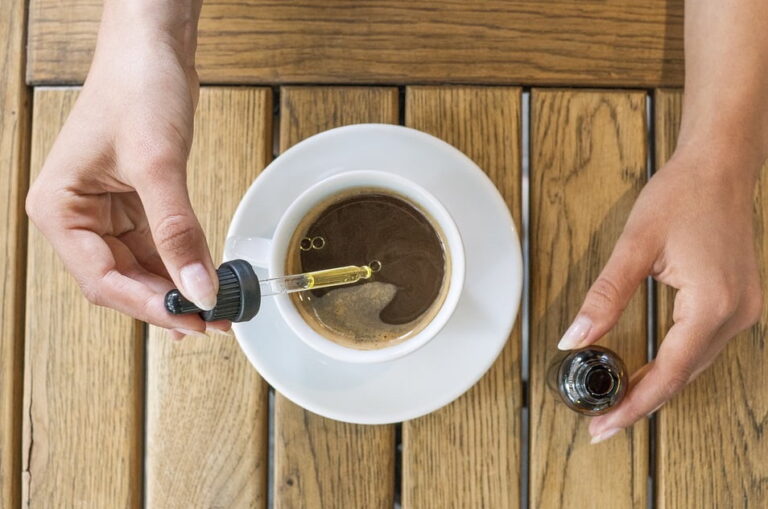
In France, it is possible to find CBD in different forms. It is possible to find it in the form of an oil that can be integrated into food, and even in the composition of beauty products. The oil is one of the favorite forms of the French for consuming CBD. Then cannabidiol is also available in the form of a dried flower. Generally, these dried flowers are used for the consumption of CBD herbal tea. Some prefer to smoke it instead. However, these CBD flowers are also used for making food supplements that can be found in the form of tablets. CBD crystals also exist, it is the purest form of CBD containing a high dose of cannabidiol. Mainly, these CBD crystals are used in cooking, and even for making pastries.


Will Barcelona have to close its Cannabis Clubs?

The Cannabis Social Club model, consolidated in Barcelona over the past decade, could see its days numbered. The courts overturned a regulation approved by the city council in 2016 that governed the more than 200 such premises in the city. With this decision, confirmed by the Supreme Court, the last legal umbrella left to these spaces has disappeared.

The TSJC, or in other words, the High Court of Justice of Catalonia, has ruled that cannabis associations can only function as private clubs and cannot promote the use and consumption of cannabis, nor its sale. or its culture.

Barcelona cannabis associations in the spotlight of the inspection

In 2016, Barcelona City Council approved a “special urban plan” in which cannabis associations were ordered territorially. The objective was to reduce the nuisance for the neighborhood and to avoid concentrating the Clubs to improve coexistence with the population.

This territorial organization of the Barcelona City Council was annulled by the Court of Justice of Catalonia on the grounds that no municipality is competent to create a regulation of this nature “not even from the point of view of town planning, because it considers that these are spaces liable to commit crimes ”. The city council lodged an appeal in cassation with the Spanish Supreme Court, which in April rejected the appeal lodged by the city council.

Now, in order to enforce the law, Barcelona city council will have to inspect and control these cannabis associations. The first to be inspected will be the clubs that have the most negative impact, namely those that focus on tourists and large-scale sales. Then the self-consumption associations and other consumer groups will follow on the list of inspections.

In turn, these cannabis associations will be informed by letter of the current situation. The Catalan City Council has created an internal working group in the fields of “legal services, health, safety and town planning” in order to compile the various proposals for amending the law at the Spanish state level and the region, which will be studied by the two authorities.

CATFAC calls for dialogue between all stakeholders

The Cannabis Associations of Catalonia (CATFAC) regret the decision of the High Court of Catalonia which obliges them to operate as private cannabis clubs and not to be able to promote the consumption, cultivation or sale of cannabis.

CATFAC was keen to make its position clear and said: “We have come to stay and we will stay”. For the Federation of Cannabis Associations of Catalonia, this setback of the courts would be a “new legal attack” against its activities, and it calls for “dialogue and courage” on the part of the Barcelona City Council to give a “coordinated response” to this question so deeply rooted in the city.

CATFAC calls for firmness in the face of the state’s inaction “We ask all political representatives to use all democratic tools to reverse this situation. Do not give in to the state’s inaction. If there is a time to be brave, it is now, and regulating cannabis associations today is an urgent matter ”.

“Once again, the judiciary charges cannabis associations without taking into account the social reality of the city of Barcelona, ​​which has lived with these entities for over 30 years,” complains the Federation of Cannabis Associations. “Instead of analyzing a model clearly aimed at achieving human security, it once again applies its punitive strategy of repression and annihilation of an internationally recognized and pioneering model of access to cannabis in Europe”.

“From now on, we will not stand idly by and we will respond actively to the repressive machine until we obtain the recognition of an acquired right”, they conclude.

Barcelona Cannabis Clubs

Cannabis associations in Barcelona have been present in the cityscape for over a decade. On several occasions, through the intermediary of the Catalan government or the city of Barcelona itself, formulas have been sought so that this type of association can remain legal.

But sometimes for legal reasons, and other times because they do not fall under the competences of the regulatory institution, this type of clubs or associations could not be legalized and continue to remain in a kind of “legal limbo”. Today, the Superior Court of Catalonia has annulled an initiative of the Barcelona City Council and encourages it to inspect this type of associations.

The same court ruling states that these associations should not be allowed to promote the consumption, cultivation or sale of cannabis. This decision of the TSJC did not please the cannabis associations grouped together in its Federation, which for years demanded the regulation of this type of groups.

The city of Barcelona is the city with the most cannabis associations in Spain. It is also an international point of reference for many tourists who visit the city and seek access to cannabis.

No more cannabis seizures at New York airports

Police at Albany International Airport and other major airports in New York State will no longer make arrests, tickets or seizures for possession of small amounts of cannabis (less than 3 ounces or 84 grams) by travelers.

This new policy is one of the consequences of New York’s recent legalization of cannabis for adult use.

According to Bart R. Johnson, former state police colonel and current director of federal security for 15 airports in upstate New York, “we don’t get it. [le cannabis]. We’re just looking for threats – explosives, knives, guns; we are not looking for illegally possessed narcotics. “

On the contrary, if a suspected illegal substance is discovered during the search for contraband linked to a threat by TSA agents, “we inform the police.”

Agents of the TSA, a federal agency, are required to notify local law enforcement when they encounter an illegal substance, and cannabis remains federally banned. But cannabis has been legalized in New York City, and Albany County Sheriff Craig Apple has said that if a passenger is found to be carrying cannabis, officers will no longer take action unless the amount of cannabis appears to exceed the state’s three-ounce possession limit.

“We’re not taking any more,” Craig Apple told the Times Union. “It’s legal if it’s not more than three ounces and, hey, have a nice day.”

This change follows similar policy changes in other post-Prohibition states. In 2018, LAX officials in Los Angeles announced that the airport would allow the possession of cannabis by travelers. Las Vegas has done the same for travelers leaving the state.

Last January, Chicago airports set up so-called “cannabis amnesty” boxes (mansety box) where travelers can drop off their cannabis they were carrying before going through security.

Is CBD Marijuana?

0

In the world of botany, hemp, cannabis and marijuana belong to the same species. The difference between hemp and cannabis comes from the THC content. A strain with less than 0.2% THC will be called hemp, while a strain with more than 0.2% THC will be called cannabis. Marijuana or marihuana, know that only the writing changes, not the meaning. Marijuana is a narcotic made from Indian hemp. In this hemp, several cannabinoids are present, including cannabidiol, also called CBD. All of these plants are the same species, so are they all drugs? And the cannabinoids that are extracted from them, are they considered narcotics?

The difference between CBD and marijuana

The term marijuana is a slang for the cannabis plant used for medicinal or recreational purposes. Regardless of the term used, marijuana, hemp or cannabis, it is important to know that we are talking about the same original plant: Cannabis Sativa L. The term hemp, on the other hand, is suitable when the cannabis plant is used industrially. . Once you understand what these three terms mean, it’s important to understand what CBD is.

Within the cannabis plant are 100 different substances. These substances are called phytocannabinoids. Among these substances are two more famous than the others: CBD and THC. CBD is the one that will interest us, because it is on the rise right now. CBD, cannabidiol, is a non-psychoactive molecule.

Is CBD considered a drug?

Some products are considered drugs in France. It is forbidden to consume, hold and sell these products. Arranged in four categories, cannabis is part of the psychotropic hallucinogenic drugs and other psychedelics. The other categories are sedating barbiturates, natural and synthetic opioids, and stimulants. CBD comes from cannabis, but does not have the same effects as cannabis on our body. As this substance is non-psychoactive, it will not cause hallucinations or other side effects. In the cannabis plant, it is the THC that acts as a psychotropic agent.

When you purchase CBD products, some may contain THC. In France and Europe, the dose of THC is regulated. Products sold legally will contain less than 0.2% THC.

CBD and THC: two very different cannabinoids

THC, tetrahydrocannabinol, is the active substance present in cannabis which will bring psychotropic effects to the consumer. When a person who uses cannabis says they are “high” or “high”, it comes from that particular molecule. Recreational cannabis contains THC and is prohibited for sale in France. CBD is a whole different molecule. It is nothing like THC even though it comes from the same plant. CBD may have a sedative effect and relaxing properties, but will not have a psychotropic effect. By consuming CBD, you cannot feel “stoned”, you will only feel calmer and relax.

Legal CBD in France

Cannabis and THC are prohibited by French law. CBD, no. In France, the sale of CBD is authorized in several forms, its purchase and consumption too. You can get them in specialized stores and on many e-shops. To appeal to current and future consumers, various CBD-based products are offered: CBD oil, CBD-based e-liquid for electronic cigarettes, cosmetics, chewing gum, flowers of CBD… However, for these products to be sold and consumed legally, the THC level must be below 0.2%.

The virtues of CBD on our health?

CBD is increasingly popular with the French. Stores are opening in all major cities, and e-commerce sites specializing in CBD products are starting to flourish. Why such a craze for cannabidiol? Quite simply thanks to its many virtues. Studies have been carried out, CBD can be used as a medicine or a relaxant. During stress and anxiety attacks, consuming CBD in oil or other form can help. It can also help people with epilepsy, inflammatory pain, nausea, migraines and insomnia. Of course, like any substance, you must follow the doses recommended on the products or by your doctor.

Smoking CBD: the impact on our health

In “smoking CBD”, there is “smoking”. While smoking CBD will be less harmful to your body than smoking cannabis, it is still harmful to your health. When you smoke, you smoke tobacco. Tobacco is and will remain a major risk factor for oncological, cardiovascular and respiratory diseases… CBD is sold in several forms, including forms that do not require tobacco while taking. By choosing CBD oil, you are preserving your health while enjoying the benefits of this substance.

The International Athletics Federation in favor of a change in the status of cannabis

The British President of the International Athletics Federation (World Athletics), Sebastian Coe, said he was in favor of changing the status of cannabis on the list of prohibited substances after the suspension of American sprinter Sha’Carri Richardson, who deprived her of the Olympics.

Asked about the possibility of reviewing the status of cannabis on the World Anti-Doping Agency’s list of prohibited substances, Sebastian Coe replied that “it should be. It’s reasonable. Nothing is set in stone. From time to time, we adapt and reassess ”.

Sebastian Coe took the opportunity to express his sympathy for Sha’Carri Richardson, feeling sorry for having “lost an exceptional talent”.

Double Olympic champion of the 1500, the president of World Athletics admitted that the current anti-doping rules were applied correctly in his case.

“I don’t want to sound like Joe Biden,” Coe said, referring to the President’s sympathetic yet realistic comments on Richardson, “but the rules are the rules and that’s how they’ve been interpreted. “

After the London Olympics in 2012, the threshold for what constitutes a positive cannabis test was relaxed in an effort to ensure that only use in competition is detected. WADA’s rule, which turns out not to change due to lack of American support, can be changed again.

“I think it’s an opportune moment to review this status,” said Sebastien Coe. “IAU [(Athletics Integrity Uni)t] will examine the matter in the light of the current circumstances ”.

WADA updates the prohibited list every year. A change could come for the 2022 season, an opportune moment for the United States. The 2022 World Athletics Championships will be the first to be held in the United States. And Richardson will be among the favorites.

Is THC in CBD detectable in the blood?

0

Also known as cannabidiol, CBD is a molecule extracted from the cannabis plant. More and more popular for its relaxing properties, many of us wonder if the THC of this substance is detectable in the blood. Here are several insights into this cannabinoid naturally found in cannabis plants.

CBD, a popular cannabinoid

Like other cannabinoids, CBD is made from different kinds of cannabis plants, such as Sativa L. Cannabidiol is one of the cannabinoids extracted by expert botanists. Well known to the general public, CBD is not considered a narcotic due to its low THC content in its natural state. Cannabidiol has no psychotropic effect on the consumer and allows you to benefit from the properties of hemp, without the “high” or soaring effect.

Also nicknamed “therapeutic cannabis”, CBD is currently the subject of a myriad of studies carried out in France by scientific researchers as part of a medical experiment. Although this molecule is democratizing at great speed in the world, some wonder if the amount of THC contained in this molecule is detectable during a cannabis screening test. So what is it really?

How can THC be detected?

Cannabidiol users often ask themselves this question: is the THC in CBD-derived products detectable in the context of an anti-drug roadside check? First of all, you should know that a drug test during a roadside check is not intended to detect CBD, but THC (delta-9-tetrahydrocannabinol), a psychotropic substance contained in cannabis plants.

The special tests for cannabidiol come mainly in the form of urine or saliva tests, hair analyzes and many more. Cannabidiol-based products, in the form of e-liquids, oils, crystals or even food, can in rare cases cause a positive result in the screening test, due to their too high THC level. . You should know that in CBD products, the THC level is normally very low, but it is potentially detectable from a certain threshold.

Nonetheless, it is almost impossible that a product containing a low level of CBD can provide a positive THC test unless the THC concentration does not match that stated on the product. For information, French legislation in this area allows a maximum THC level of 0.2%. Beyond this limit rate set by law, the products are considered illegal in France.

Focus on the different types of cannabis screening

Several kinds of cannabis screening tests exist today. When the body takes in THC, the molecule can be detected for a long time, and depending on the nature of the test. Here is some information on how long it is possible to test positive for THC:

Blood test

Most of the time, blood tests are done in the lab. THC consumption via this type of test can be detected for 2 and 8 hours with occasional use (up to 72 hours for a THC-COOH test), and up to one month if consumption is frequent. (up to more than a month after the last consumption with a THC-COOH test).

Urine test

Overall a urine test will have a much longer detection time. The duration varies depending on the amount of THC absorbed by the consumer’s body. The higher the amount of THC, the longer the duration will be. For the heaviest cannabis users, this period can extend up to several months.

Saliva test

Generally, THC has a fairly short detection time in saliva. This type of test can potentially be positive between 4 hours and 6 hours after smoking a joint or consuming a cannabidiol product, the THC level of which is detectable by the test. In this case, it depends on the THC concentration and the metabolism of the user. The main reason for this phenomenon is that THC binds to fat. Therefore, its elimination time can be very long.

Hair test

Among the most reliable tests performed today, hair tests stand out from the crowd. You should know that THC can be detected up to 90 days after absorption through this type of drug test.

In short, consumers are strongly advised to ensure that CBD-based products are of high quality and that their production method is carried out properly, in order to guard against unpleasant surprises during a roadside check.

How is CBD made to have so little THC?

0

For several years now, CBD has become a very popular and popular product. Its characteristics fascinate and its benefits please. In France, this product is legal for sale. You can find them in specialized stores or on e-commerce sites. CBD is legal because it is non-psychoactive. Its low THC content, less than 0.2%, allows it not to be considered a drug. How can CBD, from cannabis, have so little THC?

The CBD flower, a flower produced with a low level of THC

The only legal CBD in France and Europe is CBD which does not contain more than 0.2% THC. Without THC, CBD has no psychoactive effect. If you consume it, you are not going to feel “stoned” or hallucinate. CBD is not considered a drug, it only provides relaxing benefits. Yet CBD and THC are two cannabinoids that come from the cannabis plant. The question arises: how can you consume CBD that contains so little THC?

It will simply depend on the strain of cannabis selected. Some strains are going to be very high in THC and some very low. The strains with a lot of CBD and little THC are new strains that have been created in order to meet market demand. A demand that has exploded in recent years. Let’s go further, how were these varieties created? It’s about genetics. The enzymes of the cannabis plant are there to determine whether or not the plant will be rich in THC and CBD. To improve the level of CBD, it is possible to cross two varieties: a variety with a low THC content and one with a high CBD content. Many growers have opted for this solution in order to create quality CBD, others have chosen the hemp option. Indeed, it is also possible to cross cannabis with hemp, to lower THC levels.

The effects of CBD on our body

People who have smoked cannabis in their lifetime will feel like they don’t feel anything when consuming CBD. It’s normal ! CBD does not have the same effect as cannabis on our body at all. CBD is not going to be used for high or for fun, it is only going to be used for relaxation, relaxation and relief. It is very appreciated, in particular by people suffering from pathologies for its anti-inflammatory side. Insomniacs will consume it regularly, because it helps to relax, fall asleep, and sleep better.

If you are stressed, CBD can become a great ally on a daily basis. He will know how to bring relaxation and allow you to regulate and better manage your stress. You can consume a little every day or only during periods of peak stress. Women have also adopted it. CBD is going to be great for relieving period pain.

Adopt a consumption method that suits you

Let’s be clear, you don’t have to smoke to consume CBD, on the contrary, we do not recommend it. CBD can be a product that will improve your physical and mental health, so it’s important to put tobacco aside. Different CBD products have been created to match the larger number. Most of the time, consumers turn to CBD oils. Others will prefer e-cigarette liquids, chewing gum, CBD flowers to cook with …

United States: A coalition of major brands wants its share of CBD

The Consumer Brands Association, which counts companies like Kellogg, Coca-Cola and PepsiCo among its members, is lobbying US federal regulators to issue rules intended to guide the nascent cannabidiol (CBD) industry because “a significant part” of its members is “curious about CBD”.

In letters sent last week to the Food and Drug Administration (FDA), the federal agency responsible for developing rules for CBD products, the association said “federal commitment is essential to ensure consumer safety” when it comes to CBD.

She claims that the current US policy on CBD “doesn’t work” because CBD is not allowed in foods, drinks and dietary supplements, but these products are nonetheless commonly sold by companies that ignore the regulations. of the FDA.

“The FDA’s inaction translates into a market full of CBD-containing products manufactured in facilities that are exempt from FDA regulation,” the group writes.

A pending federal bill

A bill to bypass the FDA and allow the free sale of CBD is pending in the US Senate, but has not been heard. The FDA has been reviewing the CBD policy since 2019 without any resolutions being passed.

The Consumer Brands Association stepped up its efforts around CBD in early 2020, first by forming an internal CBD advisory board, then forming a Coalition for CBD Regulation with other associations, such as the National Association of Convenience Stores.

Jen Daulby, the association’s senior vice president of government affairs, believes the rise in CBD consumption amid a continued lack of regulation makes it clear that perhaps it is time for lawmakers to ‘s’ engage more on this issue ”.

The adoption of the Farm Bill 2018 legalized hemp to less than 0.3% THC. Responsible for developing regulations for CBD products, the FDA officially opened a public comment period on CBD in 2019, and extended it “indefinitely” in March 2020, after the first window closed in July 2019.

“The fact that the FDA has gone so long without intervening with a framework and more safety studies, and that this unregulated market continues, is really what drives our increased engagement and support for efforts with lawmakers, because that more and more it looks like we’re going to have to ask the legislative branch to step in to get a resolution on the matter, ”Daulby continued.

An interested coalition

Some of the association’s members identified themselves as “curious about CBD”, particularly in the beverage industry, and some in topical products.

But some of the member companies seem to be more than ‘curious’. Molson Coors Beverage Company, member of the association, is part of the national group Coalition for Cannabis Policy, Education, and Regulation, for example, and independently lobby cannabis. Another member, Amazon, is newly registered to lobby for cannabis. Finally, Recess, an existing CBD drink company, is also a member.

The association also released a report and poll this month. The survey of 1,000 American adults, published in collaboration with Ipsos, found that consumers don’t know much about CBD. For example, on a scale of 1 to 10, respondents rated their ‘knowledge of CBD’ at 3.3, and nearly three in four (74%) ‘mistakenly assumed’ that CBD products. CBD were regulated by the federal government.

Storz & Bickel will supply its vaporizers for therapeutic cannabis experimentation

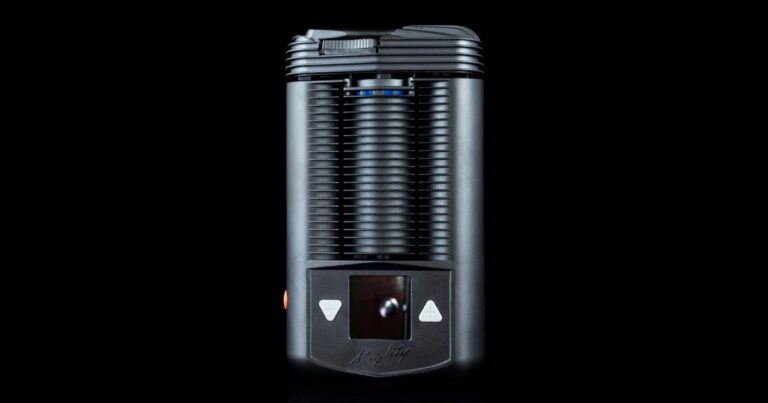
The ANSM has selected the company responsible for supplying and delivering the vaporizers to patients included in the experimentation of therapeutic cannabis and who will be prescribed flowers. It will therefore be the German company Storz & Bickel, acquired in 2018 by Canopy Growth, with the Mighty vaporizer, one of the best vaporizers on the market.

The choice of the vaporizer was one of the prerequisites for the prescription of cannabis flowers to French patients, the smoke route not having been retained for the experiment. The medical flowers will be supplied by Ethypharm, operator of the supplier Aurora Cannabis, with no information on the different lots at this time. The first delivery is nevertheless announced for this week.

According to our information, and unlike the products provided free of charge to patients by the various companies selected, Storz & Bickel vaporizers will be purchased by dispensing pharmacies and pharmacies for internal use (PUI), after inclusion of the patient in the experiment and under reserves of a first prescription of “flowering tops”.

The call for tenders required that:

  • The vaporizer does not have a pre-filling system (cartridge)
  • The outer walls in contact with the user do not heat up
  • The heating temperature does not exceed 215 ° C and a temperature pre-adjustment system exists
  • The vaporizer is portable
  • Automatic switch-off of the vaporizer is possible
  • A filling chamber capacity of at least 100 mg of dried flowers
  • A convection heating system
  • “A herb mill or grinder” is included

In addition, the vaporizer should “not allow the vaporization of cannabis oils or resins (prohibition to provide the accessory allowing it)”.

Storz & Bickel will have to ensure throughout the duration of the experiment the supply of medical cannabis vaporizers, their delivery and the after-sales service in the event of malfunction of a device delivered during the experiment.

CBD cosmetics and their properties

0

CBD could provide a number of benefits, but also benefits for the skin of the body and for the hair. This side of cosmetics is becoming more and more known and more and more used by a large number of people. Before embarking on the adventure and trying a CBD item, it is important to understand all of their properties as well as the different benefits you could get from using a CBD product. We give you all of that information below, so read on to the end!

CBD cosmetics, a growing market

The CBD cosmetics market is becoming a real trend and not only in France. Although the image of the hemp plant is often controversial, the trend is gradually reversed in view of the different results obtained, but also by the feedback from different consumers. CBD cosmetics are emerging in particular thanks to the different properties they bring to the body, hair or even to the mind. Discover with us all these sides of CBD that could turn out to be positive.

The properties of CBD cosmetics for body and soul

First of all, CBD would have a relaxing property, providing peace of mind and inner calm after a long day of work, for example. Indeed, CBD could help you fight the different toxic substances that we face on a daily basis such as pollution, cigarette smoke, etc. In addition, CBD cosmetics could also increase the quality of your skin, in particular by making it soft, smooth and very supple.

The properties of CBD cosmetics for hair

Besides the fact that CBD would bring many benefits to the body, it would also be the case for the scalp. Indeed, CBD would be particularly useful for the different care that we can provide to our hair. Thus, CBD would hydrate and strengthen all types of hair, especially those that are dry and weakened.