Home Blog Page 19

The art of cooking Cannabis: The journey of André Schneider and his B-45 smoothie recipe

In recent years, the world of culinary arts has witnessed an intriguing fusion, where gourmet cuisine meets the therapeutic potential of cannabis. In Germany, one name stands out from this revolutionary culinary frontier: that of André Schneider, a German chef with a passion for cannabis and a spirit of adventure that has taken him to the four corners of the world.

André Schneider: The journey of a cannabis chef

André’s culinary journey began in an unconventional way. After years of introspection and self-discovery, he completed his culinary training at the age of 30. This late start was just the beginning of an extraordinary career that would later see him master the art of cooking with cannabis.

His first job took him to the island of Majorca, where he cooked for celebrities such as iconic Modern Talking singer and producer Dieter Bohlen. André’s wanderlust quickly led him to the Caribbean, more specifically to the island of Dominica. It was there that he immersed himself in the local way of life, connecting with the Rastafarian community and deepening his understanding of cannabis.

This experience laid the foundation for Andre’s cannabis cooking, merging his passions for cannabis, herbs, healing, professional cooking, and travel into a unique culinary niche.

After 18 months in the Caribbean, André returned to Germany, but was not able to stay there long. His next adventure took him to Asia, where he lived for three years in Hanoi, Vietnam, and explored neighboring countries such as Laos, Cambodia and Thailand. It was there that his passion for cannabis cooking found an audience among friends and expats.

In 2016, André returned to Germany, and in 2017 he started his own family in Vietnam. His career took a big turn in 2018 when he joined a hemp magazine. He then began writing articles, menus and recipes on cannabis cooking, establishing himself as an expert in refined cannabis preparations.

In 2019, André embarked on a journey to the northern regions of Vietnam, creating a documentary about Cannabis Sativa L on the Sino-Vietnamese border and its importance to local communities.

One of André’s most notable trips took him to the Democratic Republic of Congo in 2019, where he worked as a cannabis expert for several weeks, studying the subject first-hand.

In 2021, André’s cookbook, “HighCuisine by Andre Schneider”, was published in English and presented in Berlin. Although the book initially faced difficulties in the market, André continues to fight to bring it back to life.

Since then, André has worked freelance, notably as a cook for VIPs and businesses at events such as the Mary Jane Expo. His expertise in cannabis cuisine has taken him around the world, presenting at trade shows in Mexico, Italy, Spain and Berlin.

Today, André Schneider is a pioneer in the field of cannabis cooking, bridging the gap between gourmet cooking and the therapeutic properties of cannabis. His culinary journey is a testament to his passion for exploration, the healing potential of herbs, and his desire to share his expertise with the world.

The B-45 smoothie to give a back-to-school boost

At the start of the school year, it is essential to strengthen our immune defenses to stay healthy and full of energy. A delicious way to do this is to prepare the B-45 smoothie, inspired by the famous Silent Seeds cannabis strain. Packed with vitamins, minerals and the goodness of cannabis, this invigorating smoothie will put you on the path to success.

Ingredients for B-45 Smoothie

Ingredients for 4 servings:

For the smoothie:

  • 1 to 2 handfuls of fresh spinach
  • Fresh pineapple pieces
  • 1 half ripe mango
  • 1 apple (any variety)
  • 1 half ripe banana
  • 4 tablespoons (50g) toasted hemp seeds
  • 150ml coconut water (or non-dairy milk of your choice)

For Cannabis B-45 MCT Oil:

4 ml of B-45 cannabis MCT oil (ratio 10:1 ml/g)

Instructions :

1. Prepare B-45 Cannabis MCT Oil:

In a slow infusion process, infuse MCT coconut oil with B-45 cannabis flowers. This process ensures proper infusion and activation of cannabinoids. MCT oil is used as a carrier oil because of its easy digestibility.

2. Assemble the smoothie:

Place the following ingredients in a blender: spinach, pineapple chunks, ripe mango, apple, ripe bananas and toasted hemp seeds.
Pour in 150 ml of coconut water (or non-dairy milk of your choice).
Add 4 ml (120 mg THC) of prepared B-45 cannabis MCT oil.

3. Blend to Perfection:

Mix all ingredients until smooth and creamy.
If you want a colder, thicker smoothie, add 200ml crushed ice and blend again briefly.

4. Savor and experience:

Your B-45 smoothie is now ready to enjoy. Pour it into glasses and savor its benefits and invigorating flavors.

The B-45 smoothie

The B-45 smoothie

Feel free to personalize this recipe by adding other ingredients according to your tastes and nutritional preferences.

This B-45 smoothie is not only a treat for your taste buds, it’s also a powerhouse of nutrition. Spinach provides folic acid and fiber, pineapple provides vitamin C and digestive enzymes, while bananas provide sweetness and creaminess. Apples provide additional nutrients and roasted hemp seeds provide a nutty taste. B-45 Cannabis MCT Oil adds a unique touch with its stimulating effects and distinctive terpene profile.

Additionally, the mango contained in the smoothie is known to intensify and prolong the effects of cannabis, making it an ideal choice for those who want to enjoy its benefits.

While the start of the school year is already upon us, start your day with this energizing B-45 smoothie, and you will be fortified with a burst of vitality to face the challenges of the day. André Schneider’s culinary expertise and passion for cannabis come together in this recipe, which is a delicious and healthy way to start the day.

The government proposes an amendment to generalize medical cannabis

After choosing not to include the generalization of medical cannabis in the Social Security Financing Bill, after having rejected all the amendments proposing generalization in Committee, the government finally proposed its amendment on medical cannabis, as announced clumsily by the Minister of Health on October 11.

As deciphered by the Union of Industrialists for the Valorization of Hemp Extracts (UIVEC) and by Santé France Cannabis, the amendment proposes the creation of a status ad hoc temporary for cannabis-based medicines, defined as “any medicine whose active substance is composed of a preparation based on Cannabis sativa L. including an extract”. These medications will be subject to temporary authorization, issued on a drug-by-drug basis, for a period of 5 years, renewable accordingly.

If the amendment is adopted, these drugs will be available as a first prescription in hospital with renewal as part of a traditional care pathway, as during the experiment.

The price of cannabis-based medicines will be determined based on their characteristics, composition and pharmaceutical form. In addition, these prices will be aligned with European prices or tariffs for a comparable total market size, in accordance with a future decree. The terms of coverage of these medications by health insurance will be set by decree.

The pharmaceutical quality and safety criteria as well as the therapeutic indications eligible, ultimately, for treatment with medical cannabis, will be defined by ministerial decree.

Generalization will not occur before January 1, 2025. In the meantime, patients included in the experiment at the end of March 2024 will continue to receive their treatment until generalization. The second extension must last a maximum of 9 months. Medicines used in this context will be covered by health insurance on the basis of an amount set by ministerial decree.

Several questions remain unanswered, either because they will be fixed by decree or order – the order establishing the conditions of culture and related security for example – or because the text does not go into detail. For example, the form of cannabis-based medicines is not clearly defined: flowers, oils and/or extracts?

Mado Gilanton, president of the Apaiser S&C association, welcomes “excellent news for patients” and recognizes a “first step taken” while obliging herself to remain “mobilized” on the passage of the amendment then on the implementation work of generalization.

First UK-grown cannabis medicine expected by end of 2023

Anglettere-based medical cannabis producer Dalgety has announced a new distribution agreement with Grow Pharma which will enable the commercial distribution of THC-rich, pharmaceutical-grade prescription medicines to the UK market.

Dalgety’s first product, which obtained a medical cannabis cultivation license earlier this year, is expected to be available by the end of 2023, making it the first cannabis-based medicine grown in the Kingdom -United to be able to be prescribed to patients.

James Leavesley, Chief Operating Officer at Dalgety, said: “We began discussions with Grow over two years ago and share their ambition to be a leader in the medical cannabis industry. From culture to transformation to patient experience, we are aligned in our goal of providing the highest quality medicines and services to patients. I am delighted to announce that this agreement has been brought to fruition.”

The UK medical cannabis market is expected to reach over £1 billion by 2026, helping to drive economic growth in the UK.

Dalgety was founded in 2016 and has since produced several batches of cannabis for commercial purposes.

James Leavesley added: “Over the past five years there has been uncertainty over the cultivation of medical cannabis in the UK, meaning the industry has had to rely solely on imports, a complex process that impacts the consistency of supply of medications prescribed to patients. We are committed to improving patient access to medical cannabis and ensuring they can receive consistent, high-quality medicines, manufactured in a highly regulated environment here in the UK.”

Grow Pharma is one of the UK’s largest distributors of cannabis medicines.

Pierre van Weperen, CEO of Grow Pharma, commented on the transaction: “We have always focused on the needs of the patient, and it is clear that Dalgety has heard and understood this as part of its approach and recognizes the importance of this long-term approach. Our conversations have been focused on this point from the start. Anything that simplifies the UK supply chain and improves its sustainability will make a huge difference to the industry. »

“This is an extremely positive collaboration for Grow, which is able to bring UK-produced medicines with cutting-edge expertise to the pharmaceutical market.

Canadian cannabis industry calls for regulatory changes on 5th anniversary of legalization

The Canadian Cannabis Council (C3), the Canadian organization of cannabis licensees registered with Health Canada, commemorated the fifth anniversary of the legalization of cannabis in Canada by calling on the government to better respond to the many challenges facing the industry.

A recent C3 survey of licensed cannabis producers (LPs) highlighted the urgent need for government reforms to boost the sector, ensure its continued growth and contribution to the public policy objectives of the Cannabis Act. The survey, compiling responses from 122 LPs across the country, identified the key financial challenges facing the Canadian cannabis industry:

  • 71% of respondents reported an increase in excise tax payments between 2021 and 2022, reflecting the financial impact of escalating excise taxes due to price suppression and burdensome regulatory fees
  • 83% of distributors reported negative net income in 2022. This significant increase in excise tax burden has placed unsustainable pressure on LPs, hindering their ability to invest in growth and innovation, according to C3

Main recommendations of the C3 to the government

The Cannabis Council of Canada has released three urgent recommendations:

  • Reform the excise tax framework: C3 advocates a fairer taxation system, notably proposing a reduction in the excise tax to a fixed rate of 10% of sales. This change would ensure the viability of the cannabis industry and compete with the illicit cannabis industry
  • Eliminate Excessive Regulatory Taxes: Excessive regulatory fees, which do not exist in other industries such as alcohol and tobacco, have hindered the growth and profitability of LPs. C3 asks the government to eliminate these fees that it considers unfair
  • Reform the edible category: C3 calls for an increase in the THC limit authorized in edibles at 100 mg, in order to align regulations with consumer protection and take this category back from the illicit market

“After five years of legalization, the regulated cannabis industry is struggling due to high taxes, over-regulation and cutthroat competition from the illicit market. To realize the potential of legalization, the sector urgently needs reform. We have identified key areas that government can change today to enable us to collectively grow the pie,” said George Smitherman, President and CEO of the Canadian Cannabis Council.

“Growing the pie means more revenue for the cannabis sector and governments, and it means extending the protections of the regulated sector to more Canadian cannabis consumers.”

Towards a temporary shortage of medical cannabis in Luxembourg?

Luxembourg legalized medical cannabis in February 2019 and has since regularly faced shortages. This time, a change in medical cannabis supplier is the cause of a potential shortage.

Alerted to the impending crisis, MP Sven Clement, a member of the Pirate Party, recently brought the issue to the forefront during a parliamentary session. In a direct question to Paulette Lenert, Luxembourg Minister of Health, MP Clement underlined the urgency of the situation. “Only cannabis oils are currently available,” he said, indicating a worrying shortage of medical cannabis in its other forms.

Minister Lenert acknowledged the problem, explaining that the shortage is attributed to a change in cannabis flower suppliers. She revealed that the contract with Tilray, the previous supplier, ended on August 3, 2023. In May of the same year, a new tender was launched and was won by Schroll Medical, a pharmaceutical company Danish.

To bridge the transition period between suppliers, a large order for medical cannabis was placed in July. This order, however, did not materialize, leaving the country in a vulnerable position. Minister Lenert explained: “The order has not arrived and the new cannabis supplier also needs some time before it can supply a sufficient quantity. Cannabis flowers are produced specifically for the Luxembourg market.”

Minister Lenert indicated that new deliveries of medical cannabis are expected for the end of October and the month of November.

In the meantime, Minister Lenert assured that there was a sufficient stock of cannabis oils, which should make up for the supply gap. The situation has nevertheless sparked discussions about the need for a more stable and resilient supply chain for medical cannabis in Luxembourg.

The shortage is also a direct result of the growing demand for medical cannabis, with prescription rates increasing in recent years.

In 2020, a year after the legalization of medical cannabis, Luxembourg patients were prescribed 140 kg of cannabis. In 2021, this figure doubled to 283 kg. The country had already had to urgently purchase several dozen kilos of medical cannabis at prohibitive prices to compensate for the lack of stock.

German MPs debate cannabis legalization plan for the first time

Postponed for a few days in view of events in Israel and Palestine, the first reading of the project to legalize cannabis in Germany was held on Wednesday October 18 in the Bundestag, the German parliament.

The bill would currently allow adults to possess cannabis and cultivate up to 3 plants. It would also allow the creation of Cannabis Clubs, cultivation associations which would distribute the harvest of their plants among members of the association. A second phase, not on the agenda, will eventually allow the retail sale of cannabis in specialized stores.

“With this bill, we are describing a new path, a courageous path, a path that places itself on the side of those who consume it. We have spoken out against state oppression and in favor of a progressive drug policy, which educates and grants freedom,” declared in the preamble Carmen Wegge, of the Social Democratic Party (SPD), after reminded that cannabis prohibition has failed.

Green Party member Kirsten Kappert-Gonther said banning cannabis made it even more dangerous. “Prohibiting the black market increases the risk,” she said, noting that illicit sellers do not provide verified information about the product’s ingredients or potency.

“Legalization would also better prevent child access through identity screening requirements,” she added.

“Instead of a thriving illegal market, we are now creating legal alternatives that adults can consume,” said the Green MP.

Free Democratic Party (FDP) MP Kristine Lütke acknowledged that the current bill was not final, but said it included key provisions such as the minimum distance between cultivation facilities and public schools and other sensitive areas.

Lütke said she hoped lawmakers could refine the bill during the legislative process.

“I know the topic is very emotional, but I think we can now get back to the factual level,” she said, noting that key points of the proposal were unveiled almost a year ago. and that the Cannabis Bill is now available.”

Opposition political parties tabled two motions ahead of Wednesday’s debate. The first, filed by the Union (CDU/CSU), calls on lawmakers to end the legalization of cannabis, which it says is taking the country “in the wrong direction” and will lead to an increase in cannabis use .

“The Federal Ministry of Health is working on the law to legalize cannabis while warning of the dangers of consumption. Instead of the planned legalization, it is necessary to strengthen prevention and education about the dangers that can arise from the consumption of cannabis. »

On social media on Wednesday, Mr Lauterbach, the Minister of Health, responded to the opposition of the CDU/CSU. In response to the party’s assertion that “young people up to the age of 25 are particularly at risk because their brain development is not yet complete”, Mr Lauterbach noted that consumption of cannabis among young adults has been “increasing for years” due to the current ban on adults.

“At the same time, toxic concentrations of THC are increasing and there are more additives,” he writes, suggesting that legal sources of cannabis would be safer for consumers than unregulated sources. “Should we complain about the problem and do nothing?” »

Another motion, from the Alternative for Germany (AfD) party, says lawmakers should instead focus on cannabis, which it says “enjoys a good reputation among the population.” The party argues that the Bundestag should abandon legalization of adult use and instead draft a new law to integrate medical cannabis into a national health care law, which would better address the “benefits and harms risks in an open manner” and could reduce costs for patients.

The text of the law will then be examined in committee. The Health Committee is scheduled to consider the proposal on Nov. 6, when lawmakers are expected to take expert testimony on the proposal.

A second and third (final) reading are scheduled for November 16.

CBD producers/distributors meeting on December 3 with the UPCBD

On Sunday, December 3, the Union of CBD Professionals (UPCBD) and the French Association of Cannabinoid Producers (AFPC) are organizing the 3rd inter-union meeting in the Nouvelle-Aquitaine region, in Fauillet (Lot-et-Garonne).

These meetings allow us to discuss the latest developments in the CBD industry and to put producers and distributors of CBD hemp and CBD products in contact.

During these events, the inter-union generally takes the opportunity to:

  • Provide answers to questions related to these new professional activities
  • Express your position regarding current issues (DGCCRF, driving license, synthetic molecules, etc.)
  • Explain the different actions carried out within the authorities to supervise the sector and its future development
  • Raise awareness among professionals about a clean sector
  • Bring together member or non-member professionals in order to stimulate exchanges and promote new capital opportunities between them
  • Allow non-members to join the various unions on site.

Places are limited and registrations close on November 19. Whether you are unionized or not, you can register for the event here.

What is the hemp inter-union?

The hemp inter-union brings together three of the largest unions in the CBD sector: the AFPC, the SPC (Professional Hemp Union) and the UPCBD. The objective of this gathering is to establish the legitimacy of the different associations representing hemp professionals in the face of different government issues from production to sale.

The inter-union is thus initiating discussions with the various government authorities to define the guidelines and regulations that the wellness cannabis sector should follow to guarantee consumer protection and the prosperity of the French sector.

Manitoba court upholds ban on growing cannabis at home

In a ruling released Friday, Oct. 13, a Manitoba judge dismissed a resident’s application challenging the legality of Manitoba’s ban on growing their own cannabis.

The ban does not apply to people licensed to grow cannabis for medical purposes, but to those who want to grow up to four cannabis plants at home, which is permitted under federal law.

The Manitoba law, in effect since 2018, was challenged by resident Jesse Lavoie, who argued the provincial ban was unconstitutional and an overstep of provincial authority.

In its defense, the provincial government argued that the ban on growing cannabis at home was within the province’s power in the name of protecting public health and safety. By doing so, the province is ensuring that the black market does not profit from home-grown cannabis and is helping to keep it out of the hands of young people, they argued.

Justice Shauna McCarthy of the Court of Queen’s Bench agreed with the Manitoba government’s arguments, saying the penalties, while strict, were not overly punitive and did not violate the balance between provincial jurisdiction and federal. The province of Manitoba has the right to prohibit the cultivation of cannabis at home, even though federal law allows the cultivation of up to four plants.

One of Lavoie’s lawyers in the case, Kirk Tousaw, said they intend to appeal the decision.

“We intend to appeal this disappointing decision and continue our fight to ensure Manitobans can exercise the same freedoms as other Canadians,” Kirk Tousaw told StratCann.

“While we intend to appeal this decision, it is important to emphasize that Manitobans should not need to go to court to challenge bad laws. The government should change them, and we hope that the new NDP government will reverse the bad policy choices of its predecessor. »

In April of this year, the Supreme Court of Canada upheld a similar ban on home-grown cannabis in Quebec, finding that the province had the authority to enforce such a ban, despite federal rules allowing up to four plants per plant. hearth.

Quebec and Manitoba were the only two provinces to completely ban home cultivation, as was the territory of Nunavut. While Quebec’s rules provide for fines for people found growing cannabis, Manitoba’s ban provides for criminal penalties and a fine of $2,542 for growing cannabis for non-medical purposes in a residence, as well as imprisonment of up to one year and confiscation of personal property.

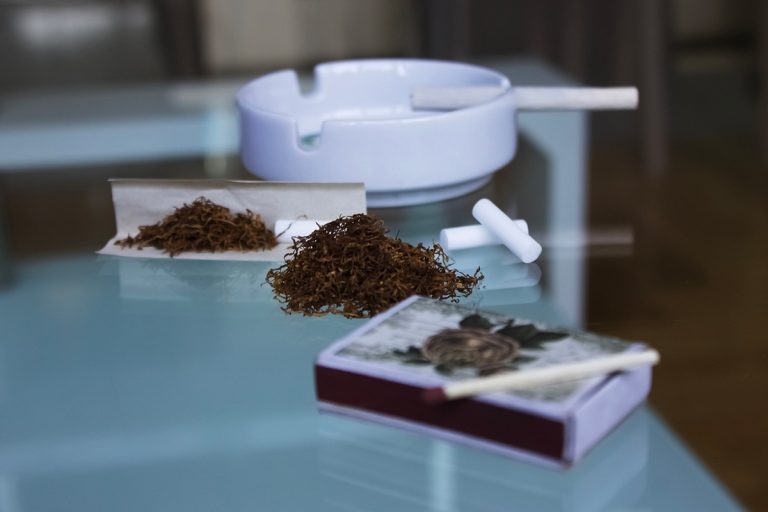
The different shapes and sizes of rolling papers

0

Choosing a rolling paper to make your cigarettes is not trivial. Depending on the characteristics, the taste of the tobacco can be modified. Let’s take a look at the different shapes and sizes of rolling papers.

The different sizes of rolling papers

There are no less than 6 models of rolling papers on the market. Depending on your preferences, it may be useful to choose one model over another.

  • Regular rolling papers (the standard model) measuring 68 x 34 mm
  • The slightly larger 1 ¼ rolling papers, measuring 76 x 45 mm
  • Rolling papers 1 ½ wider with a size of 76 x 60 mm
  • Double rolling papers which by definition have a double width 76 x 63 mm
  • King Size rolling papers measuring 100 x 55 mm
  • King Slim rolling papers are narrower and longer, i.e. 105 x 42 mm

The different shapes of rolling papers

While there are flavors on some rolling papers, there are also shapes. The most conventional is the rectangle, but there are also other models.

Cones and wrap

These are ideal solutions for smoking aromatic herbs and saving yourself the chore of rolling. However, some people also use them to smoke tobacco. These cones are available in several sizes.

Rolls sheets

Less widespread, but oh so practical, Rolls rolling papers are perfect for saving money. They are aimed at a rather experienced audience, already knowing how to roll a cigarette without any difficulty, practically with their eyes closed. Indeed, sold in roll form that you use as you wish. In fact, they are not pre-cut like traditional sheets, you are free to choose the desired model. So, no need to carry around with your numerous packs of leaves depending on your mood, you can now roll your cigarette, large or small as you wish!


Holigram and Paradise Seeds team up to experiment with legal cannabis in the Netherlands

Two Dutch companies, whose roots in the cannabis industry date back to the early 1990s, have announced their partnership as part of the Dutch Coffeeshop Experimentthe experimentation with legal cannabis in the Netherlands.

The seed bank Paradise Seeds thus becomes the official genetic partner of Holigram, one of the ten approved producers selected by the Dutch government to supply coffeeshops with legal cannabis as part of the national experiment which will take place in 2024.

Paradise Seeds will supply Holigram with in-house genetics such as Dutch Dragon, Jacky White and Wappa, as well as newer varieties. Holigram, the only grower licensed to use Paradise Seeds genetics in this “experiment”, focuses on large-scale cultivation of high-quality, organic cannabis in a state-of-the-art 8,000 m² production facility. technology.

“Partnership brings together Dutch cannabis pioneers”

This partnership sees the coming together of two entities involved in the Dutch cannabis industry since the early 1990s. Between them, they have contributed to the development of the industry in the genetics and nutrient sectors.

Patrick Stevens, sales director of Holigram, describes the announcement as the coming together of two key players in the history of the Dutch cannabis industry: Luc Krol, owner of the genetic seed bank Paradise Seeds, and Jetze de Raad , founder of Biobizz fertilizer, and now head of the Dutch LP Holigram.

“For three decades, Jetze and Luc have led Dutch companies that have driven enormous change in the cannabis industry. So it’s fantastic, and entirely fitting, that their paths finally cross and unite in this Dutch legal experience. »

Luc Krol is the founder of Paradise Seeds, a breeder-owned cannabis genetic seed bank, which will celebrate its 30th anniversary next year. He also created the Medical Cannabis Bike Tour Foundationwhich is currently funding a clinical trial on the use of medical cannabis in the treatment of cancer in Spain.

Jetze de Raad founded the organic fertilizer company Biobizz in 1992. In 2015 he established Laboraad, a research and consultancy laboratory that seeks to innovate sustainability in the horticulture and agriculture sector . A long-time advocate for a legal cannabis supply chain in the Netherlands, he created Holigram, which received a Dutch coffeeshop experimentation license in 2021.

Jetze’s entrepreneurial history is behind Holigram’s focus on sustainability. The cannabis will be 100% organic and the cultivation site has been built to reinforce this approach. The building does not contain (natural) gas, uses energy-efficient solar panels and LEDs, and has a water recycling system.

Proven genetics

Patrick Stevens explains that the advantage of using Paradise Seeds genetics lies in the reliability of the cannabis varieties, which have been stabilized for many years, which guarantees the consistency of the product in cultivation and the experience of the end consumer .

Although Paradise also provides newer varieties reflecting the “California” trend, the presence of “classic” genetics such as Wappa, Dutch Dragon and Original White Widow in crossing with American varieties Gelato and Cookies provides additional stability . “The best of both worlds,” says Patrick.

Luc Krol says: “Paradise Seeds was born out of the Amsterdam coffeeshop scene in the 1990s. It was there that I exchanged seeds with travelers from Asia and America to build my collection and develop the first genetic varieties from Paradise Seeds. »

“It was also in these coffeeshops that the final product was tested, and the feedback persuaded me to devote myself full time to the selection. So I’m delighted that Paradise Seeds varieties are back in coffeeshops. It is also a privilege to work with Holigram. It’s obvious that Jetze and I have been working for many years and have seen the industry change dramatically. Being part of this legal initiative in our own country, the Netherlands, is very exciting.”