Home Blog Page 18

Legalization of recreational cannabis in Florida before the Supreme Court

The Florida Supreme Court found itself in the middle of a crucial debate surrounding the cannabis legalization initiative slated for the state’s 2024 ballot. At the heart of this highly technical debate were divergent semantic and legal interpretations presented by the attorney general’s office and the campaign Smart & Safe Florida at the origin of the initiative

The Supreme Court’s decision will determine whether Florida voters will have a chance to weigh in on the issue.

Semantic and legal battle

One of the main arguments made by Attorney General Ashley Moody’s office concerned the allegedly misleading nature of the initiative’s summary, limited to 75 words:

“Allows adults aged 21 or older to possess, purchase, or use cannabis products and accessories for personal, non-medical consumption, through smoking, ingesting, or otherwise; permits medical cannabis treatment centers and other state-licensed entities to acquire, cultivate, process, manufacture, sell, and distribute such products and accessories. Applies to Florida law; does not modify or immunize violations of federal law. Establishes possession limits for personal use. Allows for consistent legislation. Defines terms. Provides for an effective date.”

Specifically, potential ambiguity surrounding the licensing of cannabis businesses was raised, which would suggest the language misleads voters about the potential expansion of entities licensed to sell recreational cannabis. Although the initiative hints at the possibility of new licenses, it does not explicitly detail the legislative steps required for their approval.

Another significant point of disagreement emerged regarding the interaction between the proposed amendment and federal law. The debate surrounding the initiative’s wording focused on whether it adequately addressed the federal legality of cannabis. That sparked a back-and-forth over whether the language introduced confusion or simply reflected existing uncertainty regarding federal laws.

Another critical argument centered on the Florida Constitution’s single purpose rule for ballot measures. The argument made was that the initiative, by making two fundamental changes to the organic law, ran counter to state constitutional provisions that call for a single focus in ballot initiatives.

Responsibility of voters

Defenders of the initiative emphasized adherence to the Court’s previous guidelines and emphasized voters’ responsibility in interpreting ballot language. They also supported the importance of not misleading voters and preserving the intent of citizen initiatives to change state organic laws.

The Florida Supreme Court’s decision will carry considerable weight in determining the fate of the ballot measure and must now issue its decision. Moody, the state attorney general, made the same argument regarding the misleading wording of a 2022 legalization measure. The Supreme Court later struck it down.

What does Florida’s cannabis legalization initiative propose?

This is what the initiative offers Smart & Safe Florida for the legalization of cannabis:

  • Adults 21 and older could purchase and possess up to three ounces of cannabis (84 grams) for personal use. The cap for marijuana concentrates would be five grams
  • Medical cannabis dispensaries could “acquire, cultivate, process, manufacture, sell and distribute cannabis products and accessories to adults for their personal use”
  • The Legislature would be allowed – but not required – to approve additional entities that are not currently licensed cannabis dispensaries
  • There are no provisions for home cultivation, expungement of previous criminal records or social equity
  • The measure would take effect six months after voters approve it.

Ohio votes to legalize cannabis

Ohio voted yesterday, Tuesday, November 7, in favor of the legalization of cannabis. THE Buckeye StateEdit thus becomes the 24th American state to legalize cannabis. 53% of the American population now has legal access to cannabis in their state, while cannabis is still illegal at the federal level.

Regulate cannabis like alcohol

The adoption of question 2, defended by the Coalition to Regulate Marijuana Like Alcohol (CTRMLA), marks a turning point in Ohio’s stance on cannabis. Not only does this measure grant those aged 21 and older the ability to purchase, possess and cultivate cannabis, but it also sets out a comprehensive regulatory framework governing the industry.

The legalization measure, called Issue 2, now allows possession of 2.5 ounces (70 grams) of cannabis for adults and cultivation of up to six plants for personal use, with a maximum of 12 plants for households of two or more adults. The initiative introduces a 10% sales tax on cannabis, with revenue allocation earmarked for various purposes such as supporting social equity and employment programs, helping localities that license businesses cannabis for adult use, funding education and drug addiction programs, and covering administrative costs related to the implementation of the system.

The approved measure calls for the creation of a Cannabis Control Division within the state Department of Commerce, which will have the authority to license, regulate, investigate and sanction adult-use cannabis operators , testing laboratories and licensed persons. The legislation gives existing medical cannabis companies a head start in the recreational market, encouraging their rapid transition into the adult-use sector. Additionally, provisions prioritize applications from cannabis employment and social equity program participants, thereby promoting an equitable and inclusive industry landscape.

The impact of Ohio’s decision could extend beyond its borders. Indiana and Kentucky, two neighboring states, are among the few American states that do not yet have a medical cannabis program. In Kentucky, medical cannabis will not come into force until 2025. West Virginia has a medical cannabis program, but it is very restrictive.

Odds and passes

However, the road to legalization has been fraught with challenges: legal battles, legislative reviews and, finally, a ballot initiative. Activists and proponents faced challenges, including failed attempts to place the measure on the ballot in 2020 and 2022. Yet after several rounds of submission and review, Issue 2 was granted voter approval, underscoring Ohioans’ clear stance on the future of cannabis in their state.

Ohio’s victory reflects a broader national trend of growing support for cannabis reform. Matthew Schweich, executive director of Marijuana Policy Project, notes the significant support for legalization, highlighting the dynamics behind public sentiment for cannabis reform. However, concerns persist, particularly regarding possible interference from the state legislature, which retains the power to amend or repeal voter-approved initiatives.

The legalization of recreational cannabis in Ohio will have profound implications for the state’s economy and the cannabis industry as a whole. Projections point to a multibillion-dollar market in the Midwest, with estimates predicting substantial sales figures in the first year following legalization and a marked upward trajectory in subsequent years. The legislation opens doors to multi-state operators and local businesses, which is expected to drive consumer access to cannabis and market expansion.

The legislation’s provisions relating to social equity and the allocation of tax revenues to assist disadvantaged groups underline the commitment to addressing the issue of equity within the industry. Nonetheless, opposition from some quarters, including Ohio business organizations and concerns about workplace safety, persists despite the measure’s passage.

Ohio also voted to protect the right to abortion.

The history of the ashtray: everything you need to know about this essential accessory

0

Although the ashtray is a very popular item today, a few years ago it was considered a luxury product. Let’s take a little trip back in time to discover the history of the ashtray.

The ashtray: from a luxury object to an artistic piece of fashion

It was with the popularization of the pipe and the cigar in Europe that the ashtray was born. Indeed, from the 17th century, we find ashtrays in the most beautiful homes, because this one was a true luxury item. Handmade by artisans, they were unique and often decorated with precious stones or made from noble materials.

Later, around 1920 and 1930, the ashtray came in more innovative materials, such as glass, silver and even porcelain. Their manufacture was on demand, with the aim of corresponding to the wishes of staid people. Moreover, from a luxury object, it quickly becomes a decorative object.

The democratization of the ashtray

From the 20th century, cigarettes invaded the whole world, thus popularizing the use of the ashtray. Being smoked by a larger number of people and above all, being less bulky than a pipe or a cigar, the manufacture of ashtrays was refocused on these small tobacco stems. They therefore become smaller and their mass production starts at that time. The ashtray loses its splendor and even becomes an advertising object in its own right.

Over time, ashtrays follow the trend of fashion, with materials and colors in line with trends. This is how in the 70s, curves and psychedelic colors came to the fore. Since the 1990s, environmental awareness has led to a drop in demand, and therefore in the production of ashtrays. New models are being tested both indoors and outdoors.

Today, ashtrays are collector’s items, sought after by collectors. The older they are, the more valuable they are. On the other hand, some manufacturers continue to produce invaluable ashtrays for wealthy smokers.

Ireland’s first cannabis clinic opens

After 4 years of legalization and still very restricted access, a first clinic specializing in cannabis will open its doors in Ireland. The medical dispensary will cover “all conditions that can be treated with medical cannabis”, not limited to those recognized by the Irish Medical Cannabis Access Program, according to the company’s press release Medicann.

Currently, the Irish Medical Cannabis Access Program covers three conditions – spasticity associated with multiple sclerosis, intractable nausea and vomiting associated with chemotherapy and severe treatment-resistant epilepsy – and very few patients.

A step forward for medical cannabis in Ireland

Irish patients have been able, since August this year, to register their interest in a medical cannabis prescription through the online dispensary.

Interested individuals can schedule a virtual appointment with Medicann, who will then conduct an assessment through its secure health portal to determine whether or not individuals may benefit from a prescription for medical cannabis in the form of flowers, oils and topical creams. Under the government’s Medical Cannabis Access Scheme, eligible patients can also apply for funding to cover the costs of medical cannabis.

Gary Whipp, chief executive of Medicann Ireland, said he noticed the potential of medical cannabis to improve citizens’ quality of life from the start of its legalization in the UK in 2018.

“We have provided access to this natural medicine to eligible patients for the past four years,” Whipp said. “As the first clinic to launch in Ireland, we know that patients have been waiting for local access to this medicine, and we look forward to helping patients better manage their condition and improve their quality of life under the guidance and help from our specialist doctors here at Medicann. »

The Medical Cannabis Access Program was first launched after Health Minister Simon Harris signed legislation on June 26, 2019 to enable it to operate on a five-year pilot basis. At the end of these five years, the program will be reviewed.

“The goal of this program is to facilitate access to cannabis for medical reasons, when conventional treatment has failed,” Mr. Harris said at the time. “Ultimately, it is the consulting physician, in consultation with their patient, who will decide whether to prescribe a particular treatment, including cannabis-based treatment, to a patient in their care. »

Europe’s first legal cannabis dispensary to open in sixth Swiss pilot project

The first legal cannabis dispensary in Europe is expected to open by the end of the year as part of Switzerland’s sixth adult-use cannabis pilot project.

The Swiss Institute for Addiction and Health Research (ISGF) and Sanity Group have received final approval from the Federal Office of Public Health (FOPH) to conduct a pilot study on cannabis in the canton of Basel- Campaign, after receiving approval from the Ethics Commission of North-West and Central Switzerland (EKNZ) last year.

Up to 3,950 adults living in the township will be able to participate in the study, which aims to examine the regulated sale of cannabis for non-medical purposes.

This is the sixth pilot project for the sale of cannabis for adults in Switzerland that has received the green light.

However, unlike other pilot projects, distribution will not take place through pharmacies or clubs, but through a traditional point of sale.

Europe’s first legal cannabis store for consumption is being set up in the municipality of Allschwil. Another store will follow in the coming months in Liestal, where consumers can purchase various cannabis products such as flowers, extracts, hashish, edibles and vaping liquids.

Gathering data on cannabis use

The study is expected to begin in the fourth quarter of 2023 and last five years.

Led by Professor Michael Schaub, scientific director of the ISGF, it will record consumption behavior as well as the physical and mental health of participants.

“After an initial information meeting about the trial and how to handle cannabis, potential participants will be subject to a medical aptitude test and an online survey,” explains Professor Schaub.

“If participants are accepted into the study, they will be able to legally obtain cannabis at the point of sale for a limited period using a participation card. Ongoing surveys of participants’ consumption behavior and physical and mental health will take place every three to six months. »

The societal effects of consumption, in particular on public security and order, will be analyzed through close exchange and the integration of relevant target groups, such as the public prosecutor.

He adds: “The results of the study can contribute to an informed health policy debate regarding the responsible use of cannabis and serve as a basis for making decisions on long-term regulation. »

“In addition, we would like to study whether it is possible to have better access to high-risk consumers suffering, for example, from mental health problems, in order to direct them to the appropriate cantonal care centers.”

Locally grown cannabis

All cannabis products will be produced in accordance with BetmPV quality requirements and organic guidelines in Switzerland by Swiss cultivation partner SwissExtract.

Prices for cannabis flowers would be between 8 and 12 CHF, depending on the THC content.

Stefan Strasser, CEO of SwissExtract, said: “Our goal is to provide high-quality products with high reliability based on solid scientific study. We focus on organic quality, Swiss character and transparency. »

“As we only use natural substances for the cultivation of our raw materials, we guarantee non-polluting products. With us, the entire value chain is brought together under one roof: cultivation, processing and packaging take place exclusively in Switzerland; Furthermore, we document the production process, from plant seed to final product. SwissExtract is for us the work of a lifetime, with sincerity towards people and the environment. »

“Results of international interest”

Over the past few months, Sanity Group, Europe’s leading cannabis company, has worked with regional and national authorities to get this ambitious project off the ground.

Finn Hänsel, CEO of Sanity Group, commented: “We are pleased about the approval of the study in Basel-Landschaft and the opportunity to make our contribution to social acceptance and knowledge transfer around Cannabis plant and its multiple uses. Our ambition to support the ISGF pilot project with our knowledge and experience as an international cannabis company is primarily based on promoting research in the field of cannabis. »

“Since the creation of the company, our goal has been to continue research into the benefits of cannabis and to destigmatize the plant. In collaboration with the ISGF, we develop safe sales concepts based on health protection, youth protection and prevention. We expect the study to produce interesting results, which will be of international interest. »

Further information on the project is available at: www.grashausprojects.ch.

Medical cannabis passes the National Assembly with 49.3

On Wednesday October 25, the Prime Minister held the Government responsible for the “expenses” part of the Social Security Financing Bill (PLFSS) for 2024, at the same time validating the presence of the “medical cannabis” amendment. filed by the government on October 23.

The PLFSS must now be confirmed in the Senate.

What does the “medical cannabis” amendment contain?

The amendment tabled by the government provides a temporary status for medical cannabis products. Here are the essential points:

  • Medical products containing cannabis will now be subject to “temporary authorization” for five years, with the possibility of being renewed by the ANSM for additional periods of five years.
  • Products will be authorized on a case-by-case basis
  • Generalization will not occur before January 2025
  • When the current experiment ends in April 2024, there will be a “transition period” of up to nine months, after which generalization is expected
  • The government has planned a budget of 10 million euros for this transition period, which will allow patients to continue to access their medicines and be reimbursed. This is five times the current budget for the experiment
  • After generalization, access to cannabis for medical use will remain limited to a treatment of last resort and can only be prescribed in hospital.
  • The prices of each product remain to be determined, but they will take into account the prices charged in European countries with a comparable market size.
  • The criteria for prescribing medical cannabis will be set later by decree upon upcoming proposal from the ANSM
  • Flowers and other inhaled forms of cannabis products will be excluded

While the move has been widely welcomed by the industry, which has rightly attributed the amendment to continued pressure from patient groups and industry businesses, a number of key questions remain unanswered.

Firstly, activists question why access remains so restrictive for patients, who must have tried all other avenues of treatment before they can benefit from medical cannabis.

Additionally, as no budget has yet been set for widespread use, many wonder if reimbursement will continue as it did for the experiment.

French drug policy reform group L630 also raised concerns about data protection, as the current text states that companies supplying medical cannabis to patients must collect data on patients’ consumption and response to treatment .

UK takes decisive step towards regulating CBD products

The UK Home Office has accepted the recommendations of theAdvisory Council for the Misuse of Drugs (ACMD) regarding legal levels of controlled cannabinoids, including THC, in CBD products intended for consumers.

In December 2021, the ACMD released a report outlining its recommendations for changes to legislation relating to controlled substances in CBD products.

In January 2021, Kit Malthouse, then Minister of State for Crime and Policing, also recognized the need for legal clarification, stating: “There is currently no legal framework specifically exempting of CBD from the control provided for by the Misuse of Drugs Act 1971 (Misuse of Drugs Act) and, with this in mind, the government wishes to explore the possibility of creating a specific exemption in the Misuse of Drugs Regulations 2001 (Misuse of Drugs Regulations 2001) for CBD products that contain no more than a defined percentage of trace amounts of controlled cannabinoids. »

In his response to the ACMD report, published on October 24, the Minister for Crime and Policing, Chris Philp MP, said the Government intended to accept the advised limit of 50 micrograms of THC and other cannabinoids controlled per consumption unit.

A consumption unit or “individual serving” is defined as the typical amount of a CBD product consumed on a single occasion, but industry representatives have expressed the need for further clarification of what constitutes a typical serving of CBD.

At the beginning of the month, the Food Standards Agency (FSA) issued a consumer advisory on CBD ingestion, reducing the recommended daily amount from 70 mg to 10 mg, based on undisclosed toxicology studies relating to CBD isolate products submitted in as part of the Novel Food process.

CBD products could be regulated as food

The government has also agreed “in principle” to change the definition of exempted products in relation to CBD products, for example by changing the wording of the Psychoactive Substances Act 2016 (Psychoactive Substances Act 2016), which speaks of “preparation or other product containing a controlled drug” rather than “controlled drug”.

CBD products could thus be recognized as foodstuffs and regulated by the FSA under food legislation, rather than the Misuse of Drugs Act and the Home Office.

These decisions have been welcomed by the industry as “incredibly positive”, as they could remove the current ambiguity over THC levels in CBD as a food, and allow for greater innovation.

There Cannabis Trades Associations (CTA) has published key notes for its members and its executive directors have held online meetings to explain the current situation to its members.

They said: “The Government is finally recognizing CBD consumer products as food products and delinking them from the Home Office’s drugs and licensing regulations. »

Sian Phillips, co-executive director of the CTA, said: “This will have an incredibly positive impact on the industry. Recognizing CBD as a food and setting levels of THC and other phytocannabinoids in finished CBD products will drive product innovation and the Novel Food process, and rid the industry of CBD from the ambiguity of the controlled drugs law which weighs on it. »

“The authorization of 50 micrograms for each phytocannabinoid per consumption unit makes it possible to consider a wider range of CBD-based consumer products than previously thought. »

Its co-executive director, Marika Graham-Woods, added: “Subject to clarification, bulk manufacturing of CBD as a food may no longer be illegal in the UK, given that manufacturing CBD within the parameters described is intended for food. Retailers will need to be informed of these and other recent recommendations, and many points will need to be clarified over the coming months, but overall this is finally a very positive step forward for the retail sector. CBD.”

In its response, the government also accepted “in principle” recommendations to enable more regulated and precise testing for controlled phytocannabinoids – THC type, including the implementation of standardized protocols and the obligation not to use only accredited laboratories.

Mr Phillips said the CTA was in discussions with the FSA and that, despite the need for greater clarity, the recommendations “significantly changed the landscape”.

“We still need to work on these gray areas,” she added.

The first legal framework for CBD products

L’Association for the Cannabinoid Industry (ACI) also welcomed the government’s response to the ACMD’s recommendations.

In August, the organization launched its ‘Save Our CBD’ campaign, which called on the Home Office to put in place a legal framework for the sale of CBD products, to provide greater clarity and regulation in the sector.

Steve Moore, co-founder of the ACI, commented: “It is imperative for the UK’s burgeoning consumer cannabinoid sector that a legal framework is put in place to reassure businesses operating in this area and to reassure consumers and retailers. The fact that this will also help speed up the regulatory process that companies have invested in only adds to the importance of the explicit commitment to bring forward the necessary amendments to the Misuse of Drugs Regulations 2001.”

“The ACI will make further comments after meeting in the coming days with senior Home Office officials who have addressed this issue honestly and openly over the past three months. »

First two Maltese Cannabis Clubs receive their operating license

Last August, the head of Malta’s cannabis regulator, Leonid McKay, granted the country’s first two cannabis association licenses “in principle”.

Two months later, these licenses were officially granted in full, two years after the legalization of cannabis use and cultivation for adults.

Subject to approval of their future products by the Responsible Cannabis Use Authority (CURA), the KDD Society and Ta’ Zelli will now be able to distribute cannabis to their members.

Speaking to the local newspaper Lovin’ Malta This week, Kenneth Ellul of the KDD Society explained that his organization was “currently in the cultivation phase” and had begun planting its first crop.

“Our goal is to have the distribution site fully operational by the first quarter of next year. In the meantime, we are in contact with potential members who would like to join our association when distribution operations begin.”

While more than twenty other cannabis consumer associations have already applied for a license, four others have been confirmed as having obtained a license “in principle” and are now in the final stages of acquiring one. license in due form.

What is nicotine dosing and how to avoid it?

0

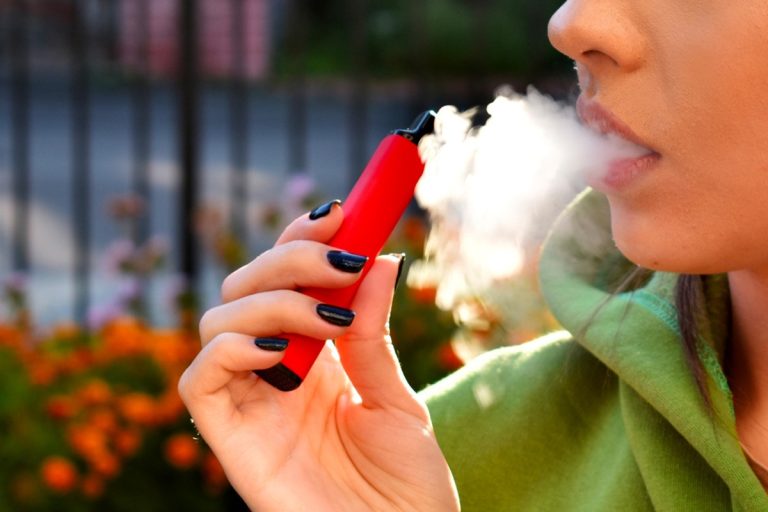
Nicotine dosage should not be taken lightly. In too large quantities, it can cause more or less serious symptoms. We explain everything about nicotine dosage and above all, how to avoid overdose.

What is nicotine dosage?

The nicotine dosage is, as its name suggests, the level of nicotine contained in your e-liquids. It really differs from the nicotine level contained in traditional cigarettes. In fact, e-liquid, even with a low dose of nicotine, remains stronger than classic tobacco. In other words, it is strongly recommended to be careful of overdose which can be common, especially for beginners.

By consuming too much nicotine with your electronic cigarette, several symptoms may appear. Some are mild, such as nausea, dizziness, headache, increased heart rate, throat irritation, tremors, etc. Others, however, can lead to very serious pathologies such as breathing problems, convulsions and even mental confusion.

As soon as you feel the effects of an overdose, stop vaping and consult your doctor or go to a pharmacy. The poison control center can also provide you with precise answers.

How to avoid nicotine overdose?

Just like traditional cigarettes, vaping carries risks. Nicotine overdose is one of them and should not be taken lightly. Vaping is not recommended for pregnant or breastfeeding women, people suffering from respiratory or cardiac difficulties as well as those following medical treatment.

This seems obvious, but it is essential to take e-liquids with a nicotine level appropriate to your tolerance. If you’re not sure, start with a low rate and gradually increase if you’re not satisfied. If you didn’t smoke before, there’s no point consuming nicotine in your e-liquids.

Each manufacturer provides very important information on their labels. So be sure to follow the recommendations as well as the dosage so as not to overdose on your e-cigarette.

Finally, just as with the classic cigarette, caution is required. Do not vape more than necessary. Not only is this not good for your health, but you also risk nicotine overdose by constantly using your e-cigarette.

Green Exchange Lab: Pioneer in cannabinoid extraction

With a history linked to hemp and a unique blend of high-end equipment and recognized expertise, Green Exchange Lab is positioned as one of the pioneers of cannabinoid extraction in France. Their journey began with a passion for hemp and an unwavering commitment to cultivating French expertise in the field of extraction.

The importance of extraction

The story of Green Exchange Lab is one of resilience and determination. Their journey into the world of hemp led them to a crucial realization: the importance of extraction in the hemp processing chain. With cannabinoid extraction until recently banned in France, the team honed their skills in neighboring Switzerland.

The frustration of having the know-how but being forced to send French biomass abroad to transform it was palpable. The dream was to develop the French hemp industry, and in 2022, this dream came true when they obtained confirmation from the ANSM to establish a cannabinoid extraction center in France. This is how the Green Exchange Lab extraction center was born on French soil.

Cannabinoid extraction in France

High-end equipment and recognized expertise

Green Exchange Lab is proud to offer a range of services, from expert support to the use of cutting-edge equipment that sets new standards in France. Their mission is to provide hemp producers and laboratories with clear and precise explanations on the extraction processes, allowing them to have all the information and clear traceability from the biomass to the finished products.

At the heart of their capabilities are three distinct extraction methods:

  • Supercritical CO2 Extraction: A cutting-edge method known for its precision and ability to produce high-quality extracts
  • Cryogenic extraction of bioethanol: The only method capable of obtaining the coveted organic label, demonstrating the company’s commitment to sustainability
  • Mechanical extraction: Used for “natural” lowering of flower rates, it ensures that no part of the hemp plant is lost

Expertise and quality

Green Exchange Lab relies on a set of fundamental values ​​to carry out all its activities:

Expertise in cannabinoid extraction: Their commitment to excellence means they only offer products and services for which they have in-depth knowledge, from initial seed to finished product. Their ambition is to become the benchmark for cannabinoid extraction in France.

Quality and traceability: The integration of extraction into their laboratory allows them to offer products of high quality and perfect traceability. This level of professionalism is rare in the French hemp industry, and Green Exchange Lab takes great pride in providing it.

Clean production methods: Their cryogenic bioethanol extraction method provides total transparency on the solvents used and certified organic. In the hemp industry, where such certifications are rare, this accomplishment highlights their dedication to sustainability and organic practices.

CBD Extraction Lab

CBD Extraction Lab

Biomass extraction

Green Exchange Lab offers a range of services adapted to the diverse needs of hemp producers and laboratories, and especially derived from the extraction from your biomass with all the necessary documentation to prove the quality of your product.

If you are a hemp farmer looking to harness the full potential of your biomass, Green Exchange Lab’s extraction center will be your partner of choice. It can help you process your biomass to create crude remedied – the first phase of extraction of hemp with a THC level below 0.3%, mother liquor, various distillates, isolates or even complete products based on CBD extracts.