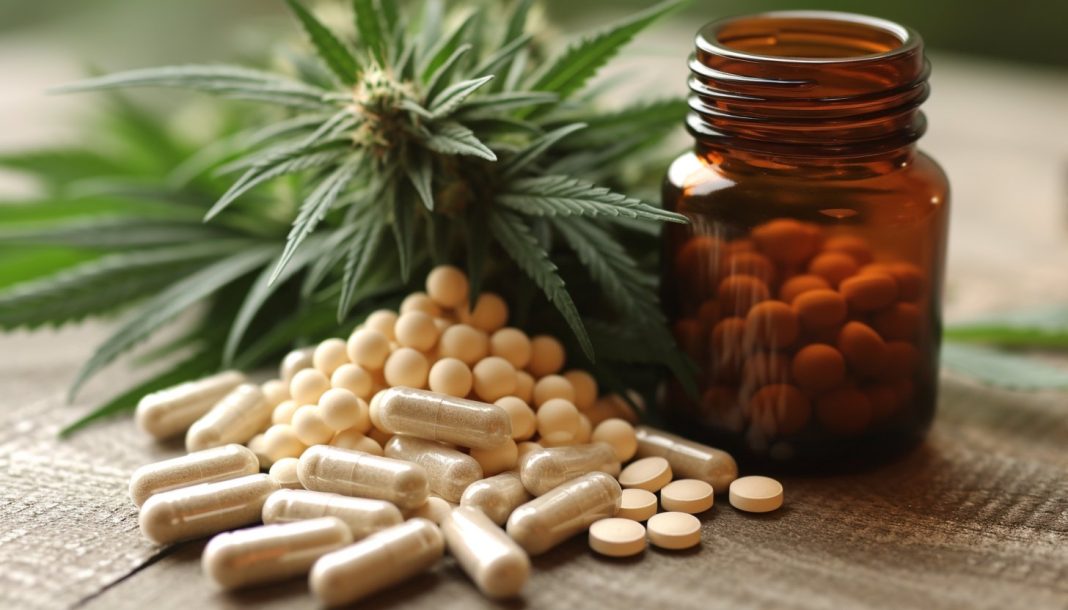


With the increase in popularity of CBD For its various benefits, such as anxiety and pain, it is essential to look into the possible interactions between these cannabis products and other medications. In this article, we will explore the relationship and possible implications of combining two specific substances – CBD and diclofenac.
What are CBD and Diclofenac?
Cannabidiol (CBD)
Cannabidiol, or CBD, is one of many compounds found in the cannabis plant. Unlike THC, the main psychoactive component of cannabis, CBD does not have an intoxicating effect on users. Instead, it offers a variety of medicinal benefits for different health conditions, including pain management, anxiety, as well as certain inflammatory conditions.
Diclofenac
Diclofenac belongs to the class of nonsteroidal anti-inflammatory drugs (NSAIDs). It is commonly prescribed to relieve various types of pain, including that of arthritis, headaches, menstrual pain, and dental pain. Like other NSAIDs, diclofenac works by inhibiting the production of prostaglandins, chemicals that cause pain and inflammation in the body.
Why be concerned about interactions between CBD and diclofenac?
When two medications or substances are used at the same time, there is a potential fordrug interaction, which can result in an increase or decrease in the effectiveness of the treatment. Drug interactions may also result in an increased risk of adverse effects for patients. This is why examining possible interactions between compounds like CBD and diclofenac is so crucial to ensuring safe and effective use for people consuming these substances.
How does the interaction between CBD and Diclofenac work?
The process by which our body absorbs and transforms drugs and other substances is known as metabolism. Several enzymes participate in this process to properly break down and remove molecules.
Enzymes and CBD
In the case of CBD, a family of enzymes called cytochromes P450 (CYP) plays a primary role in its metabolism. These enzymes are responsible for breaking down CBD into smaller, less active molecules, allowing them to be eliminated from the body. It has been shown that concurrent use of other medications can alter the way these enzymes metabolize CBD, potentially leading to variations in effects for users.
Diclofenac and the interaction with CBD metabolism
In the same way that CBD is metabolized by CYP450 enzymes, research has shown that Diclofenac also influences these enzymes. More specifically, diclofenac inhibits an enzyme called CYP2C9, which is responsible for the elimination of a number of drugs and substances, including CBD. This inhibition can lead to an interaction between the two substances consumed simultaneously.
When diclofenac inhibits the CYP2C9 enzyme, it can cause a decrease in the metabolism of CBD, leading to an increase in its concentration in the blood. If this happens, the effects of CBD may be felt more by the user. However, it is important to note that concentration levels vary depending on many factors such as age, gender, genetics and underlying health condition.
Implications for patients using CBD and diclofenac
As mentioned previously, concurrent use of CBD and diclofenac may result in potentiation of the effects of CBD. Some patients, especially those with a history of hypersensitivity or allergic reactions to medications, may be more sensitive to this interaction. It is therefore essential to discuss with your doctor to assess whether the joint use of these two substances is appropriate.
Recommendations for patients
- Talk to your doctor before adding CBD products to your current medications, including diclofenac.
- Start with a low dose of CBD and gradually adjust the dosage as directed by your healthcare professional.
- Use caution if you also use other medications that may interact with CYP450 enzymes, such as blood thinners.
- Monitor for any changes in your symptoms or side effects when using CBD and diclofenac together.
To go further: get help on weedy.fr
To find out more on the subject, do not hesitate to consult reliable resources and renowned experts such as weedy.fr, a reference site for cannabis products in France. There you will find all the necessary information on the interactions between cannabis products, such as CBD, and other medicines, as well as advice on their responsible use.