Home Blog Page 45

The Supreme Court of Canada upholds Quebec’s right to ban home cultivation of cannabis

The Supreme Court of Canada upheld last Friday that Quebec has the right to ban Quebecers from growing their own cannabis at home, ruling the provincial ban on owning and growing cannabis plants for personal use to be constitutional. .

The landmark case, which has been making its way through the courts since 2019 when it was brought by Quebec resident Janick Murray-Hall, argued that such a ban was unconstitutional.

The Quebec government had argued that it had the right to completely ban the cultivation of cannabis at home and that it was doing so to protect young people. The Supreme Court dismissed the appeal of that decision, finding that the provincial government’s ban on growing cannabis at home did not conflict with federal law that allows Canadians to grow up to four plants at home.

Although Mr. Murray-Hall’s legal team was initially successful, the provincial government appealed, and in September 2021 the Quebec Court of Appeal overturned that decision, stating that the province actually had the right to prohibit home cultivation of cannabis. His legal team appealed this decision, which led to the Supreme Court’s final decision.

Federal regulations allow Canadians to grow up to four cannabis plants per household. Provinces are allowed to place restrictions on this permission, for example by limiting the number of plants and/or requiring them to be grown in a secure area or out of public view.

However, when crafting cannabis law and regulations, the federal government argued that limiting the number of cannabis plants to zero, or outright banning them, would be outside of its purview.

The same goes for the federal age limit of 18 for access to alcohol, which the provinces can raise. All provinces and territories in Canada, with the exception of Alberta and Quebec, have set the age of access to cannabis at 19 years old. Alberta has set this age at 18 and Quebec at 21.

Quebec and Manitoba were the only two provinces to challenge this authority, banning home cultivation altogether. The decision could impact another case in Manitoba seeking to overturn that province’s own ban.

The judgment of the Court was rendered unanimously.

The ban on self-cultivation of cannabis in Quebec does not apply to persons authorized to cultivate cannabis for medical purposes. Being caught growing cannabis at home without a medical license is punishable by a fine of up to $750.

Jack Lloyd, lead counsel in a similar case challenging Manitoba’s home-grown cannabis ban, says he’s disappointed with the Supreme Court’s decision on the Quebec issue, but doesn’t think it weakens his case.

“While we are disappointed for Quebec, we do not believe that the Manitoba law is valid simply because of this decision. »

“Quebec’s objective was to strengthen its provincial monopoly and its sales, as in R. c. Comeau,” he continues. “Manitoba’s objective is to issue criminal penalties against cannabis growers, which is a purely criminal matter and therefore outside the jurisdiction of the Province of Manitoba. »

Mia Khalifa and Wiz Khalifa announce their collaboration

Wiz Khalifa has just announced a collaboration with former porn star, Mia Khalifa, in an unlikely but ultimately inevitable pairing.

For those unaware, Mia Khalifa’s stage name is actually a tribute to Wiz Khalifa, as the star was a huge fan of his music early in his career. The new collaboration is expected to center around the rapper’s cannabis brand, Khalifa Kush, without revealing much more about the content of the collaboration.

We just know that Mia Khalifa was able to taste some sweets from Khalifa Mints (Khalifa Kush x The Menthol).

Mia Khalifa Kush

Mia x Khalifa Kush

Sharing the news on Twitter, the rapper posted an image of him and Mia with a caption reading “You’re going to love this Khalifa Kush collab I made with Mia Khalifa.” Fans were quick to react, sharing their thoughts on the upcoming collaboration, which many of them have been waiting for for quite some time.

We will obviously remain attentive to this homonymous collaboration!

The Czech Republic is preparing its legalization of cannabis: Up to 5 grams per day, a register of consumers…

One week away from the symbolic “420” celebration, Czech cannabis lovers might have a new reason to smile. The Czech Republic plans to introduce a new regulated cannabis market allowing the consumption of up to 5 grams of cannabis per day for recreational purposes, and to legalize its cultivation and distribution.

The newspaper Seznam Zpravy reports that under new government plans, consumers will have to register in a database, and growers and sellers will have to pay annual fees. According to the state drug policy coordinator, Jindřich Vobořil, and the Pirate Party, the proposal could earn the government about 2 billion Czech crowns (85 million euros) a year.

Legalization is still in draft form and will be debated in the Czech parliament this month. If approved, it could be implemented as early as next year.

Currently, possession of small amounts of cannabis is decriminalized in the Czech Republic, but smoking cannabis for recreational purposes remains technically illegal. Cannabis for medical use has been legal since 2013.

“The cannabis black market is growing across Europe. In the Czech Republic, it seems that we have reached its ceiling, and I don’t see many other options to prevent it from working, other than to take the request and send it to legal sellers” said the coordinator drug policy, Jindřich Vobořil

More money, more control

Besides generating revenue, Jindřich Vobořil explains that the purpose of a strictly controlled market is to increase consumer protection while ensuring the safety of the cannabis produced. The Czech government also wants to better control the amount of cannabis on the market.

The anti-drug coordinator claims that approximately one million people use illegal cannabis in various forms in the Czech Republic every year.

Taxes and licenses

Under its new plans, the government would generate money by imposing licensing fees and an excise tax similar to that applied to cigarettes. He would also make money from the legal export of cannabis to other European countries where it would be legal. Growing hemp on large plots of land would cost hundreds of thousands of crowns, and an independent shop wishing to sell cannabis would have to pay an annual tax, starting at around 50,000 Czech crowns (2,000 euros).

According to the draft regulation, cannabis would only be available in specialized stores. Mr. Vobořil also indicates that the government “is working to ban advertising of cannabis products on the market” and that each type of packaging would not contain any advertising or images.

A consumer register

Consumers wishing to buy cannabis in stores will have to register their details in a special register. They will only be able to buy a limited quantity of cannabis per month, in order to prevent them from reselling their legal cannabis.

Symposium of April 13 on medical cannabis and CBD: the recap

It is between joy and disappointment that the actors of medical cannabis and CBD met yesterday for a symposium organized at the National Assembly on the initiative of the deputy Ludovic Mendès. Joy because since the first colloquium 4 years ago, the two subjects of this colloquium have made progress. Disappointment because the administrative and political blockages are still numerous and still injure sick people and producers and consumers of hemp.

In introduction, Robin Reda, former president of the Mission of information on the uses of cannabis, recognized that there was still a long way to go on cannabis in general, which sometimes unites, sometimes divides. If the resistance is still very strong, he considers that it is not due to Parliament, unanimously in favor of taking charge of the pain and suffering of patients and their families. However, administrative obstacles persist on medical cannabis, with few elements of understanding on its side.

Round table on therapeutic cannabis

At Nicolas Authier, it was grimace soup. The president of the temporary Scientific Committee for the follow-up of the experimentation of cannabis for medical use, tried in vain to look for something positive and new to announce on the experiment, he drew a blank. He nevertheless wished to recall that the reports on the “experiment” have all been positive and that the issue now lies beyond the conditions of access to therapeutic cannabis or the establishment of a hospital prescription.

He calls with all his wishes to get out of the experimentation, the limits of which have been reached for general practitioners, with a cumbersome patient inclusion procedure, and for hospitals which cannot meet demand.

“I don’t see what could prevent that from happening,” he said. “We need extremely strong support, from patients and politicians” to convince the Ministry of Health to give a very strong impetus to its administration towards the generalization of medical cannabis.

“If we don’t have a return before the summer, it cannot be integrated into the PLFSS 2024, and we will go towards stopping the experimentation” he summed up.

Mado Gilanton, president of the Apaiser S&C association and who treats herself with cannabis, was there to bring the patient’s voice.

“5 years ago, we came here with high hopes. Today, I am angry”. The absence of interest and the blockages of the General Directorate of Health as well as its calamitous management of the supply of cannabis-based drug experimentation have dampened its usual enthusiasm.

Franz Deschamps, president of Santé France Cannabis, the grouping of medical cannabis manufacturers, looked at what remained to be done at the regulatory level to allow French production of medical cannabis. 2 decrees which will supplement the 2022 decree are thus being drafted and will focus on securing cultivation sites and the safety and stability of future cannabis-based medicines.

CBD Roundtables

Two round tables were organized around CBD and wellness hemp.

The first involved Ludovic Rachou, President of the Union of Industrialists for the Valorization of Hemp Extracts (UIVEC), who was there to defend an isolated view of CBD, namely the need to classify the cannabidiol molecule as a supplement food for inclusion in food products. Beyond greater ease of regulatory understanding, the interest would be a 5.5% tax on this type of product and the possibility of health claims.

The UIVEC representative also announced that he had supported with the DGCCRF and the DGAL CBD limits of 50mg/day and 20% per bottle of CBD oil, as well as a THC threshold of 1 microgram / kilo. body weights for future in-store checks.

Conversely, the European Industrial Hemp Association (EIHA), the Union of CBD Professionals (UPCBD), the French Association of Cannabinoid Producers (AFPC) and the Hemp Professional Union (SPC) defended on a second round table a vision full-spectrum hemp in order, in particular, to give every chance to a future quality French sector.

Joke to start – “This is my 4th intervention on the subject. I will soon have made more interventions than certain deputies during their mandate” – Jouany Chatoux, representative of the AFPC, drew the portrait of the hemp producers with French workers who today would be between 600 and 1000. For the most part , their production of active hemp provides a significant additional income, with 70% of members of the association in organic production. Their harvest aims more for quality and is sold in a short circuit.

This scheme would also be idyllic if the threat of Novel Food did not hang over them. For the PSAC, the passage of CBD as a food supplement aims to kill the organic sector and the agricultural sector of active hemp, even if it means promoting the import of CBD isolate from the United States or Eastern European countries. The manufacture of CBD isolate indeed requires solvents that are not compatible with a biological final product. France will also have great difficulty in being competitive in the face of the very low prices of isolated CBD internationally.

The only way of competitiveness for hemp with French active ingredient then lies in natural extractions and full-spectrum, with the need to increase THC levels in plants for cost effective and quality extractions. A position shared by the EIHA, which is working at European level on a secure framework for the whole hemp plant.

If Novel Food is a European threat, another very French threat lies in the increase in THC screenings during roadside checks. Far from making the road safer, it has the non-negligible objective, according to Charles Morel, representative of the UPCBD, of targeting CBD consumers. 651,000 drug tests on the road were thus carried out in 2021 compared to 425,000 in 2019.

Logically, in 2021, offenses for driving under narcotics were higher than those for alcohol, even though alcohol represents the greatest risk of accidents. The UPCBD also recalled that beyond the repressive nature of these screenings, no risk prevention is done behind. Number for number.

Conclusion

In conclusion of the colloquium, Ludovic Mendès wanted this to be the last colloquium to be organized on medical cannabis and well-being hemp.

According to him, the blockages that exist at MILDECA, the Interior or Health are not necessary, while responses are needed to secure access to patients to therapeutic cannabis, even if it means decriminalizing them. patients who self-treat, and to better regulate road safety with an acceptable THC threshold or appropriate screening / behavioral tests with regard to the legality of the consumption of CBD flowers which may contain up to 0.3% of THC.

A bill should be presented quickly to respond to these points.

Europeans were already using psychedelic drugs in the Bronze Age

If archaeologists and historians have long suspected the inhabitants of Bronze Age Europe to have consumed psychoactive substances, they now have irrefutable scientific evidence.

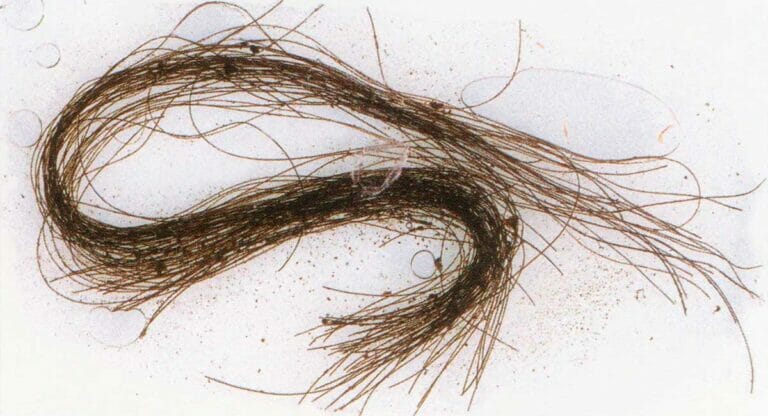
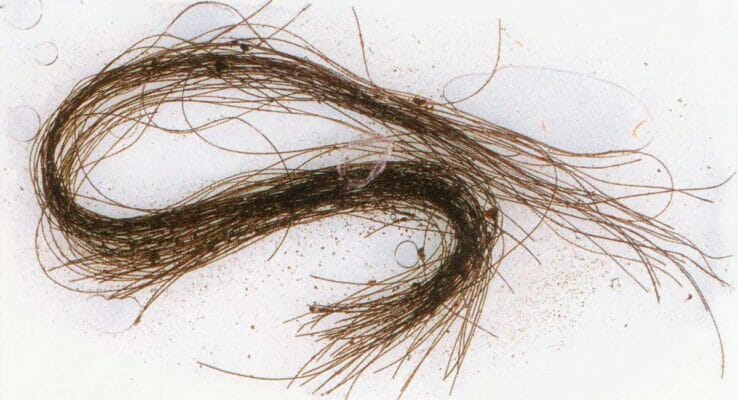
And it’s all thanks to several tiny strands of human hair found impeccably preserved at a 3,000-year-old burial site in Spain. The researchers found that this hair contained traces of three different alkaloid substances known to cause altered states of consciousness.

“It’s amazing,” said Rafael Mico, professor of archaeological prehistory at the Autonomous University of Barcelona. “This is the first direct evidence in Europe of the consumption [de drogues psychédéliques]. »

Mico is co-author of a new study describing these findings, which was published this month in the journal Scientific Reports.

The hair sample in which different psychedelics have been identified

The hair sample in which different psychedelics have been identified

A new analysis of a decades-old discovery

According to Mico, this is a discovery that has been made for decades. It all started in the mid-1990s, with the discovery of a cave in Menorca, an island off the east coast of Spain. The cave, called Es Càrritx, contained the remains of around 200 people from the Bronze Age.

According to Mico, some of these people had their hair dyed red. Locks of hair were found inside decorated tubular boxes made of wood and antlers. The archaeological finds inside the cave were exceptionally well preserved, as the cave opening had long since been closed by collapsed rubble.

“It’s a miracle to have found these strands of hair thanks to very, very particular conditions,” Mico said.

Initial analyzes of these hair samples didn’t tell the researchers much, according to Mico. But over time, the science got better, so they tried again. This time, they found evidence for the existence of three compounds that can be produced from native plants: the hallucinogens atropine and scopolamine, and the stimulant ephedrine.

Plants like mandrake (Mandragora autumnalis), henbane (Hyoscyamus albus), Datura and Ephedra are the likely sources of these different substances.

All three compounds are used in modern medicine for a wide variety of purposes, including atropine to combat nerve poisoning, scopolamine to treat motion sickness, and ephedrine to lower blood pressure during anesthesia. .

Analysis suggests that the person to whom the hair belonged would have consumed these psychoactive compounds regularly for at least a year before his death.

This isn’t the first time that Bronze Age peoples of what is now Europe have been found to use drugs, much like the people of pre-Columbian Mesoamerica. But earlier research was more circumstantial – for example, archaeological finds of what appeared to be smoking pipes.

“That’s why it’s important to keep the archaeological remains in good condition so that they can be analyzed in the future,” Mico said.

One of the psychedelic cave roomsOne of the psychedelic cave rooms

One of the psychedelic cave rooms

Why were they taking drugs?

It’s impossible to know for sure how these ancient cultures used mind-altering drugs, but Mico says the reason must have been very different from how we consume psychedelics today.

“In our society, we take drugs probably to escape, to forget disgusting or embarrassing situations. But we believe that in the past, in Menorca, drugs were only used by certain individuals to fulfill this specific social role (….)”, he said. “Our hypothesis is that these people were some sort of shaman. »

These shamans, according to Mico, would have acted as a kind of “intermediary” between real and everyday life and “another perception, another state of mind”.

HHC products banned from sale in Finland

European health authorities end up reacting country by country. After Austria or Switzerland (some companies, however, continue to sell it outside its borders), Finland prohibits the sale of products containing HHC, a derivative of hemp which is in a legal gray area and which is moreover increasingly present on the market, raising the concerns of regulators.

HHC products are now widely available in Europe, driven by the development of the “legal” synthetic minor cannabinoid market in the United States.

HHC is marketed as having near-similar effects to THC found naturally in cannabis. The process of making HHC has been known since the 1940s. It was originally made from THC but is now derived from CBD via different synthetic techniques.

A European subject

The European Monitoring Center for Drugs and Drug Addiction (EMCDDA) looked into the subject at the end of last year, considering that hexahydrocannabinol was the first semi-synthetic cannabinoid reported in the European Union.

According to a small number of laboratory studies reported by the EMCDDA, HHC appears to have broadly similar effects to THC. The pharmacological and behavioral effects of HHC in humans have not been studied, although anecdotal reports from users indicate that its effects may be similar to those of cannabis.

“HHC is openly sold as a ‘legal’ substitute for THC and cannabis in a range of very attractive branded and unbranded products, some of which are sold as ‘legal drugs’. These include hemp vaporized or mixed with HHC – which looks and smells like “real” cannabis – as well as vapes and edibles. Marketing and advertising often make direct comparisons with the effects of THC and cannabis,” explains the EMCDDA.

Banned in Finland, but not in Sweden

In January, Finland therefore classified HHC as a psychoactive substance prohibited for sale. This classification prohibits the manufacture, import, sale, transfer and storage of HHC. However, the use and possession of these substances is not yet prohibited by current Finnish legislation.

In practice, this is a step towards the designation of HHC as an illegal drug, suggested Katja Pihlainen, senior inspector at the Finnish Medicines Agency (Fimea).

“These products are borderline legal. Even though they are made from industrial hemp, they often contain THC. Therefore, they are narcotics,” Mr. Pihlainen warned.

Estonia has already classified HHC as an illegal drug. Belgium and Hungary should quickly do the same.

In Sweden, for now, online shops continue to sell HHC-based products. According to Katja Pihlainen, Sweden has also started the process of banning HHC.

Cannabis suppositories for aftermath

You know that feeling of “I’m never going to drink again!” » but you have a day ahead of you to recover from your excesses of the day before?

Hello Again suppositories are an innovative product designed to avoid precisely this situation. They contain a blend of cannabis and other natural botanicals like turmeric, rosemary, and ginger, all meant to promote balance and reduce hangover symptoms.

Originally, Hello Again was an all-natural line of cannabis-infused suppositories for women of all ages. The brand initially targeted women in perimenopause or menopause, via suppositories intended to reduce the symptoms of these two periods, and decided to open its clientele with its Hello Again Hangover product.

Hello Again Vaginal Suppositories are formulated with carefully chosen CBD/THC ratios and natural botanicals to target specific ailments and help women feel like themselves again, no matter what life stage they are in. find. The suppositories target the high concentration of cannabinoid receptors in the reproductive system, with cannabinoids and other plant actives being absorbed faster and with optimal efficiency. This unique application allows consumers to harness the power of THC in higher doses without the psychoactive effect.

Thanks to the cannabis associated with natural plants, the product helps to support the body and the spirit in these complicated days. Hello Again Hangover aims to relieve common symptoms associated with hangovers, including brain fog, pain, and anxiety.

Each suppository contains 20mg of THC, 15mg of CBD and botanicals such as avocado oil, turmeric, juniper berry and ginger. According to customer recommendations, it can also be used before going to bed to avoid a hangover.

Suppositories have been used for hundreds of years as an effective method of drug delivery and these cannabis suppositories are deliberately designed to meet the needs of today’s women, even those who may have had too much to drink! They are unfortunately only available in California.

Germany will unveil its revised and corrected cannabis legalization plan today

Germany will unveil a revised plan to legalize cannabis nationwide on Wednesday.

German Health Minister Karl Lauterbach said on Twitter on Tuesday that “tomorrow there will be new cornerstones” for the cannabis reform legislation the government has prepared.

Mr Lauterbach and Federal Minister of Food and Agriculture Cem Özdemir will discuss the cannabis proposal at a press conference on Wednesday 12 April.

“Cannabis legalization is imminent,” Lauterbach said.

The legislation was originally due to be released in the second half of 2022, but that deadline was extended “for timing reasons” as officials reportedly worked on revising it to avoid a potential conflict with international laws.

Reports said the bill was scaled back from the national cannabis trade framework the government had previously released, with details indicating officials intended to take a bifurcated approach to reform.

The government’s revised plan would allow adults to own and grow cannabis for themselves on a limited basis and allow growers to grow and distribute cannabis in Cannabis Clubs, similar to those in Spain that will soon exist. in Malta.

There would then be a selling component, according to unverified reports. But it would be limited to creating regional pilot programs, placing dispensaries that can sell cannabis in certain parts of the country so the government can assess broader commercial legalization.

However, RND reported on Tuesday that the government would go ahead with the scaled-down plan, with new information on the specifics of the proposal, including that it would allow consumers to own up to 25 grams of cannabis and grow up to three plants for their personal use.

Cannabis clubs would also be included, as would regional commercial sales pilot programs. The limited trials would run for five years and the country would simultaneously conduct scientific studies on how the stores affect consumer trends and the illicit market.

The various luxury smoking articles of the Porsche brand

When talking about Porsche, the majority of people will refer to sports cars. However, a handful of insiders also know that the famous Prancing Horse brand also shines in luxury smoking accessories. Focus on the Porsche Design brand.

Porsche Design: a prestigious brand

We no longer present the Porsche brand, now world famous. Inherited from Ferdinand Alexander Porsche since 1963, it offers high-end vehicles, the very first of which remains the essential 911. Over time, Porsche has carved out a solid reputation and is one of the most prestigious brands in the world. automotive world. Taking advantage of its notoriety, it quickly developed into other worlds, such as lifestyle and sports fashion, as well as accessories (luggage, glasses, watches), but also in electronics and smoking accessories.

Smoking accessories from the Porsche brand

Maintaining its prestigious side, Porsche now designs smoking articles in the broad sense. Indeed, whether you smoke cigarettes, cigars, pipes and even hookah, Porsche has established itself in all smoking sectors.

The materials used are all more noble than each other and the design is as elegant as that of luxury cars. Flawlessly reliable, smoking accessories are designed by specialists in the field and are also equipped with all the relentless technology of the car manufacturer.

The Porsche hookah and its various accessories

The Porsche hookah is available in two models themselves offered in two different colors. Sober and elegant, they are available from 1,650 euros each.

Note that there are also two shisha accessories sold by Porsche. The first is none other than the spare glass vase. This allows you not to have to buy a whole hookah if the vase were to break. The second is just as useful and essential since it is the replacement hose designed in leather for maximum resistance over time.

The Porsche lighter and cigar cutter

Several models of Porsche lighters are also available from 99 euros, as well as cigar cutters for lovers of swirls. Sobriety is required for these smoking accessories which are nonetheless discreet, functional and effective.

Will MILDECA entrust the monopoly of the sale of CBD flowers to tobacconists?

A ministerial meeting should have been held on April 4 but the non-aligned government positions and social unrest got the better of it. It was therefore postponed to a later date. The challenge was, however, for this second meeting on the subject, to continue to outline the future regulation of the sale of CBD flowers in France.

The scenario has been circulating for a long time in people’s minds and yet has never been officially requested by tobacconists. Not out of altruism, but because a tobacco product is heavily taxed and therefore less profitable. While CBD is, for now, more interesting than a pack of cigarettes in terms of taxes.

According to our information, the MILDECA is however working on a drastic tightening of the CBD flower market to potentially entrust them with a monopoly.

The underlying idea is to introduce an excise tax on the sale of hemp flowers and to authorize only one distribution channel: that of tobacconists. Production would still be entrusted to “active farmers”, as already specified in the Decree of December 30, 2021, who will have to conclude production contracts with approved manufacturers, in the customs sense of the term.

Contacted by us, the MILDECA does not confirm that it is working on the subject. However, it published last December in a press release that it “continued its reflection in order to prevent these risks by developing a regulatory framework suitable for the marketing of these raw flowers and leaves”. But as often with MILDECA, communication is complicated.

Philippe Glory, vice-president of the Confederation of tobacconists and in charge of the work carried out on the CBD, confirms that the MILDECA is in the process of “laying a text”. The Confederation is not invited to the working table, interministerial meeting obliges, and above all does not ask for exclusive sales.

“They may talk about excise duties but that does not mean that they are reserved for tobacconists” confides Philippe Glory. For context, Luxembourg and Belgium have excise duties of around 30% to which VAT must be added.

“It’s blurry, there is nothing written,” he says. Above all, he emphasizes to us the need to “provide good service and quality, which was not always the case with some of our colleagues when they started to market CBD”.

On the political side, we contacted Ludovic Mendes, Renaissance deputy, who is organizing a symposium on medical cannabis and CBD next Thursday at the National Assembly. He is not aware of these meetings either, without being surprised.

” Everytime it’s the same. They work behind closed doors and then present a text. »

Same story on the side of the Professional Union of Hemp. Aurélien Delecroix, its president, is not aware of the work of the MILDECA and the avenues envisaged. He nevertheless readily imagines that the interministerial mission still has the snub of December 2022 in its throat and will not necessarily want to include the hemp associations at the origin of the decision of the Council of State.

What timing for this project? One of the ideas that is in transit would be to integrate it into the 2024 finance plan (PLFSS) to start on January 1, 2024. All that remains is to pass a decree to specify all the “rules”. And close all the CBD shops in France and Navarre at the risk of developing a black market for CBD?