Home Blog Page 7

How long is THC detectable in blood, urine, saliva or hair?

0


Have you ever been to a family meal or an evening with friends where the effects and regulations of cannabis were discussed? An often heated debate but oh so fascinating! Today, let's look at a burning question that may concern any occasional or regular user: How long does THC stay in our circulatory system? Let's shed light on this enigma in detail to dissect together the twists and turns of THC, this famous…and sometimes misunderstood molecule!

Table summarizing how long THC is detectable in blood, urine, saliva or hair

Part of the body Detection times for casual users Detection time for regular users
Blood 1-2 days Up to 7 days
Urine 3-7days 10-30 days and more
Saliva 1-3 days Up to 7 days
Hair Up to 90 days (depending on frequency of consumption) Up to 90 days (depending on frequency of consumption)

Understanding THC and its journey through the body

Let's discover together Tetrahydrocannabinol (THC), the emblematic molecule of cannabis. Essential reading for anyone wanting to deepen their understanding of cannabis and its active components.

What is THC?

At the heart of cannabis: Discover the plant that revolutionized the world of well-being.

Tetrahydrocannabinol, more often called THC, is the well-known psychoactive component of cannabis. But beyond its euphoric power that makes you stoned, do you really know what it represents? THC is the main culprit for altered sensations after consuming cannabis. It acts directly on the brain by binding to cannabinoid receptors. These interactions are at the origin of the various psychotropic effects experienced.

THC metabolism

Let's explore together the fascinating journey of THC in the body, from its absorption to its breakdown.

THC's journey through the body is a complex and fascinating adventure. When cannabis is consumed, THC enters the bloodstream. Either directly through the lungs when smoked, or through the digestive system if ingested. Once in the bloodstream, THC travels quickly to the brain, where it exerts its notorious effects. But this is only the beginning of his journey.

Next, the liver comes into play, transforming THC into various metabolites. These metabolites are the result of the breakdown of THC by liver enzymes. The most notable of these transformations is the conversion of THC to 11-hydroxy-THC. A metabolite even more psychoactive than THC itself. The ingestion of cannabis by the consumer accentuates this metamorphosis and its effects.

Degradation products and their role in screening tests

The hunt for THC doesn't stop there. THC metabolites continue their journey through the body, and that's where drug testing comes in. Among these metabolites, the best known is THC-COOH (11-nor-9-carboxy-THC acid). It is non-psychoactive but stays in the body longer than THC itself.

Drug tests generally look for the presence of THC-COOH in urine, blood, or hair, as its presence indicates recent cannabis use. Its longevity in the body can thus reveal cannabis use long after its effects have worn off, which is crucial to understanding how and why drug tests work.

What are the different methods used to do a drug test?

The detection of illicit substances in the human body can be done in several ways, each having its specificities and contexts of use. Here is an overview of the most common methods used for drug testing, including the presence of THC: blood test, urine test, saliva test and hair test.

Blood test

Close-up of blood test results with a blood sample

Blood testing is considered one of the most accurate methods for detecting the presence of drugs. It allows active substances to be identified directly in the blood. Blood tests are an invasive method, requiring blood to be drawn through a needle. The results may indicate very recent use, as the blood is the first to be affected after taking substances.

A THC blood test can highlight recent use since it does not bind to blood cells for long. Most tests cannot detect THC after 6 hours, but it can be up to 7 days for some regular users.

How long does THC stay in the blood?

• Short term: Ju1less than 6 hours for occasional consumption.

• Variable: Up to 7 days for frequent or excessive use.

Urine test

The urine test is probably the most common due to its simplicity and relatively low cost. It involves testing a person's urine for the presence of specific metabolites, substances produced when the body breaks down the drug. Although less immediate than the blood test, it is effective in identifying consumption over a longer period.

Urine tests do not measure THC directly but rather a non-active metabolite called THC-COOH. This substance is found much longer after the effects have worn off.

How long does cannabis stay in urine?

• Occasional: From 3 to 10 days after single use.

• Regular: Can be detected for up to 30 days or more.

Close-up of urine test results with a urine sample

Saliva test

The saliva test is gaining popularity for its ease of administration and non-invasive nature. This test analyzes saliva for traces of drugs. It is particularly useful for detecting recent consumption, as the substances may be present in saliva shortly after ingestion.

How long does THC stay in saliva? Saliva tests are often used for rapid and unannounced checks, particularly in terms of road safety. THC is detectable shortly after consumption and can remain there for up to 72 hours. This means that a saliva test could reveal recent use even if the psychotropic effects have worn off.

• Immediate: Detectable from the first minutes following consumption.

• Short duration: Generally up to 72 hours.

Hair test

The hair test is unique in that it can detect drug use over a much longer period of time, sometimes up to 90 days. This test analyzes hair follicles, where drug metabolites can accumulate. It is less used for immediate screening tests, but it is valuable for establishing long-term consumption times.

Close-up of taking a hair sample in the laboratory

What factors can influence how long THC is present in the blood or body?

Cannabis, this controversial protagonist of scientific and societal debates, offers fertile ground for research on its pharmacokinetics, particularly on the length of stay of THC in the body. Why does this elusive molecule sometimes persist in our systems for so long? Here is some insight into the variables at play.

Everyone's body: metabolism and genetics

First, the rate at which THC metabolizes is a matter of individual body mechanics. The pharmacokinetics of THC, studied in extensive research, reveals that each organism's ability to process THC varies greatly. Think of metabolism as a highway: some speed along, eliminating THC quickly, while others move at a cruising pace, retaining the substance for longer.

Added to this is the crucial influence of genetics. Your genetic makeup, which gave you your enzyme arsenal, determines how quickly THC is broken down. Some individuals, with more robust molecular machinery, can metabolize THC more efficiently.

The dosage or quantity of THC consumed as well as the frequency of consumption

The amount consumed and frequency of use directly influence how long THC remains in the body. The higher the dose of THC, the longer it takes to be eliminated. Products with a high concentration of THC, such as hash or pollen, can introduce a significant amount of THC into the system, even in small amounts. Furthermore, occasional use of THC dissipates more quickly, while regular consumption leads to accumulation and prolongs the detection period. These elements are crucial to understanding the pharmacokinetics of THC, both for users and for health and legal professionals.

Weight or body mass

Close-up of a person's feet on a scale symbolizing body mass
The weight of the question: Body mass and its role in THC absorption.

Finally, body mass plays a significant role. Since THC is fat-soluble, it tends to lodge in fatty tissues. Thus, an individual with greater body fat can theoretically retain THC longer.

  1. More fat = More storage.
  2. Less fat = Accelerated elimination.

In short, the unique combination of your metabolism, genetics, consumption habits, and body composition creates a distinct pharmacokinetic profile, defining how long THC is present in your body. This knowledge is essential for navigating the sometimes opaque fog of cannabis effects.

What about THC in the blood when consuming CBD?

A person holding a dropper of CBD oil
Precision and well-being: CBD in its purest and controllable form.

CBD (cannabidiol) products often contain a small amount of THC (tetrahydrocannabinol), raising questions about the detection of THC in blood tests after CBD consumption. CBD flowers typically have less than 0.3% THC, which translates to 3 mg of THC per 1 gram of flowers. The bioavailability of THC, or the amount absorbed into the bloodstream, depends on the method of consumption – approximately 30% for combustion and 50% to 80% for vaporization. If you want to know how many grams of CBD to put in your joint, read our dedicated article.

Studies show that the bioavailability of smoked THC is around 30%, with peak blood plasma THC levels reached in around 10 minutes. Drug tests have specific detection thresholds for THC, and even low amounts found in CBD can be detected, especially if the test is taken soon after consumption.

Legislatively, even the small presence of THC in CBD products can have implications, particularly in countries with strict regulations on THC such as France. It is therefore crucial to choose quality and transparent CBD products to ensure compliance with local standards. In summary, although the concentration of THC in CBD is low, it remains significant for detection and legal implications, highlighting the importance of choosing reliable products like those offered by uWeed. To find out more, we advise you to read our dedicated article on the differences between THC and CBD.

Is it possible to speed up the elimination of THC from the body?

A person holding several cannabis joints in their hand
Choice and diversity: The many faces of rolled cannabis.

Often, those who consume cannabis wonder: is it possible to accelerate the elimination of THC from the body? Well, let's get to the heart of the matter! THC, the main psychoactive compound in cannabis, is metabolized by the liver and eliminated primarily through urine and feces. Note that the liver produces metabolites which will remain in the blood much longer.

Factors affecting duration of detectability

Close-up of a bottle of Evian water symbolizing hydration
Hydration and health: Water, an essential ally in cannabis consumption.

The duration of THC detection in the body is influenced by various essential factors:

  • Hydration : Adequate hydration can promote normal metabolism and kidney function, helping with the regular elimination of toxins, including THC.
  • Physical exercise : Regular exercise can improve overall metabolism, potentially helping the body eliminate THC more efficiently. However, it is important to note that exercising right before a test can sometimes temporarily increase THC levels, due to the release of THC stored in fat cells.
  • Diet : A balanced diet, rich in fiber, can help accelerate intestinal transit, thus contributing to the faster elimination of substances via the stools. This may be particularly relevant for THC, as some is excreted through the feces.

In conclusion, although there are methods to support the natural THC elimination process, there is no silver bullet to significantly speed up this process during testing. Understanding individual factors and patience remain the keys to effectively managing THC levels in the body.

To be negative for THC (tetrahydrocannabinol) during a blood test, you must understand that time is a key factor. THC is metabolized and eliminated gradually, and this process cannot be significantly accelerated. The length of time THC remains detectable varies depending on frequency of use and individual metabolism.

Although there is no proven method to eliminate THC from the bloodstream faster, maintaining a healthy metabolism and proper hydration can help the body follow its natural elimination process. However, no method guarantees accelerated elimination.

The elimination of THC from saliva also depends on individual metabolism and the time since last consumption. Methods such as brushing your teeth, using mouthwash, or staying well hydrated can help lower the concentration of THC in saliva, but they do not offer an instant solution.

What are the implications and consequences of a positive THC test result?

Dashboard of a car symbolizing driving under THC
Responsibility while driving: The impacts of THC on driving.

When testing for the presence of THC in the blood, the implications and consequences may vary depending on several factors, including the legislation in force in the country concerned. In France, the legal framework around THC is particularly strict, especially with regard to driving.

In France, the legislation regarding THC levels in the blood is rigorous, particularly when it comes to driving. For drivers, the presence of THC in the blood is prohibited, regardless of the level. Indeed, the tolerance is zero. This means that any driver testing positive for THC is subject to criminal sanctions, regardless of the concentration detected. This zero tolerance policy aims to guarantee road safety, as THC can affect motor skills and judgment.

Tips and steps to follow if you test positive for THC

In the event of a positive THC test, follow these essential steps:

Know the consequences: A positive result can result in severe sanctions in France by law enforcement, especially for drivers.

Consult a lawyer : Get quick legal advice from a specialist in traffic law or drug-related offences.

Document the test: Record test details for possible legal defense.

Medical assistance : If necessary, seek medical help for health or addiction concerns related to THC use.

Acting quickly and informed is crucial to managing the implications and risks of a positive THC test.

B2B Event: Join Club Confluence on February 1st in Paris!

The next Confluence Club, which brings together cannabis / hemp / CBD professionals, will take place in Paris on Thursday February 1 from 7 p.m.

The event, co-hosted by Newsweed, is open to registered attendees only. You can register at the following link.

The Confluence Club: a convergence of actors

The Confluence Club makes it easier to meet new people who work in the field of cannabis and hemp in France. This informal venue allows for meaningful connections and professional partnerships that extend beyond these events.

Since 2020, a community and a meeting space have been created which work towards the prosperous development of a professional cannabis network in France. The event is reserved for registered people and the number of participants is limited. The Confluence Club thus wishes to ensure that the mission and values ​​of the Club are aligned with everyone who joins the events.

Registration is free and can be done directly on the Club Confluence website. The location and time of the event will be sent directly to those registered.

You can follow the activities of Club Confluence by registering on the LinkedIn group of the same name.

Hemp cannabinoids could serve as the basis for natural pesticides

0


In a recent study at Cornell University, researchers have uncovered a potential agricultural breakthrough: cannabinoids found in hemp could serve as the basis for natural pesticides.

The study, led by Larry Smart, a plant breeder and professor at the School of Integrative Plant Science in the College of Agriculture and Life Sciences from Cornell AgriTech, highlights the defensive properties of cannabinoids against herbivores, opening new possibilities for sustainable pest control in agriculture.

The defensive role of cannabinoids

For decades, cannabinoids, including CBD and THC, have been studied primarily for their medical and psychoactive effects. Recent research at Cornell suggests that these compounds may play a crucial role as “defensive compounds” in plants, protecting them from ultraviolet rays, pathogens and herbivores.

Larry Smart notes, “They have been assumed to be defensive compounds because they accumulate primarily in female flowers to protect seeds, which is a fairly common concept in plants.”

Cornell’s hemp breeding program, launched in 2017, provided a platform for this groundbreaking discovery. Different hemp cultivars have been evaluated for their susceptibility to pests, with varieties lacking cannabinoids experiencing significant insect damage. Conversely, strains containing cannabinoids, such as CBDA and CBGA, suffered significantly less damage from pests such as the Japanese beetle.

Experimental and future perspectives

Controlled laboratory feeding studies isolated CBDA and CBGA, the precursor compounds of CBD and CBG, respectively. The researchers observed that as cannabinoid concentration increased, insect larvae showed reduced growth and lower survival rates.

George Stack, a postdoctoral researcher who participated in the study, explains the importance of these results: “The study gives us insight into how cannabinoids function in natural systems and can help us develop new hemp cultivars. compliant with THC that maintain these built-in natural defenses against herbivores.”

Although the potential use of cannabinoids as pesticides is exciting, there remain challenges. The study highlights the need for further research to identify the specific parasites against which cannabinoids are effective. Regulatory barriers, which arise from the pharmacological effects of these compounds, also pose obstacles to their widespread adoption in agriculture.

Future research will aim to explore the impact of cannabinoids on sap-sucking insects, such as aphids, and assess whether other cannabinoid-producing plant species share similar insecticidal properties. Researchers are particularly intrigued by the concept of convergent evolution, according to which the same adaptation appears independently in different species.

How to prepare a relaxing CBD infusion

0

To make an effective CBD infusion, you will need good quality CBD flowers and add a fat. In this article we explain how to make an infusion with CBD flowers, step by step, in order to maximize the extraction of the benefits of this plant. Details on the choice of flowers, the ideal quantity and tips for a personalized infusion will soon be in your hands!

Table of Contents

Summary of preparing a CBD infusion

The basics of a successful CBD infusion

A successful CBD (or cannabidiol) infusion is based on two essential pillars: the quality of the CBD flowers and the addition of a fatty substance. Let’s explore together why these aspects are key and how to master them for a perfect brew.

Close-up of hemp flowers, a key ingredient for a quality CBD infusion.

1) Select the best CBD flowers

Perhaps the most important ingredient in your hemp infusion is the CBD flower. The quality of the flower directly impacts the taste of your infusion and the availability of active cannabinoids.

But how to choose the best CBD flower? Several criteria must be considered:

  • The amount of THC contained in the flower
  • Hemp dosage
  • The type and origin of culture
  • The ORGANIC label
  • Taste
  • The packaging

CBD Indica strains, for example, are particularly recommended for their use in the treatment of anxiety, sleep disorders, chronic stress and for a moment of relaxation.

At uWeed France, our CBD flowers are 100% Swiss and carefully selected to guarantee an unrivaled experience. Cultivated indoors, outdoors or in a greenhouse, based on organic CBD or not, they offer a unique diversity to meet your tastes and needs. You can also find CBG flowers as well as ready-to-use CBD teas or herbal teas. All at attractive prices and fast delivery in France, so that well-being rhymes with accessibility.

2) Add a fatty substance to the infusion

Now that you know how to choose the best CBD flowers, let’s talk about the second pillar of a successful CBD infusion: adding a fat. CBD is fat-soluble, meaning it has difficulty dissolving in water. This is why the addition of a fatty substance, such as milk or coconut oil (more appreciable than vegetable oil), is crucial to promote optimal absorption of CBD by your body.

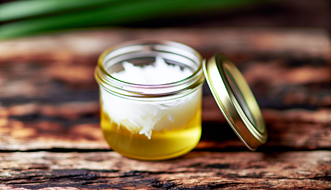
Coconut oil is a fatty substance associated in a CBD infusion
Coconut oil, an ideal fatty substance to combine in a CBD infusion for better absorption.

Here are the different types of body fat you can use:

  • whole milk
  • coconut oil
  • butter
  • cocoa butter
  • alternatives to cow’s milk such as almond, soy or oat milk

Step-by-step preparation of your CBD infusion

The preparation is done in two essential stages: decarboxylation, which consists of activating the cannabinoids present in cannabis flowers, and the infusion process itself, which requires a specific infusion temperature and duration.

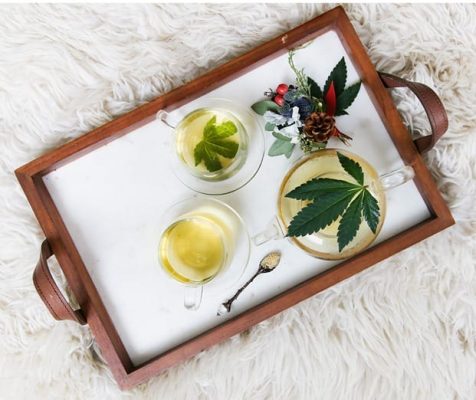
A teapot filled with CBD infusion
An elegant teapot filled with CBD infusion, perfect for a moment of relaxation.

Decarboxylation: activate the benefits of CBD

Decarboxylation, essential for activating CBD components, is the first critical step in preparing a hemp infusion. It transforms inactive cannabinoid acids into active compounds. To do this, you will need to decompose the flowers on a baking tray andPlace in the oven at a temperature of 110-130° for 40 to 45 minutes. This method increases the effectiveness of the benefits of CBD in the infusion. Unlike non-decarboxylated flowers, less effective, because they release fewer active ingredients.

The brewing process: temperature and duration

After decarboxylation, we can move on to the infusion stage, in hot water. For this, you will need a kettle or a saucepan. The most common method is to:

  1. To boil the water
  2. Add fat and hemp flowers
  3. Let simmer for 10-15 minutes
  4. Let cool.

If you are using a ready-to-use CBD herbal tea, typically the recommended infusion temperature (and duration) is specified on the product packaging. For raw flowers, infuse the CBD at a temperature between 85-90° Celsius. Avoid a higher temperature which could alter the effects and taste of the infusion by eliminating cannabinoids, flavonoids and terpenes.

Customizing your CBD infusion

Now that you know how to make an infusion, let’s master the basics of making CBD infusion. Let’s move on to personalization. You can add aromatic or medicinal plants to your infusion to give it a unique taste and enhance its effects.

Aromatic and medicinal additions

To personalize the flavor of your CBD infusion, you may consider adding a tea bag (like rooibos) or herbal tea. It is also advisable to include aromatic or medicinal plants according to your taste preferences. The most suitable medicinal plants to integrate into a CBD infusion are:

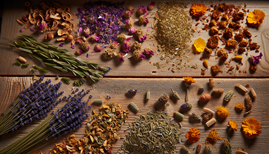
Example of dried plants to flavor the CBD infusion
Example of dried plants used to enrich and flavor CBD infusion.
  • the hemp flower
  • cinnamon
  • ginger
  • cloves
  • chamomile
  • verbena
  • lemongrass

To correctly dose aromatic additions such as dried plants or essential oils, it is recommended to start with 1 teaspoon of CBD booster added to your usual herbal tea and adjust according to your preferences. You can also add a few drops of CBD oil to it.

Drink variations: from green tea to latte

In addition to flavor additions, you can also vary the types of drinks you make with CBD. For example, you can make a CBD-infused green tea or a hemp latte. To prepare a hemp latte with CBD, replace boiling water with milk and add black tea and spices. You can enhance the flavor of your hemp latte by adding spices such as cinnamon, ginger, anise, cardamom, black pepper, bourbon vanilla, and licorice root.

Green tea infusion with CBD is recognized for its beneficial effects on:

  • digestive and intestinal disorders
  • its ability to reduce bloating
  • to promote the elimination of toxins
  • its antioxidant, stimulating and relaxing properties

Thus, varying the types of drinks in different ways not only allows you to vary the pleasures, but also to enjoy different benefits.

The benefits of CBD infusion for well-being

Now that you know how to prepare and customize your CBD tea, let’s talk about the many benefits it offers for your well-being.

CBD infusion for well-being
CBD infusion, a preferred choice for well-being and relaxation.

CBD infusion is known for its relaxing effects by helping to reduce stress and anxiety, improving sleep, relieving pain and inflammation as well as aiding digestion.

Stress relief and improved sleep

CBD tea, also known as cannabidiol, is particularly beneficial for helping manage stress and anxiety. The effects of CBD contribute to the reduction of stress and anxiety by regulating the production of cortisol and promoting the secretion of serotonin, a mood-regulating hormone.

That’s not all, CBD flower infusion is also beneficial for promoting quality sleep. CBD affects sleep quality by regulating serotonin, which reduces anxiety and contributes to more restful sleep.

Pain relief and aids digestion

In addition to its calming effects, CBD infusion also has analgesic and anti-inflammatory effects. CBD modifies the perception of pain, has anti-inflammatory properties and helps relax muscles and reduce spasms. It also acts on muscle and joint pain by binding to endocannabinoid receptors.

CBD infusion is also beneficial for digestion. CBD may aid digestion by:

  • increasing the level of anandamide in the body
  • acting on CB1 receptors in the medulla oblongata
  • having soothing, detox and anti-emetic properties
  • by reducing the sensation of pain.

Tips for responsible CBD consumption

Although CBD infusion offers many benefits, it is important to consume responsibly. This includes finding the right dosage for you and choosing the most appropriate time of day for CBD consumption.

Finding the right dosage for you

The first step to responsible CBD consumption is finding the right dosage for you. Here’s how to do it:

  1. Start with a low dose.
  2. Increase gradually until you find the appropriate dose.
  3. You can start with a small amount of hemp flower crushed into crumbs (using a grinder) or one to two cups of herbal tea per day.
  4. Gradually increase the dose.

However, note that overdosing on CBD can lead to side effects such as:

  • dry mouth
  • hypotension
  • diarrhea
  • decreased appetite
  • mood swings
  • the sleepiness.

Frequency and time of day

Frequency and time of day are also important for proper CBD consumption. To obtain an energizing effect, you can consume the CBD infusion at any time of the day. On the other hand, to promote relaxation and sleep, it is recommended to drink it a few minutes before bedtime.

It is recommended to adopt a reasonable daily consumption of CBD infusion, i.e. between 40 and 100 mg per day, to benefit from its benefits over time.

Conservation and sustainability of ingredients

To maximize the enjoyment of each cup of CBD infusion, be sure to store the ingredients carefully, ensuring consistent quality and freshness with every tasting.

Example of a glass jar to store these CBD flowers as part of a CBD infusion
A glass jar, optimal storage solution for maintaining the freshness of CBD flowers intended for infusion.

Optimal storage of CBD flowers

Optimal storage of CBD flowers requires keeping them dry, away from light and heat, in airtight containers such as glass or stainless steel jars, at a temperature of around 15°C to preserve their properties.

Lifespan and quality of infusions

CBD infusions, properly stored, can be kept for between 6 months and 1 year. Their durability depends mainly on their protection against light. Experience shows that alteration of color, texture or material signals that the infusion is no longer consumable.

In summary

In conclusion, quality CBD infusion is a great way to enjoy the benefits of CBD products for your well-being. Whether it’s to reduce stress, improve sleep, relieve pain or aid digestion, CBD infusion has many benefits. But to get the most out of it, it is important to select quality CBD flowers, add a fatty substance for better absorption, master the preparation and adopt responsible consumption. In addition, don’t forget to store your CBD flowers and infusions properly to preserve their quality and durability.

Frequently asked questions

How much CBD in an infusion?

To maximize the benefits of your CBD infusion, it is recommended to infuse 1-1.5 grams of CBD herbal tea in boiling water and let sit for 10 to 15 minutes.

To make CBD herbal tea, pour water into a saucepan and bring it to a boil, then add fat and the decarboxylated and ground CBD flowers in a tea strainer into the boiling liquid. Let it simmer for 10-15 minutes. Use water heated between 85 and 90 degrees and 20 to 25 cl of water for a dose of approximately one gram of preparation.

What fat for CBD infusion?

To infuse your CBD, recommended fats are unsalted butter, whole milk, animal fat, and coconut oil. Choose from these options for better CBD absorption.

To consume the CBD flower as an infusion, simply decarboxylate it and let it infuse in simmering water, like preparing herbal tea. You can also use an infuser. This method allows you to benefit from the benefits of CBD optimally throughout the day.

CBD and sleep: Potential benefits of cannabidiol for insomnia and other sleep disorders

0


Sleep is a fundamental aspect of overall well-being, but many people struggle with sleep disorders such as insomnia, restless nights, or irregular sleep patterns. In recent years, cannabidiol (CBD) has attracted growing interest as a potential remedy for sleep-related problems. This article looks at the relationship between CBD and sleep and explores the potential benefits of incorporating this cannabinoid into lifestyle habits to improve sleep quality.

Understanding the sleep-wake cycle

Before discussing the role of a CBD product for sleep, it is essential to understand the intricacies of the sleep-wake cycle and how disruptions can lead to sleep disorders. The endocannabinoid system (ECS) plays a crucial role in regulating sleep by influencing various physiological processes. Cannabidiol interacts with the endocannabinoid system, potentially providing a natural solution to balance factors affecting sleep.

CBD and insomnia

Insomnia, characterized by difficulty falling or staying asleep, is a common sleep disorder that affects millions of people worldwide. CBD has gained attention for its potential to treat the root causes of insomnia. Studies suggest that CBD may help regulate sleep by influencing receptors in the brain responsible for the sleep-wake cycle.

One of the main reasons for insomnia is increased anxiety and stress. The anxiolytic properties of CBD can help reduce stress levels, promoting a state of relaxation conducive to falling asleep. Additionally, CBD's impact on the serotonergic system may play a role in regulating mood and relieving conditions such as anxiety, which often coexist with insomnia.

Sleep architecture and REM cycle

Beyond treating insomnia, CBD may have a positive impact on overall sleep architecture. Research indicates that CBD may increase total sleep time and improve sleep continuity, leading to more restful sleep. Additionally, the influence of CBD on the REM cycle (rapid eye movement), a crucial phase of deep sleep associated with dreaming and memory consolidation, is an area of ​​interest for those exploring its sleep-related benefits.

Chronic pain and sleep

People suffering from chronic pain often have difficulty getting quality sleep. The pain-relieving properties of cannabidiol may provide relief to people suffering from conditions that cause persistent discomfort. By relieving pain, CBD oil may indirectly help improve the quality and duration of sleep, providing a holistic approach to managing sleep disorders.

Dosage and individual variability

As with any supplement, determining the appropriate CBD dosage for sleep requires a personalized approach. Factors such as body weight, metabolism, and severity of sleep problems can influence the optimal dose. It is advisable to start with a low dose and gradually adjust it until the desired effects are achieved, consulting with healthcare professionals along the way.

CBD and sleep

The potential sleep benefits of CBD offer a promising avenue for people looking for natural alternatives to traditional sleep aids. As scientific research continues to explore the intricacies of cannabidiol's interaction with the endocannabinoid system and its impact on sleep-related factors, those suffering from insomnia and sleep disorders may find comfort in the therapeutic potential cannabidiol.

While CBD offers interesting prospects for improving sleep, it is essential to use it responsibly and in consultation with health professionals. As our understanding of CBD and sleep deepens, we may see a shift toward more holistic and personalized approaches to achieving restorative and rejuvenating sleep.

Cocorikush, the French Cannabis Expert

0


With its experience since 2018, Cocorikush is today a key player in the CBD market in France but also in Europe.

Cocorikush is first of all a website, which was the company's first sales channel, but also stores and above all a large B2B presence.

Premium products above all

Cannabis lovers and enthusiasts, at Cocorikush everyone strives to find, for you, the best nuggets that it is possible to find. For example, they are able to offer you a whole catalog of Californian CBD Flowers which are breathtakingly delicious. Cocorikush provides you with luxury flowers, straight from the soil of California. And despite the very high standard of these products, everything has been done by the company so that you can buy them at reasonable and accessible prices.

A very varied catalog

For greater longevity on the market, it was necessary to reinvent itself and over time, Cocorikush was able to diversify its offer and today offers a multitude of ancillary products among which we can find:
– Anti THC Spray (cleaner)
– Multi drug test more sensitive than those of the Forces of Order
– Food supplements
– Mushrooms with multiple benefits
– Exceptional Californian CBD Flowers
– Tobacco substitutes
– Various cannabinoids from hemp

These types of additional products are now essential and perfectly complement the classic ranges, namely: CBD Flowers, CBD Resins, CBD Oils, CBD Vape, CBD Cosmetics, Accessories, Grinders etc…

A French production

Cocorikush is now equipped with a laboratory. It is located in France and many products are manufactured there. “Made In France” is one of our priorities and we strive to keep the majority of our production here in France. Despite the high costs that this entails, we try to ensure that it has very little impact on the end customer.

Satisfied customers

Cocorikush now enjoys an excellent reputation in the cannabis space. With unprecedented notoriety, thousands of customers now completely trust the brand. But what is this meteoric rise due to? Cocorikush has been working to improve the customer experience for a long time now. The challenge for the firm is therefore to satisfy the consumer both in terms of product quality and prices, but also in terms of service. You are probably aware that the cost of living is constantly increasing. This is therefore the whole challenge of the company: to succeed in maintaining prices and quality services with as little impact as possible on the user's budget.

An exceptional competition

Cocorikush has decided to strike a big blow for the end of 2023. In fact, the brand has decided to win an exceptional prize! A Smart Electric worth €15,000 is up for grabs. To do this, Cocorikush is organizing a competition with a draw, the rules for which have been filed with a bailiff specializing in the field. Everyone can participate and to do so, go to cocorikush.fr.

CBD for pets

0


The use of cannabidiol (CBD) as a wellness supplement has transcended human applications and found its way into the realm of pet care. Pet owners are increasingly exploring the potential benefits of CBD products for their furry companions, looking for natural remedies to address various health concerns.

In this article, we'll delve into the world of cannabidiol for pets, examining its potential benefits and things to consider to ensure the well-being of our four-legged friends.

Understanding CBD and its interaction with the endocannabinoid system in pets

Just like humans, animals, including dogs and cats, have an endocannabinoid system (ECS). The endocannabinoid system plays a crucial role in maintaining balance and promoting homeostasis in the body. CBD interacts with the endocannabinoid system by influencing receptors, which can have therapeutic effects without the psychoactive properties associated with tetrahydrocannabinol (THC).

Potential Benefits of CBD for Pets

Reduction of anxiety and stress: Pets, like humans, can experience anxiety and stress in a variety of situations, such as during thunderstorms, fireworks, or when left alone. CBD may have calming effects, which could alleviate stress and anxiety in pets.

Pain management: Aging pets or those with chronic illnesses may experience pain and discomfort. The anti-inflammatory and analgesic properties of CBD can relieve pain and improve the quality of life of animals suffering from it.

Management of epilepsy and seizures: Some pets, especially dogs, suffer from seizures or epilepsy. Preliminary research suggests that CBD may have anticonvulsant properties, providing a potential avenue for managing seizures in pets.

Joint health and mobility: cannabidiol's ability to reduce inflammation may benefit pets with arthritis or other joint problems. Better joint health can help improve mobility and overall well-being.

Considerations for Pet Owners

Consultation of veterinarians: Before incorporating CBD into a pet's wellness routine, it is essential that pet owners consult with their veterinarians. Advice from a professional ensures that the chosen CBD product is adapted to the specific needs and health condition of the animal.

Quality and safety of CBD products: Pet owners should prioritize high-quality CBD products specifically formulated for pets. It is essential to ensure that the product is free of harmful additives and contains an appropriate concentration of CBD to ensure safety and effectiveness for the pet.

Proper dosage: It is essential to determine the correct dosage when using CBD for pets. Dosages vary depending on factors such as the size and weight of the animal, as well as the purpose of using the CBD. It is prudent to start with a low dose and adjust it gradually.

Monitoring for side effects: Although CBD is generally well tolerated, pet owners should monitor for possible adverse reactions. The most common side effects are lethargy, appetite changes, and diarrhea. In the event of worrying symptoms, it is essential to consult a veterinarian quickly.

CBD for pets

CBD for pets opens up new possibilities in the field of holistic care. As pet owners navigate the landscape of CBD products for their furry friends, the emphasis should be on responsible use, informed decision-making, and collaboration with veterinary professionals. The potential benefits of CBD for pets are promising and offer a natural and gentle approach to supporting the health and well-being of our beloved animal companions.

Cannabis prevents and reduces severity of COVID-19, while treating symptoms long-term, study finds

0


In recent research conducted at Dalhousie University in Canada, scientists investigated the potential of cannabis and its compounds to mitigate the susceptibility and severity of COVID-19 infections.

The in-depth study, published in the Journal of Clinical Medicineexplores the preventive therapeutic properties of cannabinoids and their impact on the early and post-infectious stages of the virus.

According to the Dalhousie University study, cannabinoids have been shown to prevent virus entry, alleviate oxidative stress, and reduce the cytokine storm associated with early COVID-19 infections. As indicated in the Journal of Clinical Medicine“cannabinoids have the potential to be used as a preventative approach to limit the susceptibility and severity of COVID-19 infections”, acting on several fronts to strengthen the body's defense mechanisms

Long-term treatment of COVID

Beyond the acute phase of infection, cannabinoids also show promise in treating symptoms associated with long-term COVID infections, such as anxiety, depression, insomnia, pain and loss of function. 'appetite.

It aligns with the findings of another study based on hospital data, which found that cannabis users with COVID-19 had lower rates of intubation, respiratory failure and death than those without. consumers.

Despite the optimistic outlook, the Dalhousie University researchers do not hesitate to point out the limitations of their results. The lack of standardization of cannabis products and potential variations in how cannabinoids affect different age groups are recognized challenges.

The authors also reiterate the importance of continuing research, particularly through clinical trials and well-designed studies, in order to understand the underlying mechanisms, optimal doses, administration schedules and potential side effects associated with modulation. of the endocannabinoid system in the context of viral infections.

According to the study, “to fully understand the effectiveness and safety of cannabinoid medications in the context of COVID-19, additional research is needed.” This cautious approach highlights the need for a comprehensive understanding of the therapeutic potential of cannabinoids and modulation of the endocannabinoid system in the onset and persistence of COVID-19 symptoms.

Other research on cannabis and COVID

In October 2022, a study based on hospital data suggested that cannabis users had lower rates of serious outcomes related to COVID-19.

Additionally, a 2022 laboratory study by Oregon State University highlighted the potential of certain cannabinoids to prevent the virus from entering human cells. However, it is essential to note that this latest study focused on specific cannabinoids under controlled laboratory conditions and did not take into account cannabis use by the patients themselves, as pointed out by the doctors at UCLA.

A Canadian study also determined that certain cannabinoids, CBDa and CBGa, prevented Covid infection.

Amsterdam mayor calls for legalization of cocaine sales

The mayor of Amsterdam wants to legalize and regulate the sale, possession and consumption of cocaine.

In an interview with the Dutch newspaper Financieele DagbladAmsterdam Mayor Femke Halsema expressed her firm belief that decriminalization and legalization of the sale of drugs such as cocaine could be a strategic measure to combat organized crime and strengthen public security in Amsterdam.

The War on Drugs: A Lost Battle

Mayor Halsema stressed that the current drug ban has unwittingly empowered criminal organizations, allowing them to thrive and amass billions of euros in profits.

“We have ceded the market to unscrupulous criminals. They make billions. And meanwhile, the war on drugs is disrupting entire countries, claiming countless lives and strengthening the economic model of criminals,” she explains.

This sentiment is consistent with a recent report from Dutch customs, which reveals a surge in organized crime linked to cocaine trafficking in Europe, with more than 60,000 kilograms seized in 2023.

The alarming trend of increasing cocaine seizures in Europe is a cause for concern. Reports indicate that the average price of European cocaine has almost halved and the United Nations has seen a record high in cocaine production. Mayor Halsema acknowledged that despite centuries of discouragement and repression, the demand for stimulants persists, creating a lucrative market for criminals.

The risk reduction perspective

Mayor Halsema's proposal to legalize cocaine may seem surprising, but from a harm reduction perspective, it fits into her broader vision for Amsterdam. Drawing parallels with the city's notorious red light district, she stressed the need for a common-sense approach to drug policy. According to her, just as the Red Light District provides safety for sex workers, legalizing the sale of cocaine could provide similar safety for users and the general public.

The mayor recognizes the integration of drug use into society and the public health risks associated with it. While agreeing on the serious consequences of drug addiction, she says these risks are often exaggerated. In his interview with Financieele Dagblad, Mayor Halsema said: “Drug abuse can have serious consequences. But the risks are often exaggerated. Cocaine, for example, is less harmful than alcohol. People make their own choices. »

A change in tourism strategy

Mayor Halsema's plea for the legalization of cocaine sales is part of his broader efforts to improve Amsterdam's image. She has already expressed her fear of seeing her city become a haven for problematic tourism. This change in strategy aims to balance the city's historic tolerance with responsible policies that prioritize public safety and calm for residents.

His appeal, however, goes further than the Netherlands. She particularly emphasizes the need to reconsider the current approach to the war on drugs on a global scale. Halsema says international treaties limiting national drug policies need to be reassessed.

“Drug prohibition is enshrined in international treaties that limit the scope for national drug policies, meaning we will need to forge new international alliances that prioritize health and safety over 'to punitive measures'.

Bulldog tears Red Bull to pieces in lawsuit

After a long legal battle between the energy drink brand Red Bull and the Dutch coffeeshop The Bulldog, the Amsterdam court ruled in favor of the latter, reports Cannabisindustrie. The court ruled that Red Bull had acted unlawfully towards The Bulldog in their long-running battle over energy drinks.

The conflict between the two parties centered on The Bulldog being prohibited from marketing energy drinks under its name due to the similarity of the brand names.

The Bulldog, represented by Henk de Vries, claimed 49 million euros in lost profits from Red Bull.

Amsterdam court finds Red Bull liable and rules in favor of The Bulldog

The court ruled in favor of The Bulldog and ruled that Red Bull was fully liable for the damages caused by the obstruction of the operation of The Bulldog Energy Drink.

Although the amount of damages has not yet been determined, The Bulldog's lawyer welcomes this decision and looks forward with confidence to the determination of the amount of damages.

49 million euros for Henk de Vries?

It is not yet known whether De Vries and The Bulldog can actually be asked for a sum of 49 million euros by Red Bull. The court will need more time to determine the extent of the damages.

In the meantime, Henk de Vries' lawyer and The Bulldog declared themselves satisfied with this judgment.