Candlemas is a Christian holiday which celebrates the presentation of Jesus at the temple and is therefore celebrated on February 2. It is also known as the Festival of Lights, where candles are lit to symbolize purification through light. But today, Candlemas is best known for being an opportunity to prepare and enjoy delicious pancakes! So why not try a new recipe this year by adding a very trendy ingredient: CBD (cannabidiol) ? Here is the best CBD pancake recipe to treat yourself to during Candlemas.
Necessary Ingredients
To make your CBD pancake recipe, here is the list of ingredients you will need:
250g of flour
50cl of milk
3 eggs
1 pinch of salt
4 tablespoons of oil or melted butter
1 bottle of CBD oilwith the concentration of your choice
Take care to choose quality CBD oil from a recognized company to guarantee the authenticity of the product and avoid any risk to your health.
Making the pancake batter
Follow the steps below to make your CBD pancake batter:
In a salad bowl, mix the flour and salt.
Then add the eggs and mix until you obtain a homogeneous dough.
Gradually add the milk while continuing to stir.
When the dough is smooth, add the oil or melted butter as well as a few drops of CBD oil (depending on your tastes and the desired effects).
Once all the ingredients are incorporated, let the dough rest for about 30 minutes. This will allow the CBD flavors to be effectively incorporated into the preparation and the pancakes to be softer.
Cooking pancakes
To cook your CBD pancakes, follow these steps:
Heat a non-stick pan over medium heat.
Check that the pan is hot enough by pouring in a small amount of batter – if it starts to cook without sticking, the temperature is right.
Pour a small ladle of batter into the pan, turning it to spread the batter evenly and obtain a thin pancake.
Cook each side of the pancake for about 1 to 2 minutes, until the pancake is golden brown.
Repeat the previous steps with the remaining batter, lightly greasing the pan between each pancake if necessary.
Note that it is possible to adjust the amount of CBD used in the recipe depending on the desired effects. For a light effect, reduce the concentration of oil added to the dough; for a more pronounced effect, do not hesitate to add a few additional drops to the preparation or even directly to the pancakes once cooked.
CBD pancake topping
To complete this delicious recipe, all you have to do is choose your favorite topping! Some ideas :
Honey or maple syrup for a sweet touch
Fruit jam for a tangy flavor
Melted chocolate for those with a sweet tooth
Banana slices and/or crushed nuts to add consistency
A scoop of vanilla ice cream or a little whipped cream for even more indulgence
The benefits of CBD in pancakes
Add CBD to your Candlemas pancakes offers several benefitssuch as :
Relaxing and soothing properties, which can help relieve stress, anxiety or certain pain.
A natural anti-inflammatory effect, beneficial for people suffering from joint or muscle problems.
Potential improvement in sleep and a general feeling of well-being.
It is important to note that CBD does not have the same psychoactive effects as THC (which causes the “high effect”), but rather therapeutic virtues to discover by concocting these delicious CBD pancakes for Candlemas!
At the heart of the French market for CBD products, LeGrossisteDuCBD.fr stands out for its positioning as a multi-brand distributor. Founded in late 2021, the company has quickly grown to serve over 1,500 professional clients, with a dedicated team of 15 people.
Clientele and professional guidance
LeGrossisteDuCBD.fr is aimed exclusively at professionals in the CBD market, including CBD shops, tobacco shops, vapeshops, online stores and pharmacies. By focusing on a B2B model, it has created a specialized environment that guarantees its customers the best possible service and products.
To stand out from a market flooded with options, LeGrossisteDuCBD.fr is committed to offering the best products. The company carefully selects “Pure player” brands, avoiding white label products from wholesalers. This commitment to authenticity ensures that customers receive products from reputable and authentic companies, with the necessary traceability.
This CBD wholesaler is thus able to recommend the right products to each customer. The company carefully selects several brands per product category, which allows it to meet various demands. This personalized approach sets it apart from other wholesalers and demonstrates a commitment to customer satisfaction.
Navigating a risky environment
In a sector where some favor quick profit over quality, LeGrossisteDuCBD.fr has made a bet on the long term. Instead of focusing on high-margin, average-quality products, the company prioritizes quality over quantity. This strategic move positions it as a trusted source of premium CBD products.
The CBD wholesaler’s showroom
After opening their first showroom in Toulouse, where professionals can explore the selection of CBD products available, LeGrossisteDuCBD.fr plans to open showrooms in major cities.
In the meantime, LeGrossisteDuCBD.fr will be present on its CBD Expo stand at the end of March in Paris. This event, which coincides with VapExpo, will be an opportunity for professionals to meet the team, learn more about their offerings and consider potential partnerships.
Imagine a cannabis component that is more potent, concentrated and offers a unique experience. You have just imagined “kief”, often used in cannabis culture, but still remaining mysterious for some. Today we are going to lift the veil on this precious treasure for you!
Cannabis Kief Table of Contents
What is kief? Definition
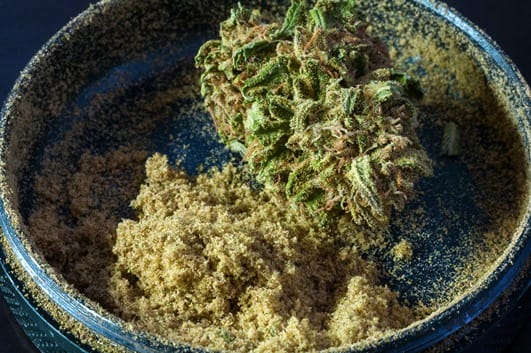
“Kief” or “keef” refers to the secretory glands (or trichomes) of cannabis which are rich in THC (the main psychoactive component of cannabis). It is a fine greenish powder that accumulates at the bottom of your grinder after grinding cannabis herb.
History and etymology of the term “kief”
The story reveals his incredible journey to the Orient and across the world and cultures. The Arabic term “kief” means “pleasure” or well-being”. It has been used for centuries in various religious and medicinal rituals. Words testifying to its always importance.
Comparison between kief and hashish
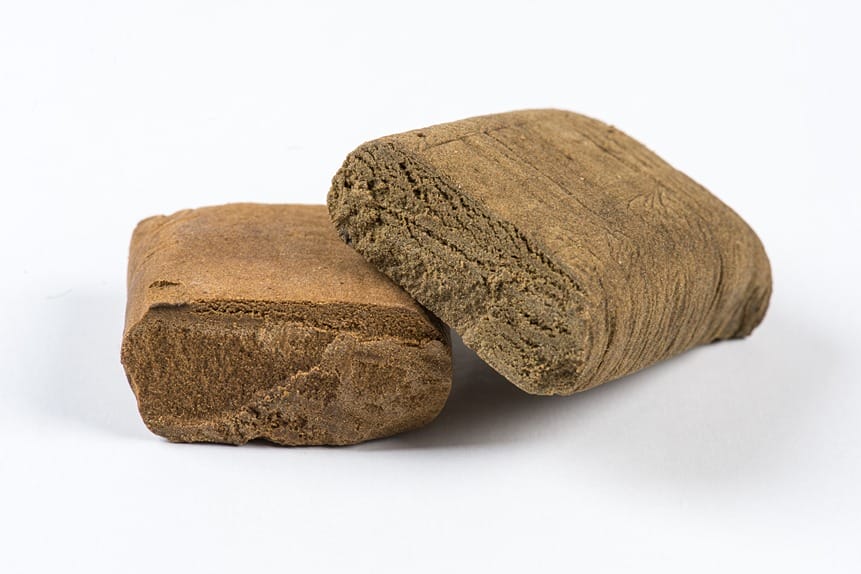
There is sometimes confusion between kief and hashish – two equally attractive cannabis products. Despite some visual similarities, they have notable differences. “Kief” constitutes the crystals formed on the unmanipulated Cannabis plant. CBD hash is compressed and heat treated.
Comparison between kief and pollen
In the world of cannabis products, a common confusion arises between kief and pollen. “Cannabis pollen” is often used to describe kief, although they are not the same. Kief refers to resinous trichomes, rich in cannabinoids and terpenes. They fall or are sifted from cannabis flowers. These powdery crystals are extremely potent and are the source of “CBD pollen”. It is renowned for its relaxing effects without the intoxication. The term “cannabis pollen,” on the other hand, technically applies to the tiny grains released by male cannabis plants for reproduction. However, in everyday language, we often interchange the two terms. Although kief is one that consumers seek out for its therapeutic and recreational properties. You can find a wide variety of pollen on our CBD store.
Comparison between kief and resin
The spectrum of cannabis concentrates marks the difference between kief and resin by their texture. But also their production method, and cannabinoid potential. Kief has a powdery texture and is appreciated for its simplicity and purity. On the other hand, “cannabis resin” encompasses more complex products. “CBD resin”, “CBG resin”, and “CBN resin” are obtained by solvent extraction methods that specifically target these cannabinoids. They result in sticky concentrates, often liquid or waxy. These resins maintain a rich terpene profile and provide a more intense and focused experience. Depending on the cannabinoid in question. The choice between kief and resin will therefore depend on the personal preferences and therapeutic needs of each individual. You can find high quality resins on our weed shop.
Kief-based cannabis resin
What are the differences with skuff?
The name “skuff” also raises questions about its difference from “kief”. In fact, the latter is often confused because of the apparent similarity between these two products. However, there is a concrete distinction: while kief refers to uncompressed trichomes, skuff refers to kief which has undergone a sieving process giving a product that is also purer and concentrated in active ingredients.
In short, we see that beyond a simple trendy name, kief is anchored in a rich history of more than a century and a varied use. So hold on tight for this fascinating journey into the detailed world of kief!
Harvesting kief is an interesting method for smokers in the cannabis world. Let’s find out together how, through a few simple steps, you can collect this precious “green gold”, thus intensifying your experience while enhancing every part of the hemp plants.
1) With a grinder
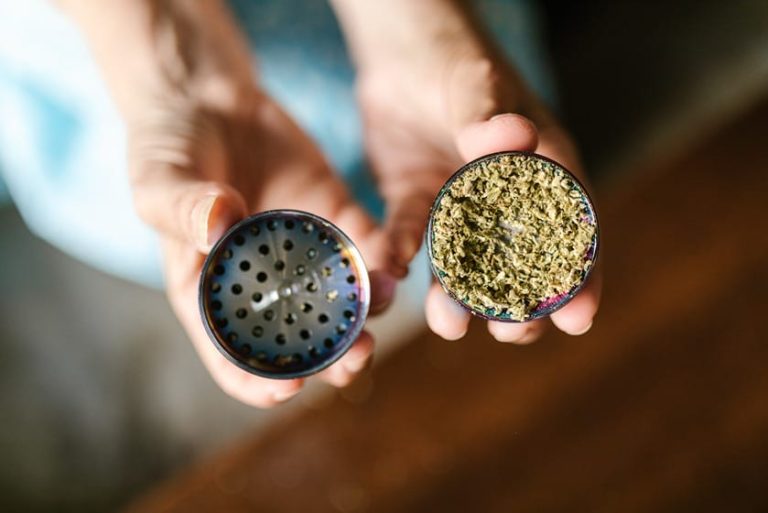
To begin, let’s first focus on the method of harvesting kief using a grinder. Also known as grinders, grinders are used to break down cannabis buds for easier consumption. Some models have a special chamber designed to collect the valuable kief that comes loose during the grinding process.
Start by putting your weed in the upper chamber.
Grind the herb until it falls into the second chamber.
The kief, once separated from the crushed buds, passes through the sieve and is collected in a small section known as the “kief catcher”.
This simple technique has been familiar to us for a long time and probably remains the most conventional among the French and throughout the world.
2) Using a sieve box (or kiefbox)
Another effective way to harvest kief is to use a sieve box or “kief box.” This method requires more effort but can lead to remarkable results following a few simple steps.
Place your buds on the sieve located at the top of the box.
Shake lightly for several minutes, light residue will pass through.
After shaking, open the bottom of the compartment to collect your precious!
Using a sieve box will undoubtedly allow you to obtain significant quantities of kief while preserving its qualities. This tip is therefore recommended for those looking to optimize their harvest.
Opting for dry ice extraction is undoubtedly the most professional method of the three I mentioned above, even if it requires a little more equipment. With this technique you can obtain a large amount of finished products.
Place your cannabis buds in a cooler bag with ice.
Then shake the whole thing for a few minutes.
The frozen kief will fall out as a fine residue which you collect on a flat surface.
This method certainly allows you to obtain significant production in return, but it is not easy!
As we can see, each offers specific advantages ranging from the simple practical grinder to ambitious extraction with dry ice. Once the precious trichome has been extracted, all that remains is to explore the different innovative ways in which we will share the secrets with you in our next article!
What are the effects of kief?
One clear point to note about kief is that it is perceived to have a more pronounced effect than regular weed. Several factors explain this, but in general it offers an intensified experience to consumers. Effects may vary depending on the person, the amount consumed, and the specific strain of the plant the kief comes from. However, generally speaking, you can expect a feeling of relaxation and rest, an altered feeling of euphoria, and of course, that extra dose of creativity.
First, the state of physical relaxation can be quite intense with kief. This is explained by its richness in cannabinoids which act directly on the central nervous system. This feeling of meditative calm can be helpful for those seeking a quick remedy for chronic physical or mental pain.
Then comes this famous euphoric dimension attributed to the THC present in cannabis. Kief has a very high concentration of this natural psychoactive compound, which reinforces its impact on our mood and our sensory perceptions. It is this aspect that makes kief a popular choice among some artists to stimulate their creative process.
Why is kief more potent than flowers?
The first answer to this big question lies in its intrinsic chemical composition. Kief takes its name from the Arabic كيف (kayf), which refers to the pleasure or well-being induced by cannabis. It also represents siesta or absolute rest. And these sensations arise directly from the plant’s trichomes. Trichomes, those little resinous glands you can see on cannabis flowers, are responsible for the production of cannabinoids and terpenes.
If you compare kief to the whole herb, it’s like you’ve separated all the best bits and just kept the essence. Indeed, kief is mainly composed of trichomes, pure concentrates of cannabinoids. As these determine the potency and effects felt with cannabis, a higher concentration – for example in kief – logically translates into a stronger impact.
In short, thanks to its intensive concentration of trichomes rich in THC and other precious cannabinoids, kief offers a much better “puff” than a classic herb.
However, as every good thing has its limits, we advise you to use kief weed in moderation to avoid possible adverse effects or increased tolerance. Because let’s not forget: The goal is not necessarily to have the strongest dose possible, but rather the one that is perfectly suited to your condition and specific needs of the moment.
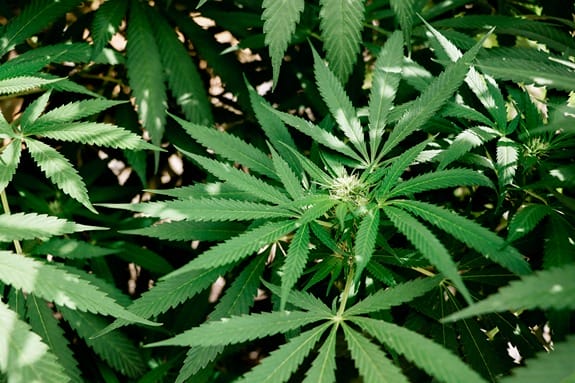
Sunny Cannabis Plants
5 Effective Ways to Use Weed Kief
Kief contains powerful active ingredients. There are a multitude of ways to perfect its use. Here are some of the most common uses.
1) Sprinkle in a joint to make it more potent
The easiest way to use kief is to add it to your regular joint. Simply add it to your crushed herbs before rolling your joint. A small amount is enough to increase the effects tenfold.
2) Make moonrocks
Another interesting application of kief is in the creation of what are called “moonrocks”. Moonrocks are nothing more than cannabis buds soaked in BHO oil (cannabis oil) and then rolled in kief. Ultra concentrated in THC, they present an extraordinary journey.
3) Make rosin
By applying pressure and specific heat to weed kief, we also obtain rosin – a particularly purified and concentrated mixture of cannabis resin.
4) Build up a reserve of dry-sift hash
The collection of kief can also lead to the actual creation of a “Dry sift hash” or dry sifted hashish which requires freezing and then sieving to obtain this resin with multiple therapeutic virtues.
5)Use Kief in the kitchen to make Marrakech butter
Last but not least, let’s not forget that Moroccan kief can be expertly infused into the famous “Marrakech butter” (or cannabis butter) which can subsequently be used in a variety of pastries and other treats. Thus giving an unforgettable taste and smell in addition to soothing side effects.
These various modes of use highlight the cheerfulness and versatility of kief, showing that it is much more than a simple name. Rather, it opens up vast space for innovation to maximize the benefits of cannabis. So whether you are a beginner or a seasoned user, the kief is sure to have a string suitable for your bow.
In the world of cannabis, we often ignore the complex and exciting world of male plants. Generally overlooked for their low THC content, male plants are nevertheless essential for pollen production. This little guide aims to explore this so often neglected nugget: cannabis pollen.
What is cannabis pollen?
The term “pollen” comes from the Greek ‘pollos’, meaning flour or fine dust. In the context of cannabis, it refers to a powdery substance produced by the male plant during flowering. This tiny powder contains the male gametes. These will then allow the female plant to germinate and produce seeds. Thus allowing the survival and propagation of the species.
What role does pollen play in the cannabis plant?
Pollen has an essential role in the natural cycle of a plant. To put it simply, without pollen, no new seeds! A grain of pollen from a male plant lands on a stigma. You can see these kinds of white-orange antennae on a female flower. It is then that a fascinating process begins: that of fertilization.
In fact, each grain contains a reproductive cell responsible for the transfer of hereditary characteristics. In other words: a genealogical district concentrated in such a small space, it’s quite astonishing, isn’t it?
How and when is pollen released?
Nature has done things well. To maximize its chances of success, a male plant generally releases its pollen when female plants are at the peak of their receptivity.
This typically happens around midsummer, when the days start to get shorter.
Mother Nature sends a signal that tells the boys it’s time to send off their precious golden shipments in hopes of sparking the next generation of cannabis. All it takes is a little wind to disperse these tiny grains over several kilometers. They potentially affect a multitude of female plants ready to be pollinated.
When talking about pollen extraction, it is important to understand that it is a relatively simple process. Indeed, although it may seem complicated at first glance, with a little effort and the right techniques you can harvest your own cannabis pollen. Here’s how to do it.
Collect pollen from a male plant
To recover the precious “green gold” or cannabis pollen, it is crucial to know when and where to look.
Identifying a male plant: A female plant produces flowers that can be eaten. The male plant produces pollen to fertilize these flowers.
Wait for the right period: A mature male plant generally begins to produce and release its pollen when it enters a specific growth phase. (usually 3-4 weeks after the first signs of a male plant appear).
Collection: Once this stage is reached, you can simply collect the pollen by gently shaking the flower clusters. You can do this on top of a piece of aluminum foil or a clean plastic bag.
It is essential during this operation to avoid any contact with your female plants in order to avoid any untimely pollination which would compromise the production of the buds.
What does a male cannabis plant look like?
Identifying exactly what kind of cannabis plant can be difficult. Especially if you are unfamiliar with the plant.
A male cannabis plant, unlike females, produces pollen sacs instead of flowers.
These bags usually come together in clusters and often look like small hanging green balls.
Female plants produce white pistils emerging from the floral calyxes to capture pollen. The male plant, for its part, shows no such signs.
It is essential to learn to identify your plant so that you can adapt your care. And collect this precious weed pollen correctly.
Flowering phase of a male cannabis plant, showing the buds.
Collect cannabis pollen in your grinder
Collecting cannabis pollen in your grinder is a clever practice to get the most out of your CBD flowers. Over time, the fine trichomes, often called “kief,” break off from the cannabis buds and accumulate in the lower chamber of the grinder. You can also find it under the name “skuff” in the jargon of cannabis enthusiasts. This precious deposit is known for its high concentration of cannabinoids and terpenes. It offers a more intense experience and smell. To recover it, start by placing your grinder in the freezer for around thirty minutes. This will help the trichomes to shed.
Removing pollen using the sieve
Dropping CBD pollen through a sieve into your grinder is a fairly simple process. It is very effective in separating your precious trichomes or kief. Here’s how to do it:
Grinder Preparation: Make sure your grinder is clean and the sieve is not clogged. A multi-chamber grinder with a fine sieve is ideal for this task.
Grinding: Place the CBD buds into the grinding chamber. Turn the grinder several times to grind the entire bud and loosen the trichomes (resin glands containing cannabinoids and terpenes).
Tapping: Once the bud is completely ground, lightly tap the side of the grinder on a flat surface. This helps dislodge the trichomes and pass them through the sieve into the collection chamber below.
Collection: Open the bottom chamber of your grinder. You should see accumulated CBD pollen. Use a small spatula or brush to collect the pollen.
Storage: Store pollen in an airtight container, preferably in a cool, dark place to preserve its potency.
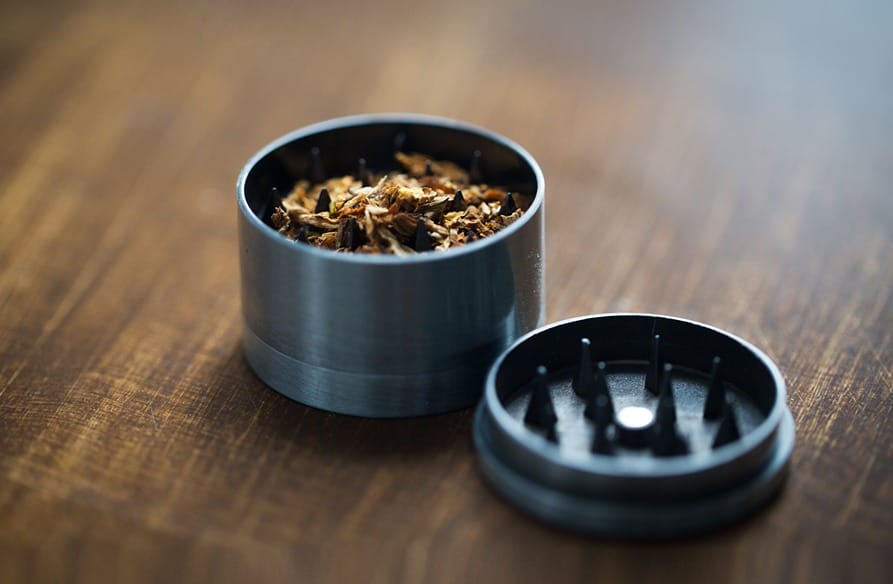
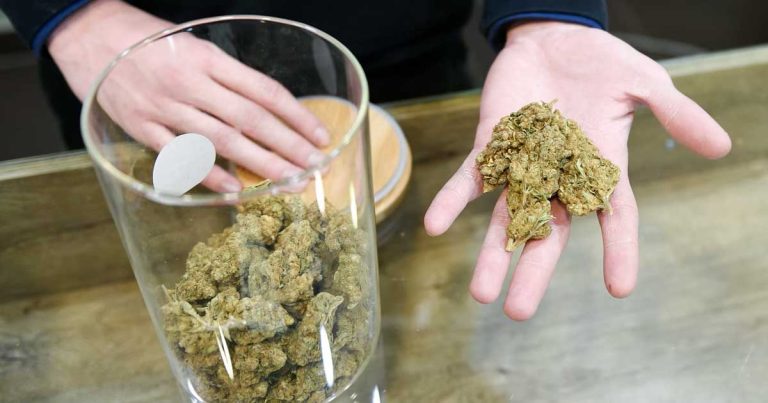
A grinder with cannabis, ready to use.
What are the different types of cannabis pollen?
If you think all cannabis pollen is the same, think again. There are several varieties, differentiated mainly by the genetic strain of the plant: Sativa, Indica or Rudéralis.
Each type has its own characteristics and is used in different ways.
Cannabis Sativa Pollen: Cannabis plants of this species are generally taller, with thinner leaves. Their pollen has a reputation for its energizing and stimulating effect on the mind.
Cannabis Indica Pollen: Indica cannabis plants tend to be smaller and denser compared to Sativas. The derived pollen can often cause a more intense feeling of relaxation.
Cannabis Ruderalis Pollen: Less known than the previous two, this subspecies produces pollens that are less powerful in terms of psychoactive effects.
Moreover, it is important to mention the ‘Gold pollen‘. Nicknamed for its distinct golden color, this form is highly valued for its peculiarities and high concentration of cannabinoids.
There is also the mention of ‘CBD Pollen‘, from plants rich in CBD (Cannabidiol), a non-psychoactive component of cannabis that has attracted a lot of interest in the medical field in recent years.
We would like to point out that depending on the extraction techniques used (manual or automatic), different qualities of CBD pollen are obtained, therefore varying in strength and purity.
In short, the diverse and fascinating world of CBD cannabis pollen offers consumers a range of products for a wide selection. And while the effects may vary depending on the extraction types and techniques used, the final decision often comes down to personal preference.
Use of cannabis pollen
The use of CBD cannabis pollen is not new! Indeed, cannabis growers know it well: this precious powder can be used in several ways depending on your specific choices and needs.
Close-up of a cannabis bud in full bloom, with visible pollen.
Can you smoke CBD pollen?
Yes, you can definitely smoke CBD pollen even if the smell and taste are different from classic flowers. Indeed, most enthusiasts turn to this type of use because of its soothing and relaxing effects attributed to cannabidiol (CBD). However, it is important to emphasize that each consumer reacts differently to cannabis products.
Technically, there are two options for smoking CBD pollen:
You can mix it with your favorite herb in a dedicated pipe or joint, with or without a filter.
Or use it pure in a pipe or a vaporizer specially designed for this (vaporization).
In all cases, temperature plays a key role in determining the aromas secreted by combustion. However, always keep in mind that the fewer accessories you use to consume your product, the better its final quality will be.
Transform pollen into hashish
The process of turning pollen into hashish is called “pressing”. This ancestral technique consists of subjecting the pollen to high pressure and high temperature in order to accelerate the release of the resins contained within.
Here’s how to do it step by step:
Collect the pollen and place it on a clean, flat surface.
Wrap the pollen with baking paper.
Use an iron, set the temperature to the lowest setting.
Apply pressure for a few seconds to the enveloped pollen.
Then watch as the crystals begin to melt and bond together to create a uniform mass called a “hash.” You can find many categories of Hash CBD with different textures and notes on our online CBD store uWeed.
Finally, it is important to note that although you can enjoy the potentially relaxing benefits of pollen made into hashish, this does not cause any intoxication from the THC found in other forms of cannabis.
Hash or resin, what are the differences?
You have surely heard of resin when we talk about weed pollen and CBD hash. Hash CBD and CBD resin, although coming from the same plant, are created and used differently. The hash results from the compression of cannabis trichomes, resulting in a solid texture and varying CBD potency.
Cannabis resin undergoes solvent extraction at low temperatures, making it sticky, with a high percentage of CBD and a rich terpene profile. These differences lie in their production methods, textures, and terpene profiles.
The resin may also include other important cannabinoids like CBG and CBN, each offering unique composition and therapeutic properties, expanding the spectrum of potential benefits beyond CBD alone. You can find high quality CBG resin and CBN resin on the uWeed website.
A wafer of cannabis resin made from pressed pollen.
Is cannabis pollen a drug?
The question may be asked: “Is cannabis pollen considered a drug?” The answer to this complex question depends largely on context. Technically speaking, the term “drug” generally refers to any substance that has a biochemical impact on the human body. That said, the term also has a strong cultural connotation, referring in particular to illegal or potentially addictive substances.
It is important to note that cannabis pollen contains very little THC extract – the psychoactive compound associated with the mind-altering effects of conventional cannabis. In fact, male plants that produce this pollen are often eliminated by those seeking to maximize THC production in their female plants. This coming from the head producers notes that they will appear as a disruptor of a good harvest of resinous buds.
CBD pollen: a legal alternative
In contrast, certain specific types of cannabis – such as certain strains of Cannabis Sativa L., more commonly known as hemp – are known to have significantly higher levels of another cannabinoid: CBD (cannabidiol). These strains produce “CBD pollen,” and are currently receiving increased attention due to their apparent therapeutic potential without the psychoactive effects associated with THC. These therapeutic effects would reduce stress and anxiety, reduce chronic pain and improve sleep.
Pollen from hemp, rich in CBD, therefore presents an interesting legal and non-psychotropic alternative to other forms of cannabis. Furthermore, it can be used by everyone, including those who seek to exploit its therapeutic properties without feeling a “high” psychoactive effect, often inseparable from “traditional” cannabis. And that completely legally on our Weed Shop.
The use is therefore clearly different and moves away from the usual conception of recreational drugs and is closer to a well-being supplement, focused on improving quality of life rather than seeking psychotropic effects. .
However, it is essential to consult a doctor before use to ensure that this substance meets your needs and does not interfere with other medical treatments. CBD pollen thus represents an interesting legal alternative which should continue to arouse a lot of interest in the years to come.
Finland, known for its strict stance on cannabis consumption, is the scene of a new debate on the possibility of legalizing this substance. Two years after the rejection of a citizens' initiative to decriminalize cannabis, a new proposal has emerged, reigniting discussions on the potential advantages and disadvantages of such a measure.
Growing consumption despite prohibition
Although cannabis is illegal in Finland, around 100,000 people use it every month, with prevalence increasing in recent years. A citizens' initiative, which has collected more than 50,000 signatures, should be submitted to Parliament in the spring. The initiative seeks full legalization of cannabis, encompassing use, possession, personal cultivation, manufacturing and sale, subject to age restrictions.
Luxembourg and Malta have already led the way in legalizing the possession and cultivation of cannabis for personal use in the European Union. Finland's new initiative proposes to establish a regulatory system similar to those governing other intoxicants such as alcohol, with the aim of minimizing harm to individuals and society.
Kim Kannussaari of drug prevention group EHYT expressed reservations about legalization, citing potential cognitive impairment and mental health issues associated with cannabis use. He highlighted concerns about learning abilities, short-term memory and lung damage, calling for a cautious approach.
Coel Thomas, one of the initiative's proponents, sees legalization as a positive step, countering the argument by pointing out the potential economic benefits. Mr Thomas, who is a deputy city councilor in Helsinki, believes the current ban benefits criminal organizations while depriving them of substantial tax revenue and job creation.
Economic considerations and comparisons
Mr. Thomas cited the example of Canada, where the cannabis industry generated C$15 billion in tax revenue and created 150,000 jobs in the first three years after legalization. He disputed the assumption that controlled substances lead to increased use, saying cannabis use is already on the rise despite its illegal status.
Despite growing public discourse, Prime Minister Petteri Orpo's government remains staunchly opposed to the legalization and decriminalization of cannabis. The government's youth wing, however, has expressed support for the decriminalization of all drugs in 2022, highlighting internal divisions within the ruling party.
Although the government opposes the current citizens' initiative, Thomas remains hopeful that it can spark a more nuanced and comprehensive debate on Finnish cannabis policies. He highlighted the need for a sensible conversation, saying: “If there is anything our citizens' initiative can do, it is to create a more sensible discussion on this topic.”
Does the fascinating world of terpenes intrigue you? Finish reading knowing everything about these superstars of nature. You often notice this in the product descriptions of our CBD store. So sit back, relax and immerse yourself in the wonderful world of terpenes.
What are terpenes?
We often encounter the word “terpene” when exploring the subtle complexities of cannabis or other aromatic plants. But what exactly is it? A large number of plants, as well as some insects, produce terpenes, very volatile organic compounds. These compounds play a crucial role in creating the unique scents of each plant specimenincluding cannabis, contributing significantly to their distinctive character and flavor profile.
Structure and classification of terpenes
Terpenes whose chemical formula is C 5 H 8 and from the hydrocarbon family are classified according to their molecular structure. Their number of isoprene units present indicates the family or class to which they belong. For example :
Monoterpenes contain two units of isoprene.
Sesquiterpenes consist of three units.
Triterpenes have six units.
Among these groups are more than 20,000 individual varieties of terpenes, a breathtaking diversity!
Microscopic dive into the fascinating world of CBD molecules ????✨
Where are terpenes found? Their source and origin
It would be limiting to think that terpenes only live in the cannabis kingdom. They actually reside in a multitude of plants and vegetables. In addition, they are often the elements responsible for odors (such as turpentine, camphor, menthol, ginger, mint, lemongrass).
Even some insects produce terpenes! They generally use it as a natural means of defense against predators.
The main sources of these substances are therefore mainly plants and insects. So don’t hesitate to keep your nostrils open wide during your next walk in the forest – you might smell a whole symphony of terpenes in action!
Greenery as far as the eye can see, exuberant nature, the birthplace of cannabis ????????
Properties and uses of terpenes
It is fascinating to discover that terpenes are not only a characteristic of the particular plant, but also have a significant impact on our daily lives. From the fragrance we wear to the herbs used in our recipes, terpenes are everywhere.
The varied properties of terpenes
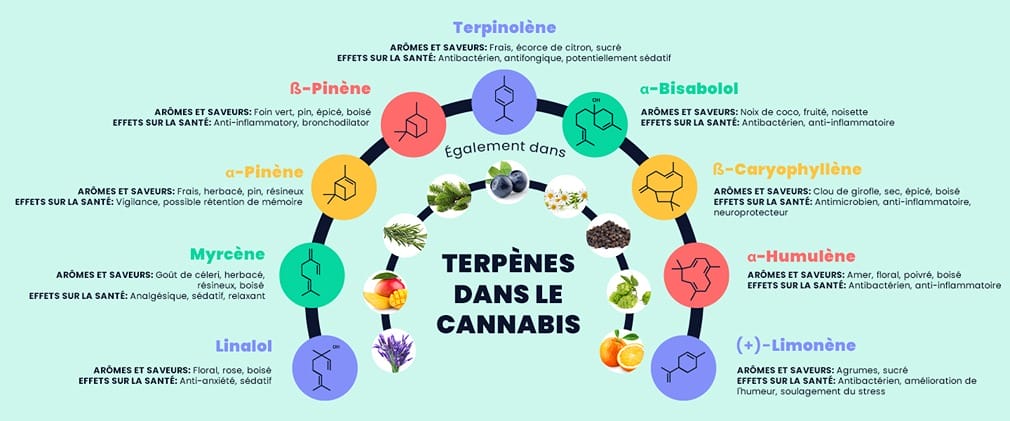
You will first be surprised to learn how versatile terpenes are. Their properties vary greatly depending on their specific chemical structure. Some terpenes have calming and relaxing effects, such as myrcene, while others can have a stimulating effect like limonene.
The antibacterial and anti-inflammatory properties of several types of terpenes are in fact valuable allies in strengthening our immune system. Studies have also raised the possibility that certain forms of these molecules may help fight cancer.
Finally, it should be noted, according to a study, the remarkable effect of β-Caryophyllene which acts directly on our CB1 and CB2 receptors (those of the endocannabinoid system), which can help manage certain pain or inflammation.
Multiple uses of these natural molecules
Terpenes are essential in various industries thanks to their aromas and beneficial properties. In cosmetics, they add natural fragrances and skin benefits to products such as creams and essential oils. Then, in food, they are used as natural flavorings for drinks and confectionery. In perfumery, they help to create unique fragrances. For health and well-being, they are used in relaxing products like massage oils. Finally, some terpenes are used in eco-friendly cleaning products for their antibacterial properties. Their versatility highlights their importance in everyday life, from beauty products to the environment.
What are the main terpenes in weed and what are their virtues?
Cannabis terpenes: a rainbow of aromas and benefits, decoded ????????
Understanding terpenes is like entering an aromatic encyclopedia of nature. Each terpene expresses a particular flavor, a specific scent and possibly notable benefits for the human body. Their chemical compounds are also different. Now let’s take a look at some of the major players in this wonderful natural world.
Limonene
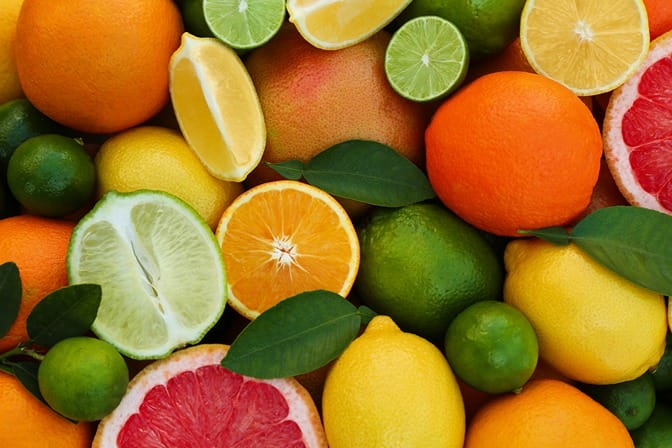
Limonene is the essence of cheerfulness. It is mainly found in citrus fruits such as lemon and orange. Your nose will perceive this fresh and tangy smell that you would love to find on a sunny summer morning.
But its superpowers don’t stop at perfume! Studies have indicated that limonene may improve mood and have anti-stress effects. It would also potentially benefit our immune system.
A citrus festival, evoking the freshness and liveliness of lemon terpenes ????????
Humulene
Humulene – it almost sounds like the name of a distant planet, doesn’t it? But no, it is still anchored on earth, more precisely in the hops used to make beer or basil leaves.
It gives off an earthy, woody smell that may remind us why we love walking in the forest after the rain so much. From a health perspective, it has been observed that humulene can act as an effective anti-inflammatory and antibacterial.
Myrcene
Myrcene is the giant among terpenes, in fact it is often the most present in cannabis varieties. Featuring an earthy, musky aroma with a fruity undertone, you can also find it in plants like mango or thyme. Its properties? Analgesic and anti-inflammatory, just that!
Pinene
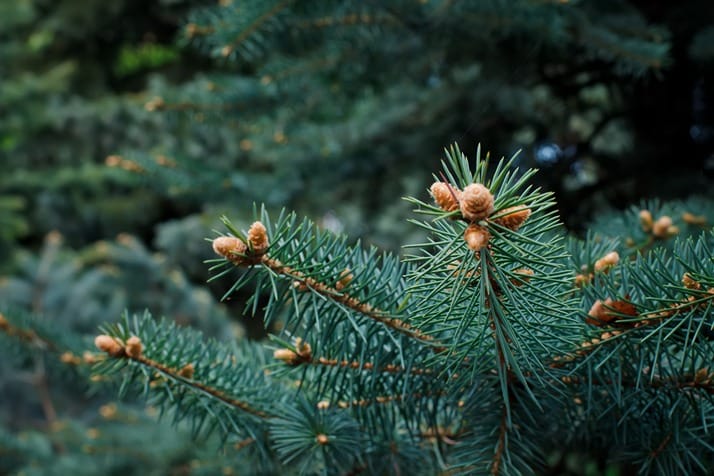
Its name doesn’t fool you – Le Pinène knows how to deploy this refreshing scent of pine and fir which gives us the impression of being in the middle of the mountains. His area of expertise? It appears to help improve breathing.
Pine branches: a touch of nature evoking the woody freshness of terpenes ????????
Linalool
Linalool seems straight out of a dream with its sweet floral scent which notably adorns lavender petals. In addition to its ability to take us on a journey to a field of flowers, linalool could play a role in calming anxiety or promoting sleep.
Beta-caryophyllene
To finish in style: Beta-caryophyllene! Want to feel spicy? It’s your favorite terpene! It can notably be found in black pepper or cloves. Remember, however, that its benefits extend beyond the culinary world, as various studies suggest that its presence could have analgesic and anti-inflammatory properties.
Spicy and expressive, like certain terpenes that awaken the senses ????????️
Why are terpenes important in weed?
Beyond smell and taste, terpenes can influence the effects of cannabis and hemp. They can change the way cannabinoids (like THC and CBD) interact with our bodies, potentially improving or changing the overall experience. This is often called the “entourage effect”.
It is a concept developed to describe how certain components of cannabis, such as terpenes and cannabinoids, work together to maximize their beneficial effects. In our case, we will focus on the interaction between terpenes and cannabidiol.
The role of terpenes in cannabis
Carbon units make up these compounds, giving cannabis its distinct flavors. For example, humulene, a monoterpene, gives an earthy note, while diterpenes, structured from twenty carbon atoms, offer other aromatic nuances. These terpenoids in cannabis aren’t just limited to offering olfactory information; they are also involved in biological processes such as pollination.
The benefits of terpenes in cannabis are multiple. They interact with other compounds in the plant, such as cannabinoids, including THC, to create synergistic effects. Initially, these interactions can influence bodily functions, acting almost like hormones. Additionally, some terpenes, like tetraterpenes, are comparable to vitamins.
The entourage effect of terpenes with CBD
First of all, did you know that hemp contains over 120 different terpenes? Each of them has distinct characteristics and properties.
Now, let’s consider CBD. This molecule is just one of the many cannabinoids present in the cannabis plant. Although it is non-psychotropic, it is widely recognized for its multiple health benefits and is different from THC or CBD.
What is the “entourage effect”?
So how can these two components interact? The idea behind the entourage effect is that these elements can work synergistically, thereby amplifying each other’s effects. So when combined, the separate benefits of the cannabinoid and terpenes become even stronger.
To illustrate this, let’s take the example of limonene. A terpene with known anti-inflammatory and antioxidant properties. When used in tandem with CBD, it is suggested that its effects are increased tenfold, providing a more effective approach to relieving inflammation (According to publications by Dr. Ethan B Russo). To find out more, we recommend reading our dedicated article on the effects of CBD.
A little wonder in every container. Discover the concentrated power of CBD mini-buds
The dangers and side effects of terpenes
Terpenes, although natural and often beneficial, are not free of dangers. Using the term “natural” when it comes to health can sometimes be misleading. Indeed, just like other molecules in nature, excessive or inappropriate use of terpenes can have unwanted side effects. The same goes for CBD and its side effects. It is therefore essential to consider their use with caution.
First of all, you should know that overexposure to terpenes can generate certain symptoms such as:
Skin irritation
Headache
Nausea
Fatigue
In addition, it is also worth remembering that each individual can react differently to terpenes depending on their personal sensitivity. So, while some people might enjoy the benefits of terpenes without any downside, others may develop an allergic reaction.
Precautions to take with terpenes
Let’s try to dig deeper into this topic in order to identify the main recommendations to implement when using terpenes:
Respect the recommended dosages: This is undoubtedly one of the key factors in avoiding the risks associated with the untimely use of terpenes.
Opt for a product tested in an independent laboratory: Knowing exactly what is in your bottle will allow you to avoid any potential allergen contact.
Avoid direct contact with skin or eyes: Essential oils and products rich in terpenes have concentrated properties, which can be irritating when used externally.
Use only the amount of product needed: Being generous with CBD oil won’t necessarily give you better results.
Finally, it is always a good idea to consult a healthcare professional before introducing a new substance into your daily routine. Whether it is myrcene, pinene, or even limonene, each terpene has its specificities which it would be dramatic to ignore at the risk of wasting its beneficial potential.
Frequently Asked Questions About Terpenes in the Cannabis Plant
Terpenes are typically extracted by steam distillation or solvent extraction. The key is to preserve their delicate nature during the process for maximum potency and purity.
Recognizing a terpene involves a combination of olfaction and knowledge. Each terpene has a characteristic smell, for example, myrcene gives off an earthy smell, while limonene is reminiscent of citrus fruits. Terpene also influences the effects of cannabis, with some having relaxing or energizing properties. Mastering this recognition requires experience and can be supplemented by laboratory analyzes for increased precision.
Can I be allergic to terpenes?
Like any other compound in plants, some people might be sensitive or allergic to certain terpenes. It is always best to consult a healthcare professional if you have any concerns regarding allergies.
Do different strains have different terpenes?
Absolutely! Each cannabis strain has its own terpene profile, which contributes to its unique aroma, flavor and, potentially, effects. Choosing a strain can be like selecting a fine wine, each with its own aromatic bouquet.
Do terpenes degrade over time?
Yes, terpenes can degrade, especially when exposed to light, heat and air. Proper storage of cannabis products is crucial to maintaining their terpene profiles. Think cool, dark and airtight!
Can I improve the terpenes in my cannabis?
Some aficionados use curing and storage techniques to enhance the terpene profiles of their cannabis, often in resin form. It’s an art and a science to getting the best flavors out of your buds!
Are terpenes legal?
Terpenes themselves are legal, as they are found in many plants. However, the legality of cannabis-derived terpenes depends on the legal status of cannabis in your country.
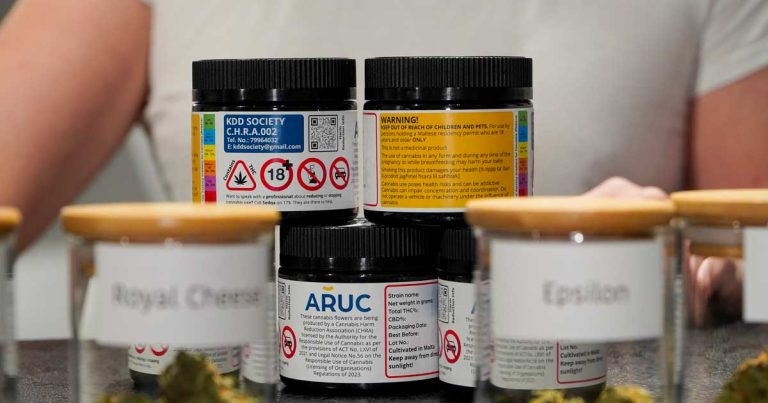
Malta's first cannabis harm reduction association is now “fully operational”, the Responsible Use of Cannabis Authority has announced (Authority for the Responsible Use Of Cannabis).
The KDD Society, registered as CHRA 002, “began distributing cannabis to registered adult members” after obtaining a business license in October 2023.
Over the past few weeks, the association has successfully passed “all mandatory CURA laboratory tests, including phytocannabinoid profile, micro-organism analysis, bacteria, yeast and mold counts , mycotoxins, trace and heavy metal analysis, water activity and moisture content, as well as dirt and foreign matter, which ensures that cannabis grown and distributed within cannabis associations Cannabis harm reduction is free of unwanted contaminants. »
Cannabis flowers grown, packaged and distributed by CURA are identifiable by the unique CURA label and seal on the open-open packages. child-proof.
“Cannabis harm reduction associations are the only regulated entities to cultivate and distribute non-medical cannabis with more than 0.2% THC,” said CURA, which declared itself “pleased that A year after the Convention on Setting Standards for a Nonprofit Approach to Cannabis Seed Distribution, cannabis harm reduction associations began operating in a highly regulated manner, based on public health and risk reduction approach”.
Cannabidiol (CBD) was recently removed from the list of performance-enhancing drugs by the World Anti-Doping Agency. The reason ? The molecule has gained popularity due to its potential therapeutic benefits without the psychotropic effects associated with its counterpart, THC. And it does not lead to any performance gain like doping products. On the other hand, it improves recovery.
The endocannabinoid system and performance
To understand the impact of CBD for sport, it is essential to look at the endocannabinoid system (ECS). The endocannabinoid system plays a vital role in maintaining homeostasis in the body, regulating functions such as sleep, mood, appetite and immune response. CBD interacts with the endocannabinoid system, influencing its receptors to modulate various physiological processes.
One of the main benefits athletes look for in CBD is its anti-inflammatory potential. Intense physical activity often leads to inflammation, muscle and joint pain. CBD's ability to reduce inflammation may contribute to faster recovery times, allowing athletes to train more regularly and more effectively.
Pain management and recovery
For athletes pushing their bodies to their limits, managing pain and speeding recovery is essential. CBD has emerged as a natural alternative to traditional painkillers, offering a potential solution for athletes looking to minimize their reliance on pharmaceuticals. By interacting with receptors in the nervous system, CBD can help relieve pain and discomfort, providing athletes with a holistic approach to recovery.
Additionally, CBD's role in promoting better sleep is crucial for athletes looking to optimize their performance. Quality sleep is essential for muscle repair, cognitive function and overall well-being. CBD can help improve sleep quality by treating issues such as insomnia and sleep disorders, contributing to better recovery for athletes and enthusiasts.
Reduced stress and anxiety
Competitive sports and intense training regimes are often accompanied by high levels of stress and anxiety. CBD has shown promise in alleviating these psychological challenges, acting as a natural anxiolytic. By influencing serotonin receptors in the brain, CBD can help regulate mood and reduce anxiety, allowing athletes to approach their activities with a clearer, more focused mindset.
Integration of CBD into sport
As cannabis stigma decreases and scientific research on CBD grows, more athletes and fitness enthusiasts are incorporating this natural compound into their routine. From its potential anti-inflammatory properties to its role in pain management, recovery, and stress reduction, CBD is a game-changer for those seeking a holistic approach to sports and fitness.
As the CBD landscape in sports continues to evolve, it is essential for individuals to consult with healthcare professionals before incorporating CBD into their regimen. With the synergy between CBD and sport increasingly recognized, we could see a paradigm shift in the way athletes prioritize their well-being, emphasizing a more balanced and natural approach to achieving peak performance.
Recent studies have highlighted the health risks associated with cannabinoid acetates, used in certain “CBD products”. Despite claims of increased psychoactive effects compared to CBD alone, cannabinoid acetates, represented by these molecule names that end in -O, could trigger an epidemic of lung damage reminiscent of EVALI (e-cigarette or vaping use-associated lung injury) in 2019 or promote the development of cancers.
A widely cited study, published in The New England Journal of Medicine in 2019, looked at the epidemic of lung injuries linked to vaping. The study found that a significant number of cases were linked to the use of THC-containing vaping products, particularly those obtained from illegal sources. The presence of acetates, such as vitamin E acetate, was identified in many samples tested, raising concerns about the role of these additives in lung injury.
What are cannabinoid acetates?
Cannabinoids are compounds present in the Cannabis plant, the best known being THC (tetrahydrocannabinol) and CBD (cannabidiol). These compounds interact with the endocannabinoid system of the human body and influence various physiological processes. While the use of cannabinoids for medical and recreational purposes is not new, new synthetic cannabinoids have appeared due to a lack of regulation or the prohibition of natural cannabinoids.
Cannabinoid acetates are synthetic derivatives of cannabinoids, often created for use in vaping or smoking products. These forms of acetate are designed to improve the solubility and stability of cannabinoids, providing a more convenient and efficient method of consumption. However, it is the very nature of these chemical modifications that has become a source of concern for the scientific community and raises concerns about the health risks associated with them.
THC acetate, THCo, for example, undergoes a complex chemical process involving acetic anhydride. This process, known for its complexity and use of flammable chemicals, transforms hemp-derived CBD into delta-8-THC, which is then combined with acetic anhydride to produce THC acetate. The resulting product has been touted for its health benefits and supposedly powerful effects, including psychedelic experiences, although scientific research on this compound remains limited.
Carcinogenic and aggressive molecules for the lungs
The combustion/vaporization of cannabinoid acetates creates various risks, the most serious being the formation of ketenes, a toxic gas known to amplify the risk of cancer and the development of tumors.
Research carried out by theAmerican Chemical Society in 2020 highlighted the potential dangers of heating and inhaling synthetic cannabinoids. The study demonstrated that the thermal decomposition of certain cannabinoid acetates produced harmful compounds, including formaldehyde and acetaldehyde, known respiratory irritants. These results highlight the importance of understanding the chemical transformations that occur during the vaping process.
The study also noted the formation of ketene. Ketene is a reactive compound that can be produced when certain substances, including cannabinoid acetates, are heated. These compounds are known respiratory irritants and have been associated with lung injury. The formation of ketenes adds a new layer of complexity to the risks associated with vaping, highlighting the need for a comprehensive understanding of the chemical processes involved.
A study published in the Journal of Medical Toxicology linked the use of vaping products containing cannabinoid acetates to the development of acute respiratory distress syndrome (ARDS). ARDS is a serious lung condition that can lead to rapid respiratory failure. The specific mechanisms by which cannabinoid acetates contribute to ARDS are still being studied, but the correlation is concerning.
The authors of the study also point out that THC-O has structural similarities with vitamin E acetate, the additive contained in unauthorized THC vapor cartridges which has already been linked to the epidemic of EVALI lung disease of 2019-20. The EVALI outbreak has resulted in several thousand cases across the United States, including more than 60 deaths. The authors report that, when heated in a vape pen, both substances produce ketene – a “highly potent lung toxicant” and the suspected cause of EVALI.
Another risk associated with vaping cannabinoid acetates is the risk of lipid pneumonia. The synthetic nature of these compounds means they can mimic the properties of lipids or fats. When inhaled, they can accumulate in the lungs, leading to a form of pneumonia caused by the presence of lipids. This condition can be particularly dangerous because it can go unnoticed until significant damage occurs.
While cannabinoids, in their natural form, have been shown to be safe and promising for various medical applications, the introduction of cannabinoid acetates into vaping and smoking products could prove risky. The dangers associated with these synthetic compounds, which range from respiratory problems to acute lung injury and ketene formation, highlight the need for caution and continued research.
If hemp cannot yet start Russian motorcycles and bring back your loved one (although…), it could make hair grow back!
A recent study by Gregory Luke Smith, covering a series of cases, focuses on hair regrowth using a hemp extract enriched with cannabinoids: cannabidiol (CBD), tetrahydrocannabivarin (THCV) and cannabidivarin (CBDV). The study, published inInternational Journal of Trichologyreveals promising results in the treatment of androgenetic alopecia (AGA).
The endocannabinoid system and hair follicles
The endocannabinoid system, a complex cellular signaling system discovered in the 1990s, plays a crucial role in maintaining cellular homeostasis by regulating inflammatory responses and promoting regenerative processes.
Smith's study focuses on three specific cannabinoids found in hemp extract – CBD, THCV and CBDV – and their unique therapeutic effects on hair regrowth via the endocannabinoid system.
Unlike traditional approaches, these cannabinoids exhibit a different method of action, acting as partial or full CB1 antagonists and agonists of transient receptor potential vanilloid-1 (TRPV1) and vanilloid receptor-4 (TRPV4), all linked to hair follicle function.
Methodology and objective
The case series involves 31 subjects with androgenetic alopecia (AGA), who used a topical formulation of hemp extract once daily for a period of 6 months. The subjects, including men and women of various ethnicities, showed an average increase of 246% in the number of hairs for men and 127% for women.
The objective was to determine whether daily application of hemp oil high in CBD, THCV and CBDV could improve hair regrowth in the most affected areas of the scalp.
Results and conclusions
The results are quite remarkable. All subjects experienced some level of hair regrowth, ranging from 31.25% to an astonishing 2000%. The mean increase was statistically significant and no adverse effects were reported.
Additionally, subjects reported a positive psychosocial perception of the effects of hair regrowth, reporting themselves as “happy” or “very happy.” Independent reviews of before and after photographs have supported these claims, revealing improvements in scalp coverage ranging from “mild” to “significant.”
Hair Regrowth Study Results
The study concludes that, although the exact therapeutic mechanisms are not fully understood, THCV and CBDV likely function as neutral antagonists of the CB1 receptor, while CBD acts as a partial antagonist of the CB1 receptor, potentially through intermediate in the Wnt signaling pathway.
All three cannabinoids function as agonists of TRPV1, another endocannabinoid receptor. The inclusion of menthol in peppermint extract is believed to contribute to the rapid onset of the anagen phase, which promotes hair regrowth.
Implications and future prospects
This groundbreaking study paves the way for further research into the synergy between hemp extract and conventional hair regrowth therapies. Notably, the topical hemp formulation demonstrated superiority over oral finasteride and 5% minoxidil foam once daily, demonstrating its potential as a complementary treatment. The safety and effectiveness of combining this hemp extract with existing medications deserves further evaluation.