Home Blog Page 32

Australia legalizes medical use of psychedelics for mental health

Australia has become the first country in the world to legalize the use of psychedelics to treat certain mental disorders. Under the new regulations, which came into force on July 1, registered Australian psychiatrists can prescribe MDMA for post-traumatic stress disorder (PTSD) and psilocybin for depressions that have resisted other treatments.

While Australia is the first country in the world to regulate the medical use of psychedelics, numerous clinical trials are underway in the United States, Canada and Israel.

The use of psychedelics will be closely monitored and not just about “take a pill and go”, said Dr Mike Musker, a mental health researcher at the University of South Australia.

Calling the measure a “paradigm shift”, he told AFP that in the case of MDMA for example, the patient would likely have three treatments over a period of five to eight weeks. Each treatment would last approximately eight hours, with the therapist staying with the patient for the duration of the treatment.

However, patients should not expect a miracle cure.

“I’ve read stories of people who have had what are called bad trips, or actually relived their trauma, so we have to be very careful,” Dr Musker said.

The Australian Therapeutic Goods Administration (TGA) reclassified MDMA and psilocybin in February so that they can be used for therapeutic purposes.

She declared these substances “relatively safe” when used in a “medically controlled environment” for patients “with serious mental disorders”. Otherwise, MDMA and psilocybin are illegal in Australia.

The TGA acknowledges that there are unknowns and inconclusive evidence, but says that “there are promising signs” that controlled therapeutic drug use may improve the mental health of some people and that the “benefits for some patients… outweigh the risks”.

The regulator clarifies that there are currently no approved products containing MDMA or psilocybin. However, the reclassification means that psychiatrists will be able to access certain drugs containing these substances and dispense them legally, even if their safety and effectiveness have not been assessed.

Binge drinking decreases among teenagers after cannabis legalization

A recent study suggests a decrease in binge drinking among adolescents following the passage of cannabis legalization, but researchers have also found an increase in heavy drinking among adults 31 and older.

The study, titled Recreational cannabis legislation and binge drinking in US adolescents and adultsis based on data from the National Survey on Drug Use and Health for the period 2008-2019.

The researchers found that during this period, binge drinking decreased overall among 12-20 year olds (from 17.54% to 11.08%) and 21-30 year olds (from 43.66% to 40, 22%), but that they have increased among those aged 31 and over: from 28.11% to 33.34% among those aged 31-40; from 25.48% to 28.32% among 41-50 year olds; and from 13.28% to 16.75% among those aged 51 and over.

Heavy drinking habits among people aged 12 to 20 decreased by 4.8% after adult cannabis use laws were passed.

The researchers note that “current evidence regarding the association between recreational cannabis laws and excessive alcohol consumption remains limited to data from a few states, small study samples, and one U.S. national study using data of Behavioral Risk Factor Surveillance System (BRFSS)”.

Rather, their study “builds on the existing literature using nationally representative data to investigate the potential effects of changing cannabis policy landscape across all age groups using a comprehensive measure of cannabis policies. alcohol state to control for differences in state contexts. »

For the summer, Mama Kana is coming to Deliveroo!

Mama Kana, a CBD brand renowned for its high-quality products, is set to make waves in the French capital by partnering exclusively with Deliveroo. From today, Mama Kana’s range of CBD flowers, oils, gummies and Puff CBD can be delivered via the famous platform. Open from 7 p.m. to 5 a.m. every day, Mama Kana aims to meet the needs of night-time customers in Paris and neighboring departments.

With the growing popularity of CBD products, Mama Kana has established itself as a trusted name in the industry, and its collaboration with Deliveroo will provide easy access to their CBD products. Whether you’re looking for relaxation, stress relief or a good night’s sleep, Mama Kana’s diverse product line is designed to meet different wellness needs.

People residing in Paris and in departments 92, 93 and 94, as well as in departments 78, 95 and 91 near Paris, can now order Mama Kana’s CBD products directly from the Deliveroo app or website. Offering a fast delivery time of just 30 minutes, Mama Kana will thus be available for those looking for an immediate CBD experience.

“Mama Kana is delighted to partner with Deliveroo and provide our customers with easy access to our premium quality CBD products,” said Joffrey Nadame, CEO of Mama Kana. “We understand the growing demand for CBD, particularly during the summer months, and are committed to delivering a top-notch experience right to our customers’ doorsteps. »

To celebrate the launch, Mama Kana and Deliveroo are offering exclusive discounts and promotions for the first few weeks of availability. So whether you are a CBD enthusiast or curious to try it for the first time, take advantage of this unique opportunity to discover Mama Kana’s range of CBD products, delivered to your home in 30 minutes.

For more information on Mama Kana’s products and to place an order, simply go to the Deliveroo app or website and search for ‘Mama Kana’.

Santé France Cannabis makes 16 proposals for the future French medical cannabis sector

A few months before the hoped-for entry into common law for cannabis for medical use in France, Santé France Cannabis (SFC), which represents companies in the sector, wanted to make several proposals for the development of the sector. At the same time, a bill which must regulate all activities, from the manufacture to the dispensing of cannabis-based medicines, is being carried by the deputy Ludovic Mendès and is about to be tabled in the National Assembly.

“Access to medical cannabis can no longer be considered an option today, but rather an urgent necessity,” writes Frantz Deschamps, President of SFC, in the preamble. After an extended experiment, the pressure group recalls that two decrees are still missing to complete the decree which authorizes the cultivation of cannabis for medical purposes in France and the production of cannabis-based medicines:

  • An order from the Minister for Health, which will specify the specifications of cannabis-based medicinal products for medical use
  • An inter-ministerial decree issued by the ministers responsible for agriculture, customs, the interior and health, which will provide for the technical methods of holding, growing, importing, exporting, transporting and storing the cannabis plant for medical purposes in the national territory

On April 21, the Directorate General for Health (DGS) presented the guidelines adopted for the status of cannabis-based medicines. The choice is oriented towards a status ad hoc for these medicines, allowing personalized care and an adequate level of traceability and quality.

It is in this context that SFC presented 16 recommendations for a French medical cannabis sector.

Among them, we obviously find the need to make rapid progress on the definition of the status ad hocwhich has been awaited for 3 years, while paying attention to “calibrate it for cannabis drugs“.

Regarding the therapeutic indications, the union would like to start with the 5 already included in the experiment (epilepsy, cancer, neuropathic pain, palliative care and spasticity) then extend them according to the evidence provided and based on the work of a Scientific Committee (ANSM) and the High Authority for Health (HAS) to meet the needs of patients”.

On the subject of prescription, two proposals are made: provide for the introduction of compulsory training for first-time prescriber health professionals and provide that any doctor, whether specialist or general, can prescribe cannabis-based medicines.

Regarding culture, the union recommends coexisting two models of authorization, namely preliminary contractualization with authorized establishments and an authorization system issued under the control of the ANSM. It also asks not to impose the obligation to install a mechanical ventilation and filtration system, to leave the possibility to hybrid greenhouses to opt for natural ventilation. To our knowledge, at least one member of SFC has this type of equipment.

Finally, SFC recommends authorizing the export of medical cannabis, which would allow French companies to secure outlets outside the borders while waiting for the French medical cannabis program to be complete.

You can find the overall SFC rating here.

In Maryland, adult cannabis sales begin July 1

Regulated adult cannabis sales will begin Saturday in Maryland. These sales begin seven months after voters in the state legalized cannabis in November.

People age 21 and older will now be able to purchase cannabis for recreational use in the state and the Cannabis Act will allow:

  • The conversion of existing medical license holders to a new license authorizing the cultivation, manufacture and sale of medical and adult cannabis
  • A single supply chain for all products grown or produced in Maryland
  • An application and licensing process for new businesses

The rules put in place for the preparation of the market open provisions relating to social equity,: social equity partnership assistance program, reduction of license and renewal fees for social equity companies and obligation for existing businesses to distribute or reserve distribution space for social equity businesses, among others.

Meg Nash, a partner at cannabis and psychedelics law firm Vicente LLP, told High Times “Maryland’s rapid implementation of its adult cannabis use program is remarkable and will, we hope, serve as a model for other states that share the policy goals of increased access to safe cannabis products. and deterrence from participation in the unregulated industry. »

“The Maryland Cannabis Administration shows no signs of slowing down, as a new licensing round exclusively for social equity seekers is expected to be announced in the coming months, and new licensees will be selected by lottery before the end of the year. »

The new regulations also complement the state’s current medical cannabis program, aimed at maintaining best practices and establishing special accommodations for medical patients.

These include hours of operation to patients for distribution for medical purposes only, patient-only lanes at licensed dispensaries, and products reserved for medical patients. The current patient and carer register and registration procedure will be maintained, as will access to delivery services for patients.

Cookies seeds now available in bulk

Iconic cannabis brand Cookies has announced the launch of its wholesale seed bank, following the company’s launch of direct-to-consumer seed sales in late 2022. Seeds are available for wholesale purchase in the United States. United, European Union, United Kingdom and Thailand, South America and Canada coming online soon.

“I never thought I would see the day when we would sell Cookies genetics and seeds in smoke shops or grow shops around the world,” said Berner, co-founder and CEO of Cookies.

Seed banks, a mainstay of traditional agriculture, are essential for preserving genetic diversity. A leader in the field of cannabis genetics since its inception, Cookies continues to lead the way in expanding access to high quality cultivars worldwide. The wholesale catalog covers the vast library of Cookies and Lemonnade brand genetics.

The complete digital catalog is available in English, Spanish, French, Thai, Dutch, Portuguese, German, Greek and Italian and after registering for a professional account on the Cookies site.

Volodymyr Zelensky stresses the need to legalize medical cannabis in Ukraine

The President of Ukraine calls for the legalization of medical cannabis to help Ukrainians overcome their traumas triggered by the war against Russia.

In a speech to the Ukrainian Parliament on Wednesday, President Volodymyr Zelensky said that “all the best practices in the world, all the most effective policies, all the solutions, no matter how difficult or unusual they may seem to us, must be applied in Ukraine so that Ukrainians, all our citizens, do not have to endure the pain, stress and trauma of war”.

“In particular, we must finally legalize cannabis medicines fairly for everyone who needs them, with proper scientific research and controlled Ukrainian production,” he said, as reported Ukrainska Pravda.

The president stressed that access to medical cannabis could be a therapeutic option for citizens who endured more than a year of intense conflict after Russia invaded the country in February 2022.

During his presidential campaign, Mr. Zelensky also voiced his support for the legalization of medical cannabis, saying in 2019 that he would find it “normal” to allow people access to “droplets” of cannabis, which could be a reference to cannabis tinctures.

Zelensky’s cabinet has taken steps to legalize medical cannabis, approving a reform bill last year that has yet to be passed by parliament.

Health Minister Viktor Liashko said the bill would allow “the circulation of cannabis plants for medical, industrial, scientific and technical-scientific purposes, in order to create the conditions for expanding access for patients to the necessary treatment of cancer and post-traumatic disorders resulting from the war”.

“We understand the negative consequences of war on mental health,” he said. “We understand the number of people who will need medical treatment due to this impact. And we understand that there is no time to waste”.

The policy shift would put Ukraine in stark contrast to its aggressor, which has taken a particularly strong stance against cannabis policy reform internationally, through the United Nations. The country notably condemned Canada for having legalized cannabis and used its restrictive legislation to strain diplomatic relations with the United States by imprisoning Marc Fogel, an American citizen who faces a 14-year sentence in a Russian prison for possession of cannabis. medical cannabis, or WNBA player Brittney Griner who was detained before being released as part of a prisoner exchange brokered by the Biden administration.

Last year, Russia’s foreign ministry deputy said legalization efforts in the US and Canada were matters of “very concern to us”, according to a social media post by the official account. of the ministry. “It is worrying that several European Union member states are considering violating their drug control obligations. »

Luxembourg ends cannabis prohibition

The Luxembourg deputies approved by a majority (38 deputies voted for, 22 against) the draft law legalizing the cultivation and possession of cannabis at home for recreational purposes, while subjecting it to strict regulations.

In the private setting, the possession, consumption and cultivation of 4 cannabis plants, if not visible from the outside, are legalized for adults. In public, however, cannabis remains prohibited.

The fine for possession of cannabis in public is reduced between €25 and €500 for quantities up to three grams. If more than three grams, there will still be a risk of criminal prosecution for the time being, up to six months in prison or a €2,500 fine.

The law is expected to be published in the Official Gazette by the end of this week or early next week.

“The drug policy that we have been pursuing for 50 years has been a failure,” Justice Minister Sam Tanson (Déi Gréng) told the Chamber of Deputies.

“Seeds for domestic cultivation are not yet available in stores in Luxembourg, people will have to buy the seeds online or abroad”, notes the Ministry of Justice, specifying that it “checks whether the seeds are legally available in the country concerned”.

The authorization of private cultivation and consumption in the private sphere should only be a “first step” on the way to a more complete approval of cannabis.

“The second step is to develop the chains of production and sale of cannabis controlled by the State,” said the rapporteur of the Judiciary Committee, Josée Lorsché. Points of sale are also planned for the longer term.

Luxembourg is the second country in the European Union to end cannabis prohibition after Malta in December 2021.

Could the European Union be about to change its position on cannabis?

Germany recently decided to scale back its ambitions to create a fully-fledged national market for adult cannabis use.

Following a meeting on 18 January between the European Commission’s Director General for Migration and Home Affairs, Monique Pariat, and her chief negotiator, Health Minister Thomas Steffen, Germany changed its planes.

At the time, many commentators assumed that Germany had been given the cold shoulder and concluded that the EC maintained a hard line on cannabis. Very little has leaked from the German side about the exact nature of the January meeting with Ms Pariat, or an earlier meeting, on November 14 last year.

The wind of change?

The European Commission and the German Ministry of Health declined to release details of what was discussed at these two meetings when Business of Cannabis contacted them. However, after several conversations with German and European figures in the cannabis industry, we understand that a wind of change could well be emerging in Brussels.

At both meetings, Business of Cannabis understands that both sides have avoided any in-depth technical discussion on how Germany might implement its proposals. With the EC still finding its feet on how to handle the growing momentum of cannabis reform, the consensus has been to slow down the fast-paced maneuvers and settle for a gentler pace, according to this that we understand.

A European cannabis expert with extensive knowledge of the discussions, who chose to remain anonymous, told Business of Cannabis “The consensus was that Germany was moving too fast and that the liberalization of cannabis in Europe should not happen at such a pace. »

“There were no in-depth legal discussions and Germany agreed to slow down. At this stage, there have been no serious discussions on how adult consumption programs can be implemented in the European Union”.

A second well-placed source said they understood the EC had no “interest” in punishing Germany, but that now that cannabis has moved up the hierarchy in terms of regulatory priorities, they would prefer a pace of development. slower.

Understand the changes

An EC spokesperson told Business of Cannabis “We are aware of and are closely following these developments in Member States, in particular to understand the impact of changes in cannabis policies. This includes impact on health, crime, environment or social aspects”.

Asked about the meaning of the terms “monitor” and “impact”, the Commission did not wish to comment further.

Business of Cannabis has previously pointed out that countries can reform their cannabis laws in line with international treaty obligations.

The two possible ways to proceed are an interpretive approach to legalize the cannabis industry for non-medical purposes under Article 2(9) of the Single Convention on Narcotic Drugs of 1961 (SCND), or legalization in as a scientific experiment.

As it stands, Germany’s watered-down cannabis plans will see it legislate to allow the creation of Cannabis Clubs with a license to grow their own plants, while undertaking a series of trials. in order to obtain the scientific evidence necessary to satisfy regulators.

The latter route has also been chosen by non-EU Switzerland, which has launched a number of cannabis trials, and more will follow.

Cannabis can be grown

The European Commission seems comfortable with this approach, which is in line with the obligations imposed by the international drug treaties and by its own regulations.

While showing its teeth, the EC acknowledged this approach in its communication with us, stating: “It is important to take into account the EU legislative framework on drugs. European legislation (Council Framework Decision 2004/757/JHA) obliges Member States to take the necessary measures to ensure that offenses related to trafficking in narcotic drugs, including cannabis, are punishable.

“This law provides minimum criminal penalties for drug trafficking. Personal drug use is not covered and it is up to Member States to decide how to deal with personal drug use, including cannabis. »

“Under EU law, the cultivation of the cannabis plant is also prohibited, with a few notable exceptions. Cannabis can be cultivated if there is a specific right/permission, for example for the production of medicinal products derived from cannabis plants, or in the case of the exclusion from the scope of ‘personal consumption’, because this question is left to the discretion of the Member States”.

Over the next few weeks, the resolve of the European Commission on these issues will be further tested, as the Czech Republic pursues its plans to exit prohibition.

Tailor-made cannabis regulations

The Czech Republic aims to create a fully regulated commercial market for the recreational use of cannabis. Addressing Business of CannabisCzech national drug policy coordinator Jindřich Vobořil said the Czech Republic would unveil its own proposals within the next six months.

He said that the Czech Republic is currently studying “the best way to adapt cannabis regulations to EU and international law”.

“It is important to realize that even European laws are written by the people for the people, and therefore can and should be changed according to the evolution and values ​​of today’s society,” he said. declared.

He added that his proposals would be based on “scientific evidence and follow the principles of risk reduction”.

Some speculate that these proposals could lead to a summons to the Court of Justice of the European Communities for violation of Community rules.

Not if, but when and how

Mr Vobořil added: “I don’t see the point of theorizing about possible relations with the European Court of Justice. »

“The discussion paper on the outline of our cannabis regulations is ready. For now, it is subject to the approval of the coalition parties of the current government. Once we receive the mandate to proceed with the drafting of the bill, it should not take us more than four to six months. »

And, in a rallying call on his desire to radically change the European cannabis status quo, he concludes: “In any case, some form of cannabis regulation will soon be an inevitable reality for most countries. developed; so the question is not if, but how we are going to make it work. »

Luxembourg has also reaffirmed its ambition to create an adult-use market which, initially, will allow adult residents to grow up to four plants at home, from seed. In a second step, it will authorize the creation of a chain of production and sale of cannabis controlled by the State.

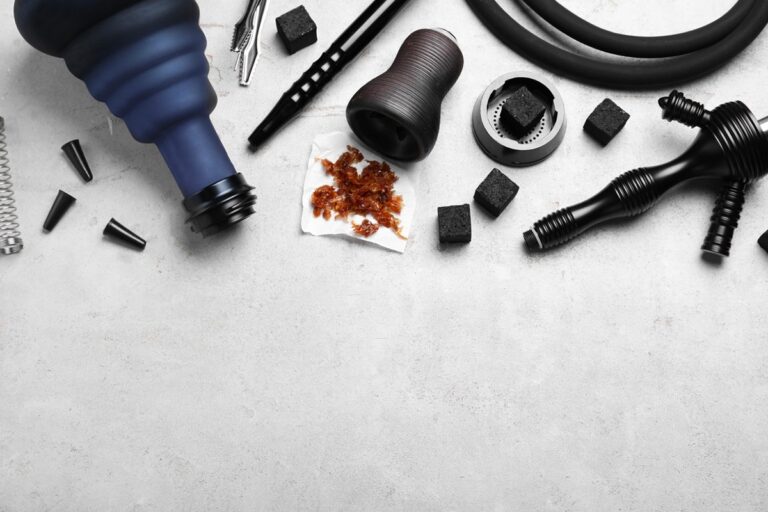
The different spare parts for a shisha

Like many accessories, the shisha has parts that need to be changed regularly to prevent it from malfunctioning. Let’s take a look at the different spare parts for your hookah.

Why change some parts of your shisha?

Wear or quite simply obsolescence requires the replacement of certain parts of your hookah. This is completely normal, but must be caught in time to ensure that your hookah works properly. In addition to the vase that breaks, here are all the parts that must be changed once worn or damaged.

Hose adapter or connector

This adapter allows you to connect the shisha pipe to the chimney. Without it, the pipe would not hold in place. However, over time and heat, it may deteriorate and no longer fulfill its role. This is why it is important to change it.

valve balls

Designed in polyamide, they allow an airtight and fluid draw during your session. It is placed in the valve to maintain the seal. Attention, it exists in two diameters!

The shisha ashtray

This accessory is placed on the column of the chicha, just under the hearth. Its role is to recover the ashes. Made of glass, the ashtray can break during cleaning or mishandling.

Shisha joints

Whether it is the bowl seal or the pipe seal, they ensure the watertightness and the proper functioning of the hookah. They are made of rubber, so they deteriorate with time and heat.

The same goes for the vase seal that connects the chimney to the vase. This must be replaced on a regular basis to avoid loss of suction.

Divers

Some hookah brands are equipped with plungers. This is the case, for example, with DUD hookahs. Designed in glass, it breaks easily, however, its use is essential to limit the noise of the swirls in the vase. It also allows a more fluid and light draw.