The Irish Citizens' Assembly on Drug Use recently released a report recommending the decriminalization of possession of drugs for personal use, marking a step change in Irish drug policy.
Led by Paul Reid, the Citizens' Assembly report proposes a “decriminalized” model, advocating a shift from a criminal justice approach to a comprehensive health-focused strategy.
Assembly Recommendation
The Assembly, made up of 99 randomly selected citizens, approved a “comprehensive health-oriented approach” to drug possession. This approach involves giving people caught in possession of drugs for personal use “ample opportunities” to voluntarily engage with health services, in order to minimize or eliminate the possibility of criminal conviction and prosecution. prison sentence for simple drug possession.
Paul Reid stressed that the Assembly was focused on the end result, leaving the Oireachtas, Ireland's bicameral parliament, to sort out the complex legislative details of implementing effective decriminalization. The report must now be considered by the Oireachtas and the government, prompting Paul Reid to call for political ownership of the recommendations.
Taoiseach – Prime Minister of Ireland – Leo Varadkar has been open to considering changes to the country's drug laws, saying: “I certainly think that shaming people, blaming them and criminalizing them is not not an effective policy.”
Mr Varadkar pledged to carefully consider any recommendations and stressed the need for political courage and leadership to oversee “effective decriminalisation”.
Legislative challenges and considerations
The path to drug decriminalization in Ireland is not without obstacles. Assembly members and legal experts already disagree on the definition and feasibility of decriminalization.
The international drug context doesn't help either: a recently published major EU study on the heroin market warns of the potential negative effects on public health and security of the shift from opium to synthetic opiates following the decline in poppy production in Afghanistan. The risk is to see the surge of synthetic substances with side effects that are much stronger and more deadly than natural substances, accentuated by the policy of prohibition.
The Irish government's response further complicates matters. While the assembly recommends a comprehensive health-focused approach, the Ministry of Justice and An Garda Síochána oppose legal changes beyond the existing diversion program, which allows a maximum of two referrals to services health for drug possession.
The government's delay in advancing a bill to legalize cannabis possession – up to 7 grams of cannabis and 2.5 grams of resin for adult personal use – adds a new layer of complexity to the current debate.
Delay in the “legalization” of cannabis
Despite the assembly's efforts to reform drug policy, the Irish government is proposing to delay the vote on the bill to legalize the possession of cannabis by nine months. Taoiseach Varadkar stressed the need not to blindly adopt models from other countries and suggested a nuanced approach, taking into account the legal context of decriminalization under Irish law.
Critics, including Ryan McHale Crainn of the Irish drug policy reform organization Crainn, express disappointment at the delay, pointing to the Citizens' Assembly's clear calls for change and the overwhelming support of the public opinion to the decriminalization of drugs. MP Paul Murphy says the government's proposed delay only kicks in and urges it to follow through on its rhetoric of a health-focused approach to drugs.
THE Type 2 diabetes is a chronic condition that affects millions of people around the world. Current treatments can control the disease, but therapeutic options remain limited and may present undesirable side effects. This is why theinterest in cannabidiol (CBD), a non-psychoactive compound found in cannabis, continues to grow thanks to its therapeutic properties. In this article, we will discuss the potential of CBD in the treatment of type 2 diabetes and its mechanism of action.
The action of CBD on cannabinoid receptors
THE cannabinoid receptors are proteins present in our body, involved in various physiological processes such as the regulation of appetite, the sensation of pain, inflammation and even blood sugar levels. There are two types of cannabinoid receptors: CB1 and CB2. THC, the main psychoactive component of cannabis, binds primarily to CB1 receptors, which causes its psychotropic effects.
CBD, on the other hand, does not cause a “high” effect because it has a low affinity for these receptors. On the other hand, it acts indirectly on them by inhibition of the FAAH enzyme (fatty acid amide hydrolase), responsible for the degradation of anandamide, a neurotransmitter with protective effects on the central and peripheral nervous system. This increases the concentrations of anandamide in the body, which will then interact with cannabinoid receptors to modulate their actions.
The benefits of CBD in the management of type 2 diabetes
Treatment of type 2 diabetes mainly aims to control blood sugar levels and prevent associated macrovascular and microvascular complications. Several preclinical studies suggest that CBD may have beneficial effects in this context.
Improved insulin sensitivity
Insulin resistance is a key factor in the development of type 2 diabetes. Research has shown that CBD could increase insulin sensitivitythereby facilitating the use of glucose by cells and helping to regulate blood sugar levels.
Anti-inflammatory and antioxidant effects
Diabetes is often associated with chronic inflammation and increased oxidative stress, leading to organ and tissue damage. The anti-inflammatory and antioxidant properties of CBD could help protect cells against these attacks and thus prevent or alleviate the complications of diabetes.
Role in appetite regulation
Appetite control is crucial for people with type 2 diabetes to avoid excessive weight gain which could increase insulin resistance. CBD has been shown to contribute to the regulation of appetiteby acting in particular on the cannabinoid receptors present in the central nervous system.
Prevention of diabetic neuropathy
Diabetic neuropathy, which manifests itself as pain, numbness and sensory disturbances, affects up to 50% of diabetic patients. Studies suggest that the CBD could help prevent this complication by protecting nerves and reducing peripheral inflammation.
Conclusion and future outlook
Promising results from preclinical studies have sparked enthusiasm for the use of CBD in the treatment of type 2 diabetes. However, clinical data still remains limited and it is necessary to conduct rigorous clinical trials to evaluate the real effectiveness of CBD in diabetic patients.
In the meantime, it is recommended to consult your doctor or healthcare professional before using CBD products, especially for people on medication, as CBD can interact with certain molecules and modify their effectiveness.
The different forms of CBD available
For those interested in experiencing the effects of CBD, it is important to note that there are a multitude of forms and concentrations. Here are some examples :
Oils and tinctures: they are ingested sublingually (under the tongue) and can be dosed very precisely using the dropper.
Capsules and tablets: they are convenient for those who prefer precise dosing and make it easier to integrate CBD into the daily routine.
Vaporization: allows rapid absorption of CBD by the lungs and offers almost immediate effects.
Cosmetics: ideal for locally relieving inflammation or joint pain, thanks to their direct application to the skin.
The choice of form and concentration of CBD will mainly depend on individual needs and preferences. It is essential to always check the quality of products and their compliance with regulatory standards, particularly with regard to THC content.
There acute sinusitis is a common condition that causes symptoms such as headache, nasal congestion, facial pain and fatigue. Faced with these inconveniences, people affected can turn to alternative treatments, in particular the use of CBD or cannabidiol. In this article, we will examine the potential interactions between CBD and acute sinusitis and whether CBD can offer effective relief.
The role of the endocannabinoid system in inflammation
THE endocannabinoid system (ECS) plays a central role in the balance and functioning of our body, notably by regulating various physiological processes such as pain, mood, memory and inflammation.
There are specific cannabinoid receptors, called CB1 and CB2 receptors, that are present throughout the body, including the immune and nervous systems. These receptors are activated either by cannabinoids produced naturally by our body (endocannabinoids), or by cannabinoids of plant origin such as CBD, extracted from cannabis or industrial hemp.
Anti-inflammatory and analgesic effects of CBD
CBD is recognized for its properties anti-inflammatories and analgesics which can potentially help relieve various symptoms associated with acute sinusitis. Preliminary studies have demonstrated that CBD can act on CB2 receptors present in cells of the immune system, thereby helping to modulate the body's inflammatory response.
In addition, CBD also interacts with other non-cannabinoid receptors such as glycineα3, which is involved in pain modulation. This interaction could partly explain theanalgesic effect observed with the use of CBD in some people with chronic pain.
Use of CBD in the treatment of acute sinusitis
Since CBD could potentially alleviate inflammation and pain, it could be considered as a natural alternative to conventional treatments for acute sinusitis.
Topical application
The use of CBD-based creams or balms applied locally to the face, particularly around the sinuses, could provide relief from pain and inflammation thanks to its direct action on the affected area. This type of products can contain different concentrations of CBD, so it is essential to read the labels carefully and choose the one that best suits each individual.
Oral/sublingual administration
TakingCBD oils or capsules orally or sublingually is another common method of use to benefit from the potential effects of CBD. Doses of CBD vary depending on individual needs and it is recommended to start with a low dose and then gradually adjust depending on the effects felt.
Inhalation
Inhaling CBD, whether in the form of dried flowers or e-liquids in electronic devices, can also provide rapid relief for some people suffering from acute sinusitis. However, the effectiveness of this method will depend on the patient's tolerability of inhalation, which could cause additional irritation to the respiratory tract.
Interactions between CBD and acute sinusitis medications
THE CBD may interact with certain medications, in particular by influencing their metabolism in the liver. It is therefore crucial to consult a healthcare professional before using CBD in addition to conventional treatment for acute sinusitis, whether antibiotics, non-steroidal anti-inflammatory drugs (NSAIDs) or corticosteroids.
Warnings and precautions
Side effects : Although CBD is generally well tolerated, it can cause side effects such as drowsiness, dizziness, diarrhea, and changes in appetite in some people.
Possibility of allergy: There is a risk of allergy to CBD or other components present in CBD products. It is therefore important to carefully monitor your reaction when applying or using these products.
Medical consultation : Before starting to use CBD to relieve acute sinusitis, it is essential to consult a health professional to discuss your medical history, your current treatments and to assess possible interactions.
In conclusion, the anti-inflammatory and analgesic potential of CBD could offer an alternative option for the treatment of symptoms related to acute sinusitis. However, it is imperative to consult a health professional before starting to use CBD, particularly because of possible interactions with other treatments.
Considered one of the best-known cannabis molecules, cannabidiol (CBD) is quickly becoming more popular thanks to its numerous therapeutic virtues. However, a question arises regarding its interaction with other medications, including acetylsalicylic acid, commonly known as aspirin. In this article, let's explore together the points of convergence and divergence between these two substances.
What is CBD?
Cannabidiol, or CBD, is a non-psychoactive active component of Cannabis sativa. Unlike THC, it does not cause a high, it being part of the cannabinoid family which acts on the endocannabinoid system of our body. Among the many benefits attributed to CBD, we find in particular:
Pain relief
Relaxing and anti-stress effects
Help with anxiety management
Anti-inflammatory
Potential anticancer effects
Its use has been widely popularized in the form of various products such as CBD oil, topical creams, capsules, e-liquids for electronic cigarettes and even CBD-infused foods.
What is acetylsalicylic acid?
Acetylsalicylic acid, better known as aspirin, is a medication with analgesic and anti-inflammatory properties. It is commonly used to treat mild to moderate pain, reduce fever, and prevent cardiovascular problems. The action of aspirin is mainly based on its ability to inhibit the production of prostaglandins, chemicals responsible for inflammation, fever and the transmission of pain signals.
Mechanisms of action of CBD and acetylsalicylic acid
Interestingly, both CBD and acetylsalicylic acid are involved in some similar biological mechanisms. Indeed, CBD works in part by inhibiting the reuptake and breakdown of anandamide, an endocannabinoid that stimulates the production of prostaglandins. This leads to an increase in the concentration of anandamide, which helps to dull the perception of pain and reduce inflammation.
For its part, aspirin also blocks the formation of prostaglandins, but by a different mechanism: it prevents their synthesis by inhibiting the action of cyclooxygenase (COX), a key enzyme in this process. Thus, the two substances appear to act synergistically to combat inflammation and pain.
Research still in its infancy
Studies regarding the interaction between CBD and acetylsalicylic acid are still limited, but preliminary data suggests that their combination may provide some benefits. For example, a study conducted on rats in 2017 showed that the joint administration of CBD and aspirin was able to potentiate the antinociceptive effects of aspirin (i.e., reduce sensitivity to pain ). However, it should be kept in mind that these results cannot be directly extrapolated to humans and that more research is needed to confirm these initial observations.
Precautions and Recommendations for CBD and Aspirin Users
When it comes to combining CBD with medications such as acetylsalicylic acid, it is crucial to consult a healthcare professional, who will be able to assess each particular situation and give personalized advice. Indeed, current information does not make it possible to determine whether this synergy can be beneficial or, on the contrary, cause undesirable side effects for certain people with specific health problems or under drug treatment.
In addition, it is essential to choose quality CBD products that meet standards regarding their cannabinoid composition, particularly with regard to THC content. The presence of this psychoactive molecule in certain CBD products can cause unforeseen interactions with other medications and cause positive saliva tests for cannabis. To avoid any risk, always opt for serious suppliers with clear traceability on their items.
To conclude, the cross-effects between CBD and acetylsalicylic acid are still poorly understood, but current data suggests that their interaction could potentially provide benefits, particularly in terms of combating inflammation and pain. However, we must remain cautious about these results, because they do not constitute a solid basis for systematically recommending the combination of these two substances. Each case must be considered individually, with the support of a competent healthcare professional who is attentive to the specificities of the patient concerned.
There chronic low back pain is a condition that affects many people around the world. This is why researchers were interested in the effects of cannabidiol (CBD) to relieve this persistent pain. Known for its multiple medicinal properties, there appears to be an interaction between CBD and chronic low back pain. In this article we will decipher the studies carried out on the subject.
Overview of Chronic Low Back Pain
Why use CBD?
The CBD and pain interaction
CBD as an alternative to morphine
Troubleshooting Drug Interaction Issues
1. Overview of chronic low back pain
Chronic low back pain is defined by persistent pain in the lumbar spine (lower back), lasting more than three months. It can be caused by many reasons such as:
Muscle tension due to poor posture or a wrong movement,
A herniated disc,
Tendon or ligament disorders,
An anatomical problem affecting in particular the intervertebral discs or the nerves at the level of the vertebrae.
The main treatment for this pain is based on taking anti-inflammatories, painkillers and sometimes even opioids. However, the side effects of these treatments can be dangerous for some patients and lead to opioid addiction. This is why an alternative is being sought.
2. Why use CBD?
Coming from Cannabis sativa L, the CBD (cannabidiol) is one of the hundreds of cannabinoids present in this plant. Unlike THC, it has no psychoactive effect and is renowned for its many medicinal properties:
Anti-inflammatory,
Antioxidant,
Immunoregulator,
Anxiolytic.
CBD is used in different ways: orally, topically, inhaled or even vaporized. Several scientific studies have demonstrated that CBD could help reduce the intensity of various chronic pain by acting directly on the patient's nervous system.
3. The CBD and pain interaction
Action on the endocannabinoid system
The main mechanism of action of CBD against pain is its interaction with the endocannabinoid system present in our body. This regulates many functions, including the perception of pain.
CBD acts in particular on the CB1 and CB2 receptors of the endocannabinoid system, reducing inflammation and the sensation of pain felt by the patient. Several studies have demonstrated that cannabidiol could reduce intensity various chronic pains such as fibromyalgia or postherpetic neuralgia.
A multi-target approach
In addition to its action on the endocannabinoid system, CBD presents a variety of beneficial effects for the treatment of chronic low back pain:
Improvement in the quality of sleep, often disturbed in patients suffering from low back pain,
Reduced anxiety, often associated with chronic pain,
Supports the immune system.
4. CBD as an alternative to morphine
Opioids such as morphine are often prescribed to treat the severe pain caused by chronic low back pain. However, these medications carry a high risk of addiction and D'Side effects serious.
CBD then appears to be an interesting alternative thanks to its analgesic properties without major side effects and does not present any risk of addiction. Several studies show that CBD could enhance the effectiveness of opioidsthus making it possible to reduce the doses administered.
Mutual potentiation
The action of CBD on the CB1 and CB2 receptors potentiates that of opioids by increasing their effectiveness. This makes it possible to reduce the dose of opioids necessary to relieve pain, thus limiting the risks of side effects and dependence. Thus, some patients may benefit from a combination of CBD and low-dose opioids for greater relief from their chronic low back pain pain.
5. Troubleshooting Drug Interaction
As with any drug treatment, it is essential to evaluate possible interactions between CBD and other medications taken by the patient. CBD is known to interact with certain medications metabolized by the liver.
However, good communication between doctor and patient is crucial for safe treatment. If you suffer from chronic lower back pain and want to try CBD, talk to your doctor who can adjust your treatments and ensure that there are nodrug interaction.
In short, CBD appears to be a promising alternative for relieving chronic low back pain by modulating the endocannabinoid system while avoiding the side effects and risks of dependence associated with opioids. However, it is essential to supervise its use with the help of a healthcare professional, in order to avoid any unwanted drug interactions.
In a context where health concerns are increasingly at the center of attention, it is interesting to question the influence of natural alternatives such as cannabidiol (CBD) to improve our well-being. CBD is a substance extracted from cannabis which is supposed to be devoid of psychoactive effects induced by the presence of THC in this same plant. This notable difference between these two elements then gives it a legal reputation in certain countries, as well as a field of potential therapeutic applications.
Among them, we often mention a positive impact on cardiovascular health. But can we really say that CBD is good for the heart? This article aims to analyze certain scientific studies concerning its possible effects on our cardiovascular system.
The therapeutic properties of CBD
Before getting to the heart of the matter, it is appropriate to recall the recognized advantages of CBD in different areas:
Pain relief: thanks to its analgesic properties, CBD would reduce the sensations of chronic pain.
Reduction in epileptic seizures: in certain specific cases of resistant epilepsy, CBD would be able to reduce the frequency and intensity of seizures.
Anxiety management: Studies show that cannabidiol improves symptoms related to stress and anxiety by inhibiting the release of hormones such as cortisol.
Now that the basic properties of CBD have been stated, let's look at its effectiveness in terms of cardiovascular health.
The effects of CBD on blood pressure and blood circulation
Some research has shown that CBD could have vasodilatory effects, that is to say, it promotes dilation of blood vessels. This action would thus reduce the resistance to blood circulation in the arteries and therefore reduce blood pressure.
A notable example is a study conducted by Jadoon et al. (2017), who observed the impact of CBD on a group of participants during a stressful situation. They found a significant reduction in systolic and diastolic blood pressure in subjects who received a single dose of CBD, compared to those who received a placebo.
Heart rate regulation
CBD may also benefit the heart thanks to its ability to regulate heart rate. It would act indirectly by modulating certain hormones or neurotransmitters such as serotonin and adenosine, or directly by interacting with receptors on cardiac cells.
Protection against oxidative damage
Oxidative stress is a natural phenomenon that results from an imbalance between the production of free radicals and the body's ability to neutralize or repair the damage caused. When this mechanism is disrupted, it can cause damage to various structures of the body, particularly blood vessels and the heart.
CBD stands out for its antioxidant properties allowing it to neutralize free radicals as well as its anti-inflammatory effects. These two characteristics could protect our cardiovascular system from inflammatory processes and oxidative stress.
Potentialities and limits of studies carried out on CBD
Although it is true that certain studies highlight the potential benefits of CBD on the heart, these results should however be qualified. Indeed, conducting research on CBD presents some difficulties:
Regulations : depending on the country, the laws governing the consumption and research on cannabis and other derived products (including CBD) can be restrictive.
Often limited study models: many studies carried out on animals are not compatible with the physiological differences present in humans.
Lack of data: the small number of studies carried out on humans and the variability of the dosages used sometimes hinder the possibility of drawing reliable and generalizable conclusions.
In addition, it is important to clarify that each individual can react differently to the effects of CBD, depending on their own metabolism and the concentration of cannabidiol used. It is therefore necessary to keep these limitations in mind before considering CBD as a miracle cure for any cardiovascular condition.
Precautions to take with CBD and the heart
If you wish to consume CBD with the aim of improving your heart health, a few precautions should be taken to ensure a better experience:
Start with progressive doses: It is recommended to start with low doses of CBD and gradually increase them depending on tolerance and the effects experienced.
Choose a suitable consumption method: favor methods of administration which do not pass through the respiratory tract (sublingual oils, capsules), in order to avoid the risks linked to the inhalation of substances irritating to the lungs and the circulatory system.
Consult a healthcare professional: It is essential to discuss with a doctor or pharmacist before using CBD, especially if you are already taking medication.
In conclusion, it appears promising that CBD has beneficial effects on cardiovascular health. However, current research cannot yet say with certainty that CBD is good for the heart, and more scientific studies are needed to draw definitive conclusions. While awaiting these results, responsible and careful consumption of CBD can be considered as part of a healthy lifestyle that also includes a balanced diet, regular exercise and sufficient sleep.
In this article, we will address an increasingly discussed and studied topic: the impact of CBD (cannabidiol) on cholesterol. In order to approach this question from different angles, we will highlight current scientific research, as well as testimonials from cannabidiol consumers. All this information will allow you to better understand whether CBD, which is found in many wellness and health products, could have a beneficial effect on your cholesterol.
Cholesterol: reminder and health issues
Cholesterol is a fatty substance found both in your body and the foods you eat. It plays an essential role in the formation of cell membranes, steroid hormones and bile. However, excess cholesterol can be harmful to cardiovascular health.
Types of cholesterol
LDL cholesterol, also known as “bad” cholesterol, is that which accumulates in the arteries and increases the risk of heart disease.
HDL cholesterol, or “good” cholesterol, helps eliminate LDL cholesterol and participates in its breakdown in the liver.
How to regulate your cholesterol?
Many recommendations suggest favoring a balanced diet, rich in fiber and low in saturated fat, practicing regular physical activity, avoiding tobacco and limiting alcohol consumption to keep cholesterol levels within normal limits.
CBD: what is it and what are its effects on the body?
Cannabidiol (CBD) is one of the many compounds found in cannabis. Unlike THC (delta-9-tetrahydrocannabinol), which has psychoactive properties, CBD has no high or addictive potential. In recent years, it has experienced real popularity thanks to its potential effects on various disorders such as anxiety, inflammation and even pain.
.
Does CBD have an effect on cholesterol? Scientific studies
Although research on the impact of CBD on cholesterol is still limited, a few studies have shown promising results regarding its benefits on this issue.
Anti-inflammatory and antioxidant role of CBD
One of the reasons why CBD could act on cholesterol is its anti-inflammatory and antioxidant effects. Indeed, chronic inflammation plays a crucial role in the formation of atherosclerotic plaques, responsible for the accumulation of cholesterol in the arteries.
A study published in 2011 revealed that CBD could prevent the oxidative effects caused by LDL (“bad” cholesterol), thus helping to protect blood vessels from damage.
Regulation of lipid metabolism
Other research suggests that CBD may also have a direct impact on lipid metabolism. A 2016 study on rats showed that CBD administration resulted in a significant decrease in total and LDL cholesterol levels, while increasing levels of HDL (“good” cholesterol). However, more studies are needed to confirm these results in humans.
Testimonials from CBD consumers: positive feedback on cholesterol?
As science continues to seek stronger evidence regarding CBD's effect on cholesterol, many consumer testimonials report improvements in their lipid levels after adopting CBD treatment.
However, it is essential to remember that these testimonies do not constitute scientific proof and that everyone reacts differently to this type of treatment. In addition, you should always discuss your intention to use CBD with your doctor, especially if you are taking cholesterol medication, as interactions are possible.
Buy CBD: how to choose and where to get quality products?
To take full advantage of the potential benefits of CBD on cholesterol, it is essential to choose quality products. Maintain a high level of vigilance when making your choice, particularly in terms of price, quality and offers.
Choose labeled and certified products
Always opt for products that have received labels and certifications attesting to their compliance with legal requirements, their traceability and the quality of the raw materials used.
Check the CBD concentration of products
The CBD content should be clearly stated on the product packaging so that you can properly adjust the doses according to your needs.
Turn to specialized and reliable brands
Do not hesitate to compare offers and consult the opinions of other consumers to determine which online or physical store offers interesting purchases in terms of value for money and effectiveness of the products.
The use of cannabidiol (CBD) has become very popular due to its various health benefits. Cholecalciferol, also known as vitamin D3, plays a vital role in maintaining optimal health. In this article, we will discuss the potential benefits of the interaction between CBD and cholecalciferol to help improve our quality of life.
What is CBD?
CBD is an active molecule present in cannabis which has been recognized for its properties anti-inflammatories, analgesics and relaxants. Unlike THC, the main psychoactive component of cannabis, CBD does not cause intoxicating effects and therefore does not cause a “high” feeling. More and more people are turning to CBD products to help with various health conditions such as chronic pain, anxiety, and sleep disorders.
What is cholecalciferol?
Cholecalciferol, or vitamin D3, is a steroid hormone produced naturally by our body when the skin is exposed to sunlight. Vitamin D is crucial for maintaining immune function and regulating calcium and phosphorus in our bodies, which directly impacts the health of our bones and teeth. Vitamin D deficiency can lead to problems such as rickets in children and osteomalacia in adults.
The interaction between CBD and vitamin D
Research suggests that there may be a beneficial relationship between CBD and vitamin D when used together. We'll explore some key areas where this interaction can benefit health.
Strengthening the immune system
Vitamin D is essential for the proper functioning of our immune system, as it regulates various cells involved in our body's defense against infections. CBD has also been shown to have immunomodulatory properties, meaning it can help normalize and support our body's immune response. When these two substances work together, they can potentially strengthen our immune system and reduce the risk of disease.
Relief from pain and inflammation
CBD is recognized for its analgesic and anti-inflammatory effect, helping to relieve various forms of chronic pain such as arthritis or fibromyalgia. Vitamin D, for its part, is involved in the modulation of cell growth and development, as well as in the inhibition of certain pro-inflammatory molecules. The combination of these two compounds could thus contribute to more effective relief of pain and inflammation.
Supporting Neural Health
CBD has demonstrated neuroprotective properties, helping to protect nerve cells from damage caused by oxidative stress. Vitamin D is also essential for neuronal development and cognitive function. A study in mice demonstrated that co-administration of CBD and vitamin D resulted in significantly improved recovery from nerve injury. It is therefore possible that the interaction between these two substances could help to support the health of our nervous system.
Improved sleep
Restful sleep is essential for maintaining good physical and mental health. CBD, thanks to its relaxing effect, can help improve the quality of sleep in some people suffering from insomnia or sleep disorders. Vitamin D also plays a role in regulating circadian rhythms, which may influence our ability to fall and stay asleep. The combined use of CBD and vitamin D could therefore potentially improve our quality of sleep.
How to use CBD and vitamin D together?
There are several ways to consume these two substances together to benefit from their potential benefits:
By taking food supplements containing CBD and vitamin D
By applying a topical cream containing CBD and vitamin D to the skin
Using a sublingual oil or capsules containing both compounds
By adding CBD and vitamin D bubble baths to your wellness routine
However, before combining these two substances, it is advisable to first consult a doctor or a professional. healthcare professionalespecially if you are taking other medications, to avoid any risk of interaction.
Partial conclusion
The interaction between CBD and vitamin D shows promise in providing various potential health benefits. Together, they could strengthen our immune system, provide relief from pain and inflammation, support the nervous system and improve sleep quality. However, it is important to consult a health professional before deciding to use these two substances together to ensure appropriate and safe use.
The many beneficial virtues of hemp never cease to amaze, stimulating our curiosity and our search for a healthier life in harmony with nature. No wonder you are wondering about the different ways to use CBD flowers and Small CBD Flowers (or Minibuds). You have probably already heard all the advantages of these! It remains to be seen how to consume them effectively to get the most out of their benefits.
CBD hemp flower: Definition
To begin with, it is important to know what CBD hemp flowers are.
CBD Flower, also called “legal weed”, comes from the cannabis plant known as “Sativa L”. It is a particular type of plant that contains a reduced level (less than 0.3%) of tetrahydrocannabinol (THC) which is the psychoactive element recognized in cannabis. Basically, this means that unlike conventional cannabis, it does not cause that characteristic “high” feeling.
On the other hand, these flowers are full of another cannabinoid: Cannabidiol (CBD). It is a non-psychotropic active substance with a large number of therapeutic properties. In fact, several studies and medical research have demonstrated its positive effects on the human body, such as its relaxing and soothing action.
Traces of other cannabinoids, terpenes and flavonoids can also be found in CBD flowers. These elements work synergistically when consumed together to produce what is known as the “entourage effect,” amplifying the individual benefits of each compound.
Better understanding CBD flowers is already taking an important step towards optimal use of them while respecting the precepts of natural well-being. Throughout this article, we will guide you through various methods of use and possible ways of consuming these amazing flowers.
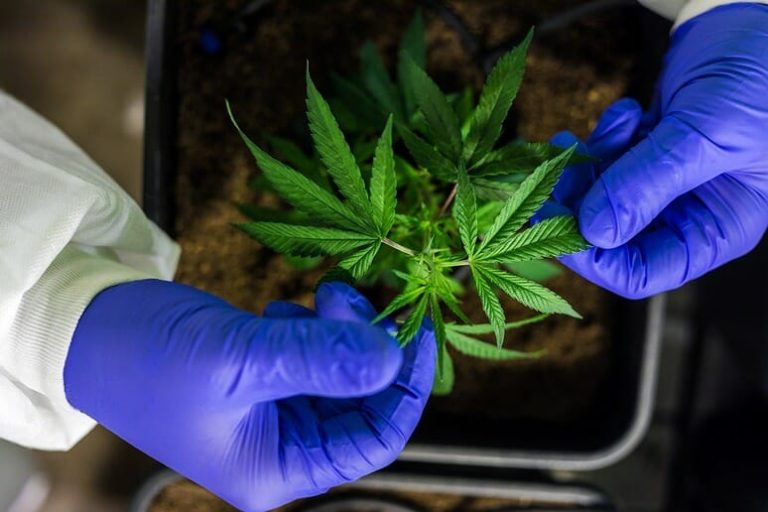
Grown with care, picked to perfection! The hands that take care of the CBD flowers behind your relaxation.
Why choose to consume CBD flowers?
You may have heard of cannabidiol, also known as CBD. The non-psychoactive compound extracted from cannabis offers a host of potential health and wellness benefits. CBD flowers are one of the purest and most natural forms of this compound. If you are wondering “how to consume CBD?”, these flowers can be a great solution for you!
The multiple benefits and properties of the CBD flower
Let's get down to business, what are the benefits of CBD flowers? Here are the 3 main virtues (but there are many others) that these little botanical wonders can offer:
Stress and Anxiety Relief: Several scientific studies have shown that CBD could help relieve stress and anxiety. It interacts with our natural endocannabinoid system to regulate our mood and promote a sense of calm.
Improved sleep: Thanks to its relaxing properties, CBD flowers can improve the quality of sleep. They make it easier to fall asleep.
Pain management: CBD has been the subject of much research with the possible aim of being used as a powerful natural pain reliever. It is particularly effective in soothing chronic pain.
So if you are looking for “how to consume CBD” or “how to use CBD flower”, know that its consumption is often associated with the therapeutic potential it contains.
Inhaling CBD flower or smoking CBD flower
One of the most common methods of CBD absorption is undoubtedly the combustion mode of consumption, in other words, smoking CBD flowers.
Natural and traditional, this choice is quite popular among fans. It allows rapid absorption of cannabinoids into your system through direct passage through the respiratory system. Its bioavailability is the highest of all available methods and offers you an effect in record time: less than 10 minutes to benefit from the effects.
Yet, it is worth being aware that there is a cost to this, as smoking hemp flowers can lead to some complications for lung health.
Maximum relaxation, minimum effort! Make relaxation your resolution.
To roll a joint while minimizing the associated risks, and obtain an optimal experience, several steps must be followed:
Sorting and preparing the flower: Choose a good quality CBD flower. Make sure it complies with THC content standards. Use a grinder to grind the flower. The consistency should be homogeneous, without being too thin.Driving: Select a rolling paper, ideally unbleached. Place a filter at one end of the sheet. Spread the crushed flower evenly over it. Roll the leaf with the flower between your fingers. Form a compact cylinder. Lightly moisten the sticky strip. Seal the joint firmly.Combustion: Find a suitable location and comply with local regulations. Tap the end of the joint on a hard surface. This prevents crumbling during combustion. Light the joint evenly. Then enjoy the flavors and relaxing effects of CBD.
Preparing a CBD joint can also be done without the traditional use of leaf. For those who prefer a paperless method, follow our detailed tutorial on how to roll a joint without foil.
Finally, if the rolling process seems complex or you're looking for a more convenient option, consider pre-rolled CBD joints. These products offer a quick and easy way to enjoy CBD, without the hassle of preparation. Visit our store for a selection of high quality pre-rolled CBD joints.
Vaporize the CBD flower
If you are looking for an excellent alternative to smoking to benefit from the benefits of CBD, you should not miss out on vaporization. Indeed, “how to use CBD flower vaporization” is a question that often comes up when exploring the different methods of using CBD flower.
Vaporization is a process by which the active compounds in flowers are heated to a high temperature without combustion. This is why this method is the healthiest way compared to traditional tobacco.
The benefits of vaporizing CBD flower
The question “How to consume CBD flower?” » finds several answers but few can compete with the many benefits linked to using a vaporizer. Firstly, it is a very effective method of extracting and inhaling the cannabinoids contained in your CBD flowers.
In addition, precise temperature control during the process avoids any unwanted combustion and better preserves the active ingredients and aromas of the product. Unlike smoking CBD flower where there is burning (combustion) of the components.
Then, much less aggressive than the smoke coming from a traditional cigarette or even a joint, the vapor inhaled when using this technique is generally much gentler on your throat as well as your lungs.
And last but not least, it also tastes better due to its ability to extract more of the natural flavors found in your favorite plants.
Here are the different steps to optimally vaporize your CBD flowers:
Choosing the right vaporizer: Make sure you have a vaporizer suitable for dry herbs, as not all are suitable for CBD flower.
Preparation of the flower: Grind the CBD flower evenly to ensure effective vaporization.
Filling the chamber: Open the chamber of your vaporizer and fill it with the crushed CBD flower. Do not pack too much, air must circulate between the particles.
Temperature adjustment: CBD flower is ideally vaporized between 180°C and 210°C. Start with a low temperature and gradually increase it if necessary.
Inhalation: Turn on the vaporizer and wait for it to reach the desired temperature. Once ready, inhale gently and deeply. Unlike smoke, steam will be gentler and less irritating to the throat.
Cleaning : After use, empty the chamber and clean it to avoid the accumulation of residue.
Enjoy CBD flower in the form of an infusion
If you are looking to fully exploit the benefits of CBD, making a CBD infusion can be an excellent option for consuming CBD flowers. This ancestral method used for centuries offers many advantages. Let's see together how this is done.
A tray of tranquility within reach. Use your CBD flowers as an infusion to enjoy the benefits.
What are the ingredients of a CBD flower infusion?
Generally speaking, CBD infusion requires few ingredients. You will need :
CBD flowers
Hot water (but not boiling)
From a fatty substance such as butter, coconut oil or whole milk, because CBD is fat-soluble and will combine better with a fatty agent.
Your favorite tea or herbal tea to mask the vegetable taste if necessary as well as a teaball.
A valuable tip for those wondering about how to consume flowers: don't hesitate to experiment with different blends of herbs and spices to find the best combination for you.
How much CBD flowers for herbal tea?
As for the dosage, everything will depend on the desired effects and your tolerance to cannabinoids. As a starting point, we recommend one teaspoon per cup or approximately 1 gram. Be patient and observe how your body reacts before increasing the dosage.
It is important here to adjust according to your personal needs so that the experience remains enjoyable.
Preparing your infusion is not rocket science. Here are the main steps for consuming flowers in the form of an infusion:
You can select the type of flowers that suit you
Break the flowers into small pieces and decarboxylate them in the oven
In a saucepan, gently heat your fat of choice and add your flower fragments (in a tea ball if you wish).
After a few minutes, pour hot (but not boiling) water into the saucepan.
Leave to infuse for 10 to 15 minutes.
Filter the pieces with a colander or other sieve.
You can add a slice of lemon or honey to enhance the taste.
Do not hesitate to read our more detailed guide on how to prepare an infusion with CBD flowers.
CBD flowers in culinary preparation
Incorporating CBD flower into your diet is another exciting way to reap its benefits. There are several ways to do this and they go well beyond the classic “space cake”.
The culinary sector continues to innovate and today it offers more elaborate recipes incorporating this plant.
Cook happiness with CBD sauce! Ingredients as versatile as your desires.
Is it possible to eat CBD flowers?
Yes, it is possible to consume CBD flowers or CBG flowers, but it is crucial to understand one key element: hemp flowers, in their raw state, only contain CBDA (cannabidiol acid) or THCA (cannabidiol acid). tetrahydrocannabinol).
For these acids to break away from the molecule and the CBD or THC to become active, decarboxylation is necessary. This decarboxylation occurs by heat, usually by combustion, but it can also be done for culinary purposes.
So, if you plan to eat CBD flowers, it is essential to decarboxylate them first to release their potential effects. Once this process is complete, decarboxylated hemp flowers can be incorporated into various culinary preparations to create flavorful dishes and benefit from the effects of active CBD.
This opens up a range of possibilities for integrating CBD into your diet in creative ways that benefit your well-being.
So, if you choose this method, be aware that ingestion requires considerable time for our body to absorb this precious cannabinoid after passing through our digestive system. Allow more than 40 minutes. You can consult the duration of the effects of CBD in our dedicated article.
The key elements for optimal use of CBD flowers
To get the most out of potent CBD flower while remaining economical, here are some key points to remember:
It is crucial to know your product, know how to discern authentic CBD flower, and understand the regulations that apply to it in your area.
Determine why you want to consume CBD. The benefits are varied, from reducing anxiety to improving sleep quality.
Then choose the consumption methods that suit you best. You can opt for smoking, vaporizing or even infusing. Vaporization provides precise dosage control, while infusion requires the addition of fat for optimal cannabinoid extraction.
An innovative option is to integrate CBD flowers into your cooking, but be sure to respect temperatures to preserve heat-sensitive components.
To take full advantage of the benefits of CBD, take the time to study the product and its dosage. Mastering the method of consumption is just as essential.
Thus, each mode of consumption, whether inhalation, ingestion or otherwise, adapts to your specific needs. It's a personalized journey into the natural world of inexpensive and effective CBD flowers for your well-being.
THE cannabidiol (CBD) is a molecule present in cannabis which is attracting growing interest for its potential effects on health, such as the reduction of anxiety, stress and even pain. However, it is important to consider possible drug interactions when consuming CBD. In this article, we will look at the interaction between CBD and metformin, a medication commonly used to treat type 2 diabetes.
What is metformin?
Metformin is an oral medication that helps control blood sugar levels in people with Type 2 diabetes. It works by decreasing the liver's production of glucose and increasing the sensitivity of muscle cells to insulin, allowing glucose to be used more efficiently for energy. Metformin is often prescribed in combination with other antidiabetic medications to better control blood sugar levels in patients with type 2 diabetes.
CBD and its potential therapeutic effects
THE CBD is a non-psychoactive compound found in cannabis, which has been studied for its analgesic, anti-inflammatory, anxiolytic and anticonvulsant properties. The effects of CBD are primarily attributed to its interaction with the endocannabinoid system, a cellular communication system found throughout the body. CBD could thus have a beneficial effect on various conditions such as chronic pain, anxiety, or even inflammatory bowel disorders.
Potential effects of CBD on diabetes
Although additional studies are needed to confirm these findings, some research suggests that the CBD may have positive effects on blood sugar levels and the health of people with diabetes. These potential effects include:
Reducing inflammation associated with diabetes, which could improve insulin sensitivity.
A reduction in oxidative stress, a factor contributing to the complications of diabetes.
General well-being for patients suffering from pain related to diabetes or other associated disorders.
The interaction between CBD and metformin: aspects to consider
Drug interactions are common and occur when one drug changes the way another drug is metabolized or absorbed by the body. About the CBD and the metforminthere are a number of potential mechanisms by which these two substances could interact:
Influence of CBD on the absorption and metabolism of metformin
CBD may affect the way other medications are metabolized by our body, particularly those that pass through the liver's enzyme system. Metformin is primarily metabolized in the liver and is eliminated by the kidneys. It is therefore possible that the CBD may influence the effectiveness or duration of action of metformin.
Potential risk of hypoglycemia
As mentioned earlier, some studies suggest that CBD may improve insulin sensitivity in people with diabetes. In theory, this could mean that CBD increases the hypoglycemic (blood sugar lowering) effect of metformin. In this case, dosage adjustment of metformin may be necessary during concomitant use of CBD, in order to prevent the risk of hypoglycemia.
Recommendations for combined use of CBD and metformin
Before considering using CBD and metformin together, it is essential to consult with a qualified healthcare professional to discuss the potential benefits and risks. He or she will be able to give you advice tailored to your situation, taking into account your state of health, your medical history and the dosage of metformin you are currently taking.
It is also crucial to choose a high-quality CBD product and start with a low dose, in order to assess the effects of cannabidiol on your body and minimize the risks of unwanted drug interactions.
Blood Glucose Monitoring
For people with type 2 diabetes who decide to use CBD and metformin together, a regular blood sugar monitoring is recommended, especially when introducing or adjusting the dose of CBD. This measurement will allow any significant change in blood sugar levels to be quickly identified and antidiabetic treatment to be adapted accordingly if necessary.
In summary, although there are still few specific studies regarding the interaction between CBD and metformin, it is important to be aware of the potential mechanisms of action between these two substances and the precautions to take when taking them. combined use. Consultation with a healthcare professional and careful monitoring of blood sugar levels remain essential to ensure the optimal and safe use of CBD in diabetic patients on metformin.