Home Blog Page 13

Colombia removes fines for drug possession

The Colombian government of Gustavo Petro abolished fines for possessing small quantities of drugs to allow police to focus on chasing coca bigwigs and not fining users, as the Colombian constitution allows moreover personal possession of drugs.

The measure does not change the penalties of up to 20 years in prison for drug trafficking offenses, as provided for in Colombian law, but it ends the fines equivalent to around $50 that police impose on users. This decree also removes the power from the police to seize these substances.

The former conservative president, Iván Duque, was quick to react and declared that with this new measure, “criminals have had their December”, which would encourage crime and harm children, young people and to Colombian families.

Gustavo Petro is behind a change in approach in the fight against drugs that Colombia is leading with economic aid from the United States, where the main market for South American cocaine is located. He also ordered security forces to cease operations against small-scale coca leaf producers.

The legalization of cannabis in the works

Alongside this decriminalization of all drugs, Colombian lawmakers are racing against time to pass a plan to legalize cannabis before the end of the year, preventing a reset of the two-year legislative process.

Senator María José Pizarro, one of the main promoters of the cannabis legalization bill, supports the urgency of Senate action before the upcoming legislative recess. The bill went through three of the required eight debates, gaining approval from the House of Representatives and a Senate committee. However, to avoid restarting the long legislative process, it must be adopted by the Senate by December 16. Senator Pizarro emphasizes that if we do not act, the reform risks “sinking” once again, which requires a rapid examination in plenary session.

Although the legalization of cannabis came close to being enacted this year, the process had to be restarted due to the rejection of the last vote in the Senate. Justice Minister Néstor Osuna, echoing sentiments expressed at a Senate hearing, criticizes the impact of a decades-long “failed war” on drugs that has led to bloodshed, armed conflicts and criminal enterprises.

Six US governors urge President Biden to reclassify cannabis by end of year

Six Democratic governors, including Jared Polis of Colorado, are calling on President Biden to reclassify cannabis as Schedule III by the end of the year.

This decision, which follows a recommendation from the U.S. Department of Health and Human Services (DHHS) and the Food and Drug Administration (FDA) dated August, would have far-reaching implications for the cannabis industry, public health and state economies. Governors say the reassessment could bring substantial economic benefits and align with the sentiments of the majority of Americans, who support legalizing cannabis for medical or recreational purposes.

Relieve the economy, public safety and health

These governors put forward different arguments to explain the need to classify cannabis in a list of controlled substances that are less restrictive than today.

On the one hand, they emphasize the economic advantages of a revaluation of cannabis. According to the governors, “reclassification to Schedule III will ease the restrictions of Section 280E of the tax code, allowing cannabis-related businesses to benefit from regular business deductions, like all other U.S. businesses.”

They estimate the potential savings of moving cannabis businesses to a standard federal tax rate of 21% per year, compared to the current effective tax rate of up to 80%.

Beyond economic considerations, governors say reevaluating cannabis would be a “big win for states” and can improve public health and safety. They say a state-regulated cannabis market is safer than other options, such as opioids, which claimed more than 80,000 lives last year in the United States.

According to governors, cannabis use has not caused any deaths, showing the relative safety of a regulated cannabis market. They also address concerns about unregulated cannabis, including adulterated hemp products and the presence of fentanyl in illegal cannabis [ndlr : qui n’existe pas]thus expressing the need for a comprehensive regulatory framework.

The role of the DEA and the oppositions

The time frame within which the Drug Enforcement Administration (DEA) will complete its reclassification review remains uncertain, but experts believe it could be done by the end of the year. In particular, the DEA is expected to follow the FDA’s scientific evaluation, which is based on evidence of medical use and treatment in the United States and a comparative assessment of the potential for abuse with other scheduled drugs. . Legal experts predict that the DEA will likely align with the FDA’s recommendation due to its scientific nature.

However, challenges loom on the horizon, mainly in the form of opposition from different actors. Former DEA officials and White House drug czars have raised concerns and opposed the classification change. Additionally, members of Congress, including 14 Republicans, have questioned the measure, emphasizing the need to make decisions based on evidence rather than changing them based on public opinion or state laws.

Groups such as Smart Approaches to Marijuanaformer DEA administrators and directors of the National Drug Policy oppose the measure, saying cannabis should remain a Schedule I drug. Their objections include cannabis use disorders, the increasing concentration of THC, and the lack of published double-blind studies demonstrating the safety and effectiveness of cannabis.

Self-cultivation of cannabis in Costa Rica: a bill opens the debate

THE Frente Amplio, a left-wing Costa Rican political party, announced a new bill aimed at authorizing the self-cultivation of cannabis. The proposal, defended by MP Ariel Robles, aims to distance consumers from the illicit market and establish a regulated and scientific framework for the personal and domestic cultivation of cannabis.

The incidence of cannabis in Costa Rica

This measure comes in a context where Costa Rica has experienced a significant increase in cannabis consumption. According to data from the VII National Survey on the consumption of psychoactive substances in households aged 12 to 70 years in 2022, carried out by the Institute of Alcoholism and Drug Abuse (IAFA), cannabis consumption increased from 32 people per thousand in 2015 to 44 per thousand in 2022, with starting ages of consumption between 12 and 19 years old.

This project also follows the legalization of the industrial use of hemp and medical cannabis in the country in 2022, despite the initial veto of the previous government. Additionally, current President Rodrigo Chaves has expressed support for the legalization of recreational cannabis, although this proposal still faces obstacles in the Legislative Assembly.

Mr. Robles’ initiative aims to establish state control over self-cultivation. The MP emphasizes that this measure will not only provide security for consumption, but will also help to counteract illegal sales.

“The reality in Costa Rica today is that cannabis consumption has increased significantly. This is a reality that we cannot ignore. This is happening and it will continue to happen,” the MP said.El Observador.

THE Frente Amplio proposes regulations that contemplate the authorization of the possession of seeds, as well as the granting of licenses for the cultivation and use of plants, under the supervision of the National Narcotics Council. This project will also focus on people currently cultivating illicitly and seeking to regularize their situation.

The first legal cannabis sales point opens Monday in Lausanne

The first legal cannabis sales point opens next Monday in Lausanne. Following the adoption of federal legislation on pilot testing of the sale of cannabis in 2021, the city of Lausanne authorized the Cann-L project to experiment with the sale of cannabis to monitor the dynamics of the black market and assess the impact on consumer behavior.

Reduce risks

At first glance, the Cann-L store in Lausanne looks far from what one might expect of a cannabis dispensary. The store prides itself on a “sober facade and uncluttered interior” that intentionally avoids promoting its products.

Frank Zobel, deputy director of Addiction Suisse, emphasizes that the objective is not to encourage consumption, but rather to offer consumers a wise choice. The store will offer three-gram bags of weed named Alpha, Beta, Gamma and Delta, which range in THC content from less than 5% to more than 15%. A cannabis resin should quickly join the product range.

Mr. Zobel explains the reason for this selection of products: “On the black market, people buy what they find. These are often very potent products, but less potent products might work well for them.”

All products sold in the store come from a production site located in the canton of Vaud and are grown organically. There are plans to expand production to other locations depending on demand. The exact cultivation site remains confidential for security reasons.

At Cann-L, recreational cannabis will sell for between nine and twelve Swiss francs per gram, depending on the THC content. These prices align with those charged on the black market, hoping to encourage consumers to opt for the legal and regulated alternative.

To avoid excessive consumption, Cann-L Project participants can only purchase 10 grams of cannabis at a time and cannot consume more than 10 grams of pure THC per month, or 50 grams of cannabis with 20% THC.

Customer experience and interaction

The Cann-L store was designed as an immersive and educational space. A team of seven people, having received specialist training, will assist customers. The store has an informal chat area where customers can engage in conversations about cannabis. Selected brochures, provided by Addiction Suisse, will contribute to the educational aspect of the experience, ensuring consumers have access to accurate and relevant information.

The first 250 registrants are on average between 35 and 37 years old, and 80% of them are men. They use cannabis almost every day. To facilitate transactions, participants will receive personal cards that not only allow them to purchase cannabis, but also serve as proof of possession in the event of a police stop.

The scientific study behind the Cann-L project will aim to assess the impact of non-profit cannabis sales on consumer behavior. Participants will be required to complete a questionnaire every six months to collect valuable data and understand the evolution of cannabis consumption in a regulated market.

Ohio Senate Finally Approves Expanded, Immediate Cannabis Legalization

To everyone’s surprise, the Ohio Senate passed, days before voter-approved cannabis legalization took effect, a revised bill that not only expands certain provisions, but also introduces significant changes compared to the legislation initially proposed.

An unexpected turnaround

The Ohio Senate is playing emotional elevators. After initially proposing to roll back key provisions of the voter-approved initiative, such as home cultivation and the one-year delay in adult-use sales, the Senate General Affairs Committee unanimously approved a revised bill, after the public outcry the GOP had caused.

According to Republican Senator Rob McColley, cited by MarijuanaMoment, negotiations that took place during the commission’s recess focused on eradicating the black market while maintaining access to information as approved by Ohioans. Commission Chairman Michael Rulli acknowledged the overwhelming public reaction, saying, “I think the people have spoken.”

The revised bill not only maintains the right to home cultivation – limited, however, to 6 plants per household instead of 12 – but also allows adults to purchase cannabis in existing dispensaries within 90 days, at instead of waiting a year.

A notable addition to the new bill is the provision for automatic expungement of certain prior cannabis convictions, a measure applauded by advocates. Governor Mike DeWine has pledged to respect the will of the people, emphasizing the importance of a well-functioning legalized market to counter the black market.

The amended bill also makes the following changes:

  • The maximum number of cannabis stores that can be opened in the state is set at 350
  • Existing medical cannabis dispensaries will be able to sell products for recreational use
  • The authorized potency of extracts will be capped at 50% THC and that of flowers at 35%
  • The excise tax on cannabis would be set at 15%, with additional taxes for local governments of up to 3%.
  • $15 million in cannabis tax revenue to go toward expunging criminal records

Ohio thus becomes the 24th American state to legalize cannabis for adult use. The law will take effect within 90 days of Mr. DeWine’s signature.

The vote on the legalization of cannabis in Germany finally postponed until 2024

Germany’s path to legalizing cannabis faces a new obstacle: the vote planned for mid-December was postponed, even though the coalition parties and the health ministry had reached an agreement on some of the most contentious points a few days ago.

A lot of resistance would thus have appeared within the SPD itself, even though it is a member of the coalition which has carried the legalization project from the start, as reported Der Spiegel. Sources suggest that despite Karl Lauterbach spearheading the legalization project, an agreement was never reached with the parliamentary group’s internal politicians. With the possibility of total rejection of the proposal, it was withdrawn from the vote.

Tensions and concerns

The unexpected delay in the vote on cannabis legalization has raised eyebrows, with internal tensions within the ruling “traffic light coalition” apparently contributing to the setback.

The SPD, Greens and Free Democratic Party (FDP) are at odds over budgetary issues and concerns that have not been adequately addressed. SPD General Secretary Kevin Kühnert stressed the need to clarify budgetary issues before voting on the legalization of cannabis.

Some SPD members expressed their reservations, citing inadequacies in the fight against organized crime and insufficient provisions for the protection of minors.

The architects of the bill have already made concessions in response to the concerns expressed. The changes included changing distance restrictions for cannabis use near schools and other sensitive areas. The original requirement of 200 meters has been modified to be “within sight” of the entrances to these buildings.

Furthermore, membership in a farmers’ association will now require a stay of at least six months in Germany, at the request of France. The permitted home stock of cannabis is set to increase to 50 grams, responding to criticism that the initial limit of 25 grams was insufficient given the yield of growing three plants. Public possession remains limited to 25 grams.

Industry in the starting blocks

The cannabis industry, both domestic and international, has closely followed the evolving German regulatory landscape. Publicly traded cannabis companies, such as Canadian company Tilray and US operator Curaleaf, are eyeing the German market but will have to be patient.

Curaleaf, for example, acquired a majority stake in German producer and distributor Four 20 Pharma last year and the delay in legislation could impact their plans.

Earlier this year, Germany deviated from its initial plan to legalize recreational cannabis nationwide, opting instead for a two-phase approach with limited commercial opportunities. The revised plan includes the decriminalization of cannabis, home cultivation and possession from April 1, 2024, with the introduction of Cannabis Clubs planned for the following summer.

The failure to pass the legislation this year has raised concerns, but some politicians, such as Dirk Heidenblut of the Social Democratic Party (SPD), remain optimistic that an April 2024 launch remains plausible if a vote takes place by the end of January. This is not called into question until now by the postponement of the vote.

Trend: the return of the vintage ashtray

0

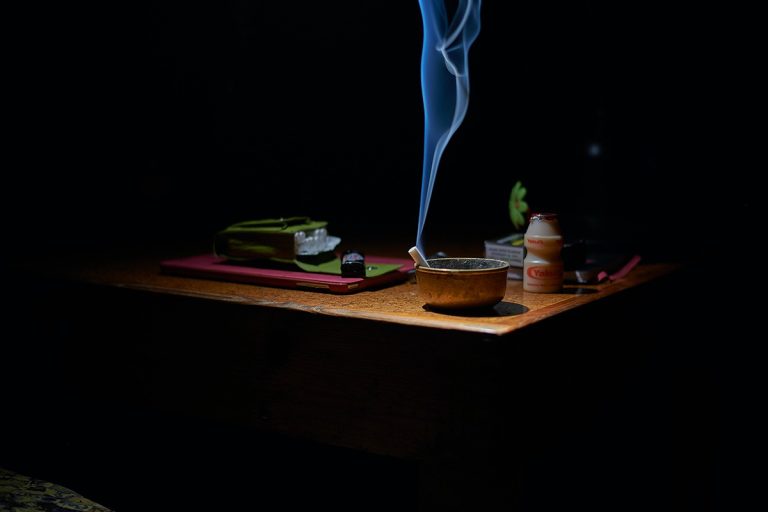
The ashtray is a very old smoking accessory. Formerly associated with the high social rank of its owner, it became widely popular with the arrival of cigarettes. Since then, offered at very low prices and made from inexpensive materials, the ashtray is within everyone’s reach. However, vintage ashtrays are making a comeback. Shed light on this essential accessory.

The vintage ashtray, much more than a simple ashtray: a collector’s item

Many amateurs will attest to this, ashtrays are objects of great beauty. Vintage models are very popular with collectors, but also smokers. A bygone and sometimes mystical era emanates from them. Their often highly sought-after and unique design makes them a highly coveted item. Having become decorative objects in their own right, old ashtrays radiate a touch of the past in modern environments.

Indeed, in addition to the very practical side of ashtrays, they also become decorative objects. Vintage is a trend that is making a comeback in fashion, interior decoration, cars, but also smoking accessories. Immerse yourself in ancient times and imagine yourself smoking in the 1920s with bronze or carved wood ashtrays.

What are the types of vintage ashtrays?

The list of ashtrays would be very long. This is why we will focus on the most well-known models. Thus, the metal and glass standing ashtray is reminiscent of the 60s. It is also available in various materials, making it either discreet or very flashy. This model is particularly appreciated by smokers for its practical and very aesthetic side. Old ball-shaped ashtrays are also very sought after for their prestigious side. The same goes for stackable ashtrays which combine practicality and space saving.

Certain models of copper or metal ashtrays also appeal to connoisseurs, because their irregularities often reflect great age and artisanal manufacturing. How can we not close this article on the famous advertising ashtrays, which, although more recent, have also become real collector’s items depending on the brand, but also the model and the year of publication.

Malta approves 3 new Cannabis Clubs and holds first harm reduction training sessions

Malta’s Responsible Cannabis Use Authority (CURA) has issued three new licenses to Cannabis Harm Reduction Associations (CHRAs). With a total of five Cannabis Clubs now approved, Sprawt, Northern Lights and NEGE join KDD Society and Ta’ Zelli licensed in early November.

According to Maltese rules governing Cannabis Clubs, only associations listed on the CURA website can cultivate and distribute cannabis to their members. Membership is limited to residents of Malta aged over 18; a copy of the identity card must be provided to the association as proof of age and address.

RDR Training for Cannabis Clubs

CURA also announced the first risk reduction training for licensed CHRAs and CHRAs in progress. The training, held on November 28 and 29, 2023, provided participants with a clear understanding of harm reduction practices and the essential role that CHRAs play in promoting responsible cannabis use.

Tom Decorte of Ghent University and Karen Mamo of CURA were among the speakers who delved into the historical and operational aspects of a risk and damage reduction approach as reported LovinMalta. Speakers highlighted the complex relationship between public health and the regulation of non-medical use of cannabis, emphasizing the need for tools and attention tailored to different social groups of cannabis users.

Drawing on international experiences in Belgium, Spain, the United States and Uruguay, the speakers highlighted the importance of maintaining the “social” aspect of ACHR as a protective factor against the potential risks associated with cannabis consumption.

Mr. Leonid McKay, President of CURA, spoke about the critical role ACHR will play in the coming months as active agents of positive change. He welcomed the commitment of Cannabis Clubs to promote risk and harm reduction approaches and to support CURA in evidence-based research protocols and education campaigns on responsible use cannabis.

The two-day program also addressed crucial operational aspects of ACHRs and the importance of data collection for research purposes, paving the way for informed decision-making and future advancements in cannabis regulation on the island of Malta.

Ohio Republican Senators Try to ‘Eviscerate’ Cannabis Legalization 3 Days Before Launch

The recent approval by the citizens of Ohio of theIssue 2a ballot measure legalizing cannabis for adults, is facing significant attempts at amendments, with Senate Republicans proposing sweeping changes just days before the law is scheduled to take effect Dec. 7.

The proposed revisions include banning home cultivation, increasing tax rates and reshuffling the distribution of tax revenues, which has sparked controversy and criticism from various quarters.

A regulation “emptied of its substance”

According to the Associated Press, Republicans in the Ohio Senate are seeking to ban home growing, in stark contrast to voter-approved provisions that allow individuals to grow up to six plants per household. Tom Haren, spokesperson for the Issue 2 campaign, Regulate Marijuana Like Alcohol (Regulate Marijuana Like Alcohol), criticizes this initiative: “Some members of the Ohio Senate propose to gut the most important provisions of Issue 2, including home cultivation and fairness social”.

The Senate’s proposed changes also include an increase in the tax rate on cannabis products from 10% to 15%, with cultivators taxed at the same rate. Additionally, the distribution of tax revenue would shift from support for local governments and social equity programs to general state funding, law enforcement training, drug treatment, and health training. safe driving. Senator Rob McColley justifies this measure by the desire to prevent revenues from mainly benefiting the cannabis industry.

Ohio Senate amendments expand possession limits, reducing the amount of cannabis an adult can legally possess. Additionally, legal THC levels for cannabis plants and extracts would be lowered, impacting the potency of cannabis products. State Sen. Bill DeMora, a Democrat, is critical of the changes, saying they go against the intent of voters who supported Issue 2.

The proposed changes emphasize efforts to protect children from exposure to marijuana, including child-safe packaging, restrictions on product appearance and banning advertising featuring scene of attractive characters for children. Public consumption rules are also addressed, allowing public consumption of non-smoking products, while smoking or vaping in public spaces would be restricted.

The amendments give employers the power to set rules for their employees’ cannabis use, allowing them to be fired if they fail to follow those rules. Scott Milburn, spokesperson for the Campaign against Issue 2, Protect Ohio Workers and Familiesargues that these changes make the measure “less dangerous for Ohioans and less selfish for the industry.”

As Ohio prepares to become the 24th US state to legalize recreational cannabis, the legislative changes proposed by Senate Republicans deviate from voters’ initial intent. The fate of these amendments remains uncertain, pending approval by the Senate, the House of Representatives and Governor Mike DeWine.

Celadon Pharmaceuticals launches innovative medical cannabis trial in UK

In 2018, the United Kingdom legalized medical cannabis. Despite this step, the path to accessibility has been strewn with pitfalls. Various reports have highlighted the shortcomings of the UK’s medical cannabis program and revealed a lack of clinical studies, limited availability by the National Health Service (NHS) and a cautious stance, if not a lack of training, of cannabis professionals. health.

The private initiative for British patients

In response to this lack of government initiative, Celadon Pharmaceuticals, a British company which supplies private clinics legally authorized to prescribe cannabis, launched a clinical trial on 5,000 patients suffering from chronic pain. Not only is this trial the first of its kind in the UK, but it also aims to generate a comprehensive body of data to support the prescribing of cannabis-based medicines, which could lead to their reimbursement by the NHS and insurance companies.

The approval follows a preliminary study involving 500 patients, which showed cannabis reduced the need for opioid painkillers and improved sleep.

Last summer, the Medicines and Healthcare products Regulatory Agency (MHRA) and the NHS Research Ethics Committee both approved Celadon’s larger clinical trial .

“This clinical trial is believed to be the only one of its kind in the UK and is designed to create a body of data that will support prescribing cannabis medicines by doctors and ultimately enable potential reimbursement by the NHS and insurance companies,” the company wrote in a press release this summer.

“It also allows GPs to prescribe the drug to patients, in addition to specialist doctors, and for organizations such as charities to advertise recruitment for the trial. Celadon believes that this is a major step forward allowing much wider access to patients, which will ultimately lead to the opening of the UK market for cannabis-based medicines.”

Still complicated access to medical cannabis

The NHS remains a focal point in the current debate over the accessibility of medical cannabis. The 2018 law change, preceding clear clinical evidence, resulted in what NHS consultant Dr Alan Fayaz calls a “bizarre two-tier system” among Sky News. This system disadvantages both NHS and private sector patients, as evidenced by the financial pressure faced by people paying a substantial monthly fee for medical cannabis treatment.

Faced with the difficulty of accessing medical cannabis, many activists, in particular parents who defend their children’s right to medical cannabis, have played an essential role. Hannah Deacon, Emma Appleby and Karen Gray campaigned for wider acceptance and a better quality of life for patients. However, despite compelling evidence of the positive impact of medical cannabis, British doctors, including Dr. Alan Fayaz, remain cautious, citing skepticism that persists with opioid medications after the opioid epidemic.